What Is Carpet?
Carpet is a composite textile. It is engineered, not just assembled. Carpet is a soft floor covering. But carpets are not just floor coverings. In many cases, they represent a combination of textile engineering, surface design, and functional performance. Because they cover a substantial area of the house, their design, color, and texture are of considerable importance. The word carpet is often traced ultimately to the Latin word carpere, meaning “to pluck” or “to card wool.” Because carpets were originally made mainly from wool, the term was historically appropriate; today, however, carpets are produced from both natural and synthetic fibres. Carpets have long been valued as important and elegant floor coverings. Besides fulfilling aesthetic needs, carpets and rugs also serve a number of practical functions. They provide warmth and comfort underfoot, soften and muffle sound more effectively than most other surface materials, and offer better slip resistance than highly polished floors. At the same time, they can require considerable maintenance, as they tend to collect dirt, dust, and allergens, and some materials may be vulnerable to insects or moisture-related damage if poorly maintained.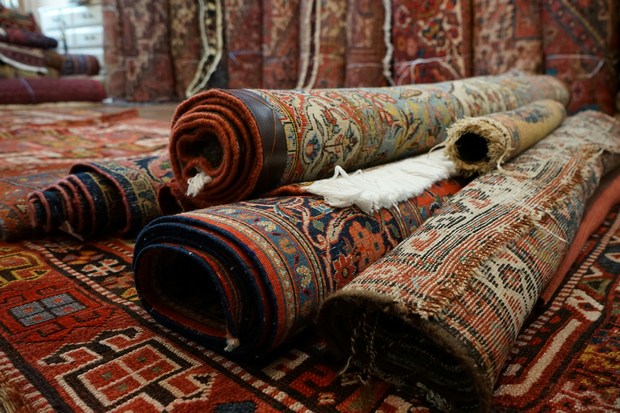
In this article, I will explain carpet types, textures, and construction techniques, and examine how structural differences affect durability, appearance, and service behaviour.
Carpet Construction Methods
Carpet is constructed in many ways, including tufting, weaving, needle punching, flocking, and knitting.
a) Tufted Carpet
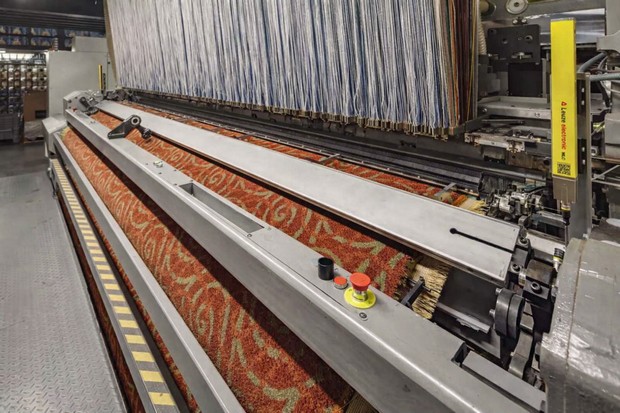
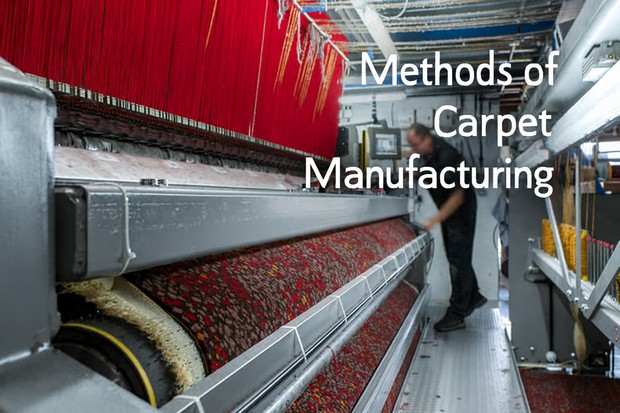
The vast majority of carpet produced today is made by the tufting process. This procedure involves sewing or punching face-pile yarns into a backing by means of a special machine equipped with numerous needles. The tufts are inserted lengthwise into a primary backing. In finer carpets, the tufts are placed closer together, giving the finished product a denser quality and appearance. The tufts are then set in place with the use of a latex or other polymer-based adhesive, and a secondary backing is laminated to the carpet. This final layer gives the carpet additional strength and dimensional stability. The primary backing used in tufted carpet is usually made of polypropylene, although polyester is also used in some products. The secondary backing is likewise commonly made of polypropylene, with jute or foam used to a lesser extent.
b) Woven Carpet
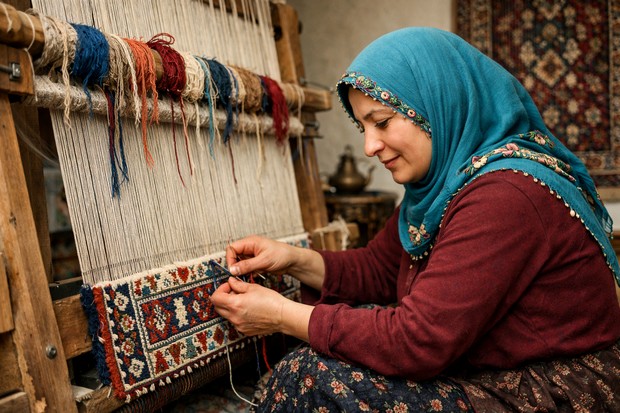
Woven carpet has been available for many centuries. Before the invention of machines, these products were handwoven. The basic process remains similar, although different types of weaves are used to achieve specific appearances and performance qualities. To produce a woven carpet, two sets of yarns are interlaced: the pile yarns, commonly referred to as face yarns, and the backing yarns, which together form a single fabric. The three most common types of woven carpet are velvet, Wilton, and Axminster. Axminster is a machine-woven carpet that allows a wide range of colors and intricate patterns. Wilton carpet is woven in a variety of patterns and textures, but with a more limited number of colors in the pattern. Velvet carpet features a level cut-pile surface and is made from yarns that have very little twist.
c) Needle-Punched Carpet
Needle-punched carpet is made by assembling fiber webs that are compacted and interlocked by means of barbed felting needles. An advantage of this type of construction is that the carpet can be printed, flocked, and embossed, the last of these giving it textural effects. The angling of the needles and the mixing of fiber deniers can produce textures such as corduroy. After the carpet has been formed, a weather-resistant latex or similar backing is applied. This process is relatively low-cost and is used primarily for indoor/outdoor and light commercial carpet.
You may also like: Complete Guide to Carpet Construction Methods
d) Flocked Carpet
Few carpets are made by the flocking process. The appearance resembles velour and produces a resilient, crush-resistant surface. In this method, short fibers are applied to an adhesive-coated backing, and the material is usually finished with a secondary backing to add body and dimensional stability. This type of carpet is used mainly in limited or specialty applications, including some bathroom products.
e) Knitted Carpet
Knitted carpet is produced on a knitting machine and, when finished, is backed with a coat of latex and a secondary backing material to provide stability and strength. It is used in only a small percentage of carpet production.
f) Sculptured Carpet
A variation in pile construction, sculpturing produces a multilevel carpet surface. Two sets of loops are formed; the taller ones are sheared and the shorter ones remain uncut to create a sculptured pattern. This textured carpet, often with variegated coloring, has the added advantage of helping to camouflage soil.
Common Carpet Textures
A range of carpet textures is available to suit personal preference, décor, and durability requirements. These textures extend from smooth, plush surfaces to rougher, more heavily textured finishes. The variations depend largely on the size and twist of the yarns. Some common carpet types by texture include:
i) Level Loop Carpet
In level loop pile, loops of the same height produce a pebbled surface appearance. For commercial use, the closely packed loops make cleaning easier and improve durability. This carpet is often multicolored and is commonly made from polypropylene (olefin) or nylon fibers. It has a casual appearance, but it is extremely durable and is well suited to family rooms, basements, and other high-use areas.
ii) Multi-Level Loop Carpet
Unlike level loop carpet, multi-level loop carpet is produced with loops of different heights. This texture hides soiling and traffic patterns extremely well. It is generally multicolored, very durable, and available in many distinctive designs and patterns. Its casual appearance makes it a good choice for family rooms, basements, and similar spaces.
iii) Cut Pile Carpet
Unlike level loop and multi-level loop carpet, the loops in cut-pile carpet are cut. Velvet and saxony carpets both have level surfaces, but they differ in yarn twist. Velvet is made with slightly twisted yarns, producing a smooth surface, whereas saxony uses more tightly twisted yarns. One characteristic of cut-pile velvet is the visibility of footprints and vacuum marks. This effect is sometimes regarded as part of the carpet’s visual richness, but it should be avoided where a more uniform appearance is desired.
iv) Frieze Carpet
A rough, nubby appearance is characteristic of frieze carpet. It is a cut-pile carpet made from very tightly twisted yarns, which give the surface a highly textured appearance. One of its main advantages is durability. Frieze is extremely hard-wearing, often costs more than standard textured cut-pile carpets, and performs especially well in active areas of the home.
v) Random-Sheared Carpet
In the random-sheared process, only the higher loops are sheared, producing a high-low carpet surface. The sheared areas reflect light differently from the unsheared areas and therefore may appear brighter and lighter in color.
Popular Carpet Types and Styles
Numerous carpet types are produced. Some take their names from their construction techniques, while others are associated with their place of origin, visual character, or intended use. In addition to those already discussed, common classifications include Berber, saxony, indoor/outdoor, and sisal.
1. Berber Carpet
Originally associated with the weaving traditions of North Africa, Berber carpet was first produced mainly in off-white tones and was intended to resemble the natural, flecked look of traditional Berber textiles. Modern Berber carpets are available in a wide range of colors. They typically use looped yarns and may have either a level or multi-level surface. Because of their casual appearance and durability, they are commonly used in less formal settings.
2. Saxony Carpet
Saxony carpets are dense cut-pile carpets with well-defined tufts. Those with the smoothest and densest surfaces are also known as plushes. Because they convey a feeling of elegance, traditional saxony carpets are generally used in more formal environments. Textured saxony variants, however, have a more casual appearance and are better at concealing vacuum marks and footprints, making them suitable for active areas of the home.
3. Indoor/Outdoor Carpet
As the name suggests, indoor/outdoor carpet is designed for both interior and exterior use. It is highly durable and able to withstand outdoor exposure while also meeting the demands of kitchens, basements, and other high-traffic areas. It is commonly made from moisture-resistant synthetic fibers and generally uses a rubber, latex, or other weather-resistant backing.
4. Sisal Carpet
Sisal carpet is made from a natural plant fiber and is usually woven. It is available in many colors and is a frequent choice for less formal environments.
Conclusion
Carpet remains a versatile floor covering that provides warmth, comfort, sound absorption, and safety while meeting aesthetic needs. Understanding carpet construction methods, textures, and popular types helps in selecting the right carpet for different settings. Whether for formal interiors, family spaces, or outdoor areas, the best carpet depends on function, maintenance, and visual preference.
References
[1] Babu, V. R., & Sundaresan, S. (2018). Home furnishing. CRC Press.
[2] Kadolph, S.J. (2014). Textiles. Pearson.
[3] Riggs, J.R. (2008). Materials and Components of Interior Architecture. Pearson.
[4] Nielson, K.J. & Taylor, D.A. (2011). Interiors: An Introduction. McGraw-Hill.
[5] Godsey, L. (2017). Interior Design Materials and Specifications. Fairchild Books.
[6] Binggeli, C. (2014). Materials for Interior Environments. Wiley.
[7] Cohen, A.C. & Johnson, I. (2016). J.J. Pizzuto’s Fabric Science. Fairchild Books.