Introduction
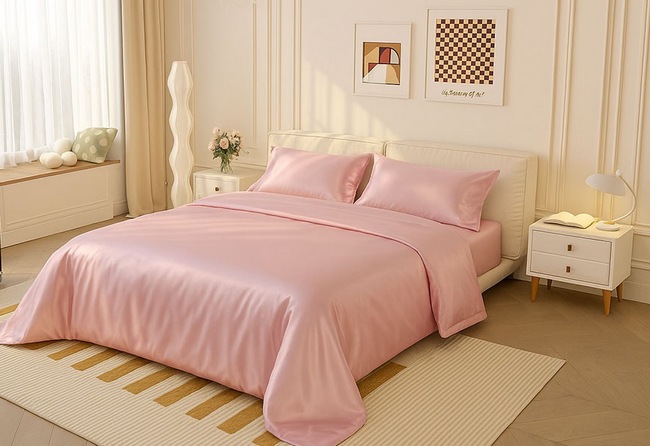
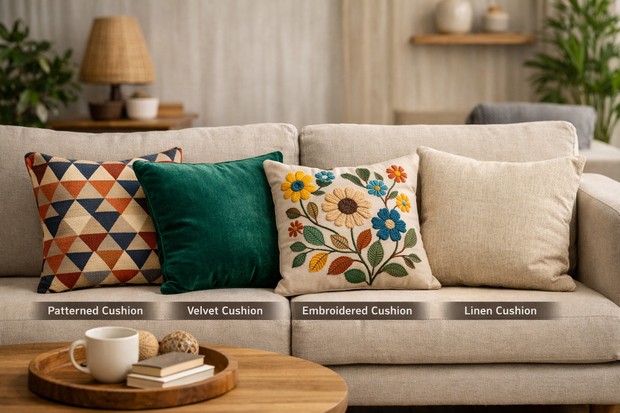
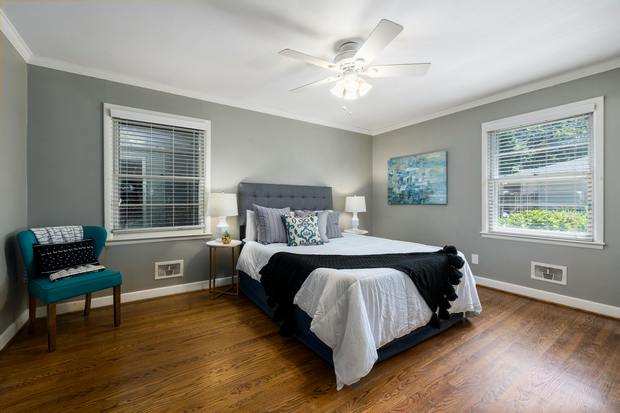
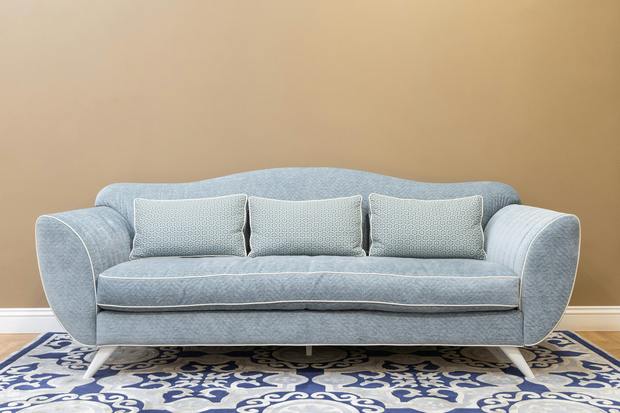
Fabrics play an important role in controlling the interior environment of a modern home. The fabrics being the prime contributors provide the texture, colour, character and scale, and often replace anything that is missing in the architecture, sometimes compensating for spatial or structural limitations that architecture alone cannot resolve. Fabric is the interior designer’s pharmacy, rich with cures for almost every complaint, a metaphor that appears to capture the material’s unusual versatility in domestic interiors.
Fabric protects interior colour from fading and furnishing from deterioration by sunlight exposure, a function that becomes particularly relevant in sun-exposed living spaces. It protects from sun glare and lends protection from night blackness at evening and from the too early sun in the morning. Fabrics lend privacy to any degree that is normally needed, from light visual screening to near complete enclosure depending on fabric density and construction. It shields people from draughts or heat and reduces heat loss in cold winter. It can make summer room cooler and reduce the overall air conditioning load in the summer, which may indirectly contribute to household energy efficiency. Fabric increases liveability and work ability of a small place, reduce noise, make music and even speech richer and more resonant. Of all acoustic materials, sound engineers find no material that is truly equal, at least within the range of flexible interior surfaces typically available for domestic use. Fabrics used for home textiles must have properties such as, good light fastness, good resistance to seam slippage, good resistance to pilling, good resistance to snagging, stain repellency, good fastness to sponging, flame retardency, and long-term appearance retention, since these characteristics determine both durability and aesthetic stability during prolonged household use, an aspect that is increasingly examined in research on sustainable fibers in home textiles.
Application of Conventional Fibers in Home Textiles
Natural fibres, like cotton, wool, linen, etc., are dominant in the home textiles sector today, largely because of their familiarity, comfort characteristics, and long history of domestic use. In recent days, some of the man-made fibres are also used that include polyester, rayon, nylon, polypropylene, teflon, recron, acrylic, etc as well, reflecting gradual diversification in fibre selection as performance expectations rise. Due to the qualities like strength, warmth, abrasion resistance and resistance to moths and mildew, polyester dominates the carpet and curtain segments widely, especially where durability and dimensional stability are demanded over long service periods, although growing environmental concerns are gradually shifting attention toward sustainable fibers in home textiles.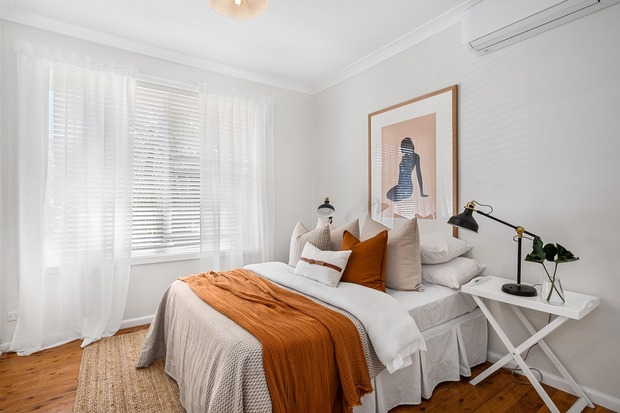
The share of cotton and man-made fibres in the total fibre consumed in production of home textiles account for around about 38% and 37%, respectively. About 6% of home textiles are made of wool and animal hairs globally. Flax accounted for only around 0.1% of all fibres consumed in producing home textiles, a surprisingly small share considering its historic association with household linen. Information of around 20% of the fibre usage was unidentifiable as their general use was either not classified or remained unspecified in the fibre categories earlier, which may indicate limitations in earlier industry reporting systems. Blends of natural and synthetic fibres have also attracted attention of home textile manufacturers to enhance the fabric performance significantly, since blending often balances comfort attributes with mechanical durability.
Application of New and Sustainable Fibers in Home Textiles
Environmental threats like global warming and climate change are accelerating the cause and awareness of new sustainable eco-friendly fibres, pushing both researchers and manufacturers to reconsider conventional raw materials. Even though such fibres have not attained the commercial success despite its existence in the market for some time, they have contributed immensely to the concept of sustainability and decorative ornamentation, particularly within niche or experimental product ranges. The possibility of application of some environment-friendly fibres such as solar protection fibre, coir, jute, water lily fibre, silk, milk fibre, wood fibres, sea weed fibres, soybean fibre, bamboo fibre, and hemp in different home textile products is of growing interest to the consumers, suggesting a slow but noticeable shift in consumer awareness regarding environmental impact and expanding research on sustainable fibers in home textiles.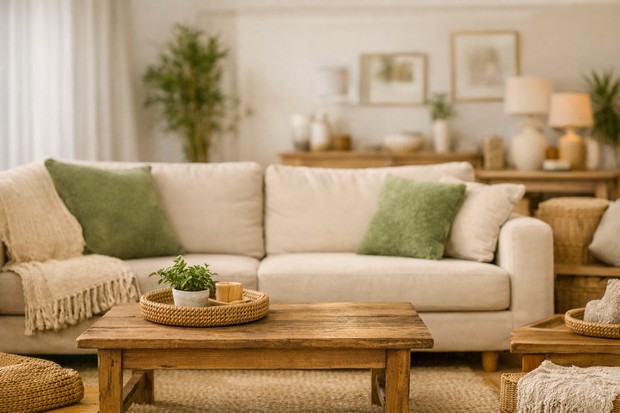
Use of Solar Protection Fiber
The fibre is of botanic origin, made from the natural raw material wood and is, therefore, fully biodegradable naturally, which may position it as an alternative to petroleum-derived synthetic fibres in certain furnishing contexts and broader initiatives focused on sustainable fibers in home textiles. The fibre company Lenzing has developed the new fibre with solar protection on a modified TENCEL basis. The new fibre is effective due to permanent pigment integration process, meaning the protective functionality is embedded within the fibre rather than applied as a temporary surface finish. It provides home textile items a reliable long-term protection from solar radiation. A sunscreen level of up to about 110 SPF can be reached in this fibre, a level that appears unusually high for textile materials. The fibre is the perfect eco-friendly alternative to polyester fibres and conventionally finished fabrics with solar protection treatments, although practical adoption may still depend on cost and large-scale availability.
Use of Golden Natural Fibres (Coir and Jute)
Coir is a versatile natural fibre extracted from mesocarp tissue or husk of the coconut fruit mainly. It is traditionally been used in doormats, mattresses and other upholstery products widely, particularly in tropical regions where coconut cultivation is common. Pads of curled down coir fibre, made by needle-felting are shaped and cut to fill mattresses properly. A major proportion of brown coir pads are sprayed with rubber latex, which bonds the fibres together to make rubberised coir, which is used as durable upholstery padding. Coir, being an organic product, is biodegradable and eco-friendly material, a property increasingly valued in contemporary material selection and in discussions surrounding sustainable fibers in home textiles. This is a major factor for its popularity, when compared to its modern competitors like PVC and U foam and synthetic products used in the home textile industry today.
Jute is the cheapest and strongest amongst all natural fibres with many inherent properties like luster, high tensile strength, low extensibility, high breathability, moderate heat and fire resistance naturally. It is biodegradable and eco-friendly and the expired fibres can be recycled more than once again, which extends its lifecycle beyond a single product application. Advantages of jute include good insulating and anti-static properties, as well as having low thermal conductivity and moderately moderate moisture regain. Jute has been extensively used in the manufacture of carpet backing and mats traditionally, and continues to remain relevant in floor covering structures even today.
Use of Water Lily Fibre
Studies undertaken by the Philippine R&D sector have shown that water lily fibres are favourable towards use in curtains, upholstery, table runners and table napkins products, though available documentation remains somewhat limited. Not much work has been reported about characterisation of this natural fibre and its application has not been explored on commercial scale in home textiles yet. However, such fibre holds promise as a potential future eco-friendly fibre to be used in home textile products, provided further mechanical and durability studies support its practicality and its potential role within sustainable fibers in home textiles.
Use of Silk
Mulberry filature silk is not the immediate choice for home textiles generally, largely because of cost considerations and delicate handling requirements. Dupions and matka silks in mulberry variety are the chief preferences for furnishings today. While matka is a hand spun variety produced from silk waste but using such yarn in both warp and weft a thicker variety of fabric is produced usually, which makes it more suitable for upholstery and drapery than finer apparel silks. Dupion is the silk yarn that is produced by the reeling of double cocoons together. Although the yarn has many defects, they are made use in the construction of novelty fabrics often, since the irregular texture itself becomes part of the aesthetic appeal.
An array of non-mulberry silks is also left unexplored in home textile sector largely, despite their relatively stronger and more textured character. Tasar and eri are the two major varieties of non-mulberry silks most suited for home furnishings applications. Tasar is a wild variety of silk and different types of yarn such as thigh reeled, machine reeled, tram, and organzine are produced out of this non-mulberry silk commonly. However, the filament of the cocoons in eri silk is neither continuing like mulberry silk nor it is even or uniform in nature completely. It is available in white and brick red colour shades, which may influence its decorative applications in furnishings and its niche contribution to sustainable fibers in home textiles.
Application of Milk Fiber
Milk fibre from cow’s milk has attracted attention in recent textile years, particularly in discussions around bio-based regenerated fibres and research into sustainable fibers in home textiles. Milk is first dewatered and then skimmed carefully. New bio-engineering technique is then applied to make a protein spinning fluid solution. This fluid is suitable for wet spinning process through which the final high grade textile fibre is made successfully, a process somewhat comparable to other regenerated protein fibres developed earlier.
Milk fibre regulates air quality when mixed with cotton or silk fibres. It also provides comfort, durability and elegance making it perfect for home furnishings applications, although large-scale use still appears relatively limited. Milk fibres are soft, brilliant, anti-bacterial, absorbent and humectant naturally. The milk protein contains a natural lubricant that keeps the skin moisturised and smooth and the absorbing power of the fibre takes dampness away from the body, stabilising its temperature effectively. The fibre has great potential for household and spa towels, bathrobes, bed linen and bedspreads products, especially where skin comfort is a primary concern.
Application of Wood Fibers
Wood fibres from cultivated timber are harvested according to ecological criteria and the yarn produced is not only extremely smooth but also wears well in hot or cool climates conditions, suggesting broad suitability across different interior environments and aligning with the broader movement toward sustainable fibers in home textiles. It has the coziness of silk, the feel of cashmere and the freshness of linen fabric, a comparison often used to describe its tactile qualities rather than a strict material equivalence. The fact that it absorbs water so readily and then releases the dampness into the air makes it useful as light, silken toweling materials, where moisture management becomes a practical advantage.
Application of Sea Weed Fibers
SeaCell is a sustainable technical fibre made from cellulose consisting of renewable raw materials like sea weed and releases vitamins and minerals to the skin, especially when in contact with wet skin surface, a property frequently associated with wellness-oriented textile products and innovations in sustainable fibers in home textiles. So, it is used as a wellness bathrobe with additional advantages comfort. Besides, the fibre has an anti-bacterial effect (because of silver), ideal for bed, table/kitchen and bath linen products, although the long-term durability of such functional finishes may still warrant further evaluation.
Application of Soybean Fiber in Home Textiles
The new soybean protein fibre was invented recently and is soft, smooth and light in weight, emerging as another example of regenerated protein-based textiles and a notable development within sustainable fibers in home textiles. It has cashmere feel but is smoother in texture. The moisture absorption of soybean fibre is similar to that of cotton, but its ventilation is superior comparatively, which may improve comfort in bedding and upholstery fabrics.
It also has a silky luster with perfect drape and elegance appearance, qualities often valued in decorative furnishings. The anti-ultraviolet property of soybean fibre is better than cotton, viscose and silk fibres. The amino acid in the fibre can activate the collagen protein in the skin and resist tickling and evaporation from the skin surface, claims that are frequently highlighted in functional textile marketing. It is ideal for use in beds and baths sector products.
Application of Bamboo Fiber
Bamboo fibre is a regenerated cellulosic fibre produced from bamboo plants. Starchy pulp is produced from bamboo stems and leaves through a process of alkaline hydrolysis and multi-phase bleaching processes. Further chemical processes produce bamboo fibre finally, placing it technically among regenerated cellulose fibres similar to viscose and frequently discussed in studies of sustainable fibers in home textiles. It is softer than cotton, with a texture similar to a blend of cashmere and silk fibres.
Because the cross-section of the fibre is filled with various micro-gaps and micro-holes, it has much better moisture absorption and ventilation capacity. Moisture absorbency is twice than that of cotton with extraordinary soil release properties, a feature that may assist in easier laundering of household fabrics. A characteristic of bamboo fibre is such that it absorbs moisture due to micro-gaps and static electricity is hard to be generated easily.
Bamboo fibre does not contain free electron and thus it is antistatic, so it fits very well next to the human skin but not clinging it closely. It flows lightly over the body surface. Bamboo fibre towel has excellent natural functions qualities. It is both anti-bacterial and deodorising in nature naturally, attributes frequently cited in discussions of hygienic textiles.
Bamboo can thrive naturally without the use of pesticides as it is seldom eaten by pests or infected by pathogen organisms, which may reduce the need for chemical agricultural inputs. Scientists have found that bamboo contains a unique anti-bacteria and bacteriostasis bio-agent named ‘bamboo kun’ compound. This substance is maintained in the finished bamboo fabric as it is bound tightly to the bamboo cellulose molecule structure.
Bacteria will propagate rapidly in cotton and other fibres obtained from wood pulp, forming bad smell and even cause early degradation of the fibre in some cases sometimes. But it is killed almost 75% after 24 hours in bamboo fibre materials. Product of bamboo fibre is eco-friendly and bio-degradable naturally.
Due to its anti-bacterial property, the bamboo fibre has wide prospects in the field of hygiene home textile items such as mattresses, sanitary towel and table napkins products. It is also most preferred fibre for decorating products like curtain, television cover, sofa slipcover and also for bathroom products like towels and bathrobes used in spas and hotels, as well as among the household consumers widely.
Application of Hemp Fiber
The hemp is a bast fibre obtained from the plant Cannabis Sativa species. The fibre conducts heat, dyes well, resists mildew, blocks ultraviolet light and has inherent anti-bacterial properties naturally, characteristics that make it technically suitable for durable household textiles and position hemp among promising sustainable fibers in home textiles. The fibre is coarse-like coir and mainly used for table and floor products items. It has not become the choice of conventional manufacturers of home textiles widely, possibly due to processing challenges and surface roughness. Hemp fibre can be used to produce home textile items like coasters, table mats, runners, floor mats and other furnishings products.
Application of Cork Fiber
The precious and versatile vegetable tissue known as cork is the outer bark of the cork oak tree species. It is a unique biological material with superior qualities naturally, particularly valued in insulation and protective surface applications and increasingly explored within sustainable fibers in home textiles. Cork fibre is very light, yet impermeable to liquids and gases, elastic and compressible, an excellent insulator, fireproof, and resistant to abrasion damage. Above all, it is completely natural, renewable, and recyclable material.
Villani Leonello, Italy, is a pioneer company in using cork as a fabric material. Cork fabric is made of laminated natural cork coupled on textile substrate. This laminated cork may be coupled on viscose/polyester fabric for furnishing and upholstery applications widely, forming a composite material rather than a conventional spun fibre textile. Some of the unique features of natural cork laminated products are innovative texture, eco-friendly, wear resistance, low degradation to acid attacks, almost immune to micro-organisms and shows a slow fire combustion process naturally.
Cork fibre is also used for wall covering by the use of a laminated natural cork coupled on nonwoven fabric materials, where its insulating and decorative qualities can both be utilized in interior design applications.
Conclusion
The growing demand for environmentally responsible materials is gradually reshaping the home textile sector. While conventional fibres such as cotton and polyester remain widely used, emerging alternatives including bamboo, hemp, soybean, cork and milk fibres appear to offer promising ecological and functional advantages. These materials may contribute to improved sustainability, comfort and durability in household fabrics. Continued research, technological refinement and market acceptance will likely determine how widely these fibres are adopted in future home textile applications, strengthening the global shift toward sustainable fibers in home textiles.
References
[1] Das, S. (2010). Performance of home textiles. In Woodhead Publishing Limited eBooks. https://doi.org/10.1533/9780857094032
[2] Kadolph, S. J., & Langford, A. L. (2014). Textiles (11th ed.). Pearson Education.
[3] Sinclair, R. (2014). Textiles and Fashion: Materials, Design and Technology. Woodhead Publishing.
[4] Blackstone, E. A., & Whittam, M. A. (2017). Home Textiles: Principles and Practices. Fairchild Books.
[5] Erdal, D., & Sharma, A. (2018). Handbook of Textile and Industrial Technical Terms. CRC Press.
[6] Muthu, S. S. (Ed.). (2020). Roadmap to Sustainable Textiles and Clothing. Springer Nature.
[7] Gupta, B. (2019). Applications of Natural Fibres in Textiles. Springer Nature.