What is Kitchen Furnishings?
The kitchen is one of the most important rooms in the home, not only because it is used for daily cooking, but because it often works as a casual gathering space where everyday family activities take place. In any practical kitchen design guide, this dual role of function and social interaction is considered essential. High-quality modular kitchens, design features that add richness such as crown moldings, modern appliances and stylish handles and fixtures are the highlights of today’s kitchen, showing a wider change in home design where appearance and efficiency come together instead of staying separate. Kitchen décor includes many parts such as kitchen shape and layout, storage space and color schemes that need attention, since small mistakes in size or movement space may affect long-term use.
This guide explains the key elements of kitchen design in a clear and practical way. As a complete kitchen design guide, it covers layout types, storage solutions, furniture, accessories, cabinets, and both functional and decorative lighting. The goal is to help create a kitchen that is comfortable, efficient, and visually balanced.
Practical Guide for Modern Kitchen Design
Traditional kitchen décor uses oak wood, a material known for strength and visible grain patterns that show a classic style. Fine-grained woods such as cherry and maple are used for modern kitchen décor, often chosen for their smooth surface and lighter color. Mixing wood finishes and different countertop textures looks attractive and adds depth to the room, though too much variation may create visual mess if not controlled carefully. A well-structured kitchen design guide usually recommends balance rather than excessive contrast.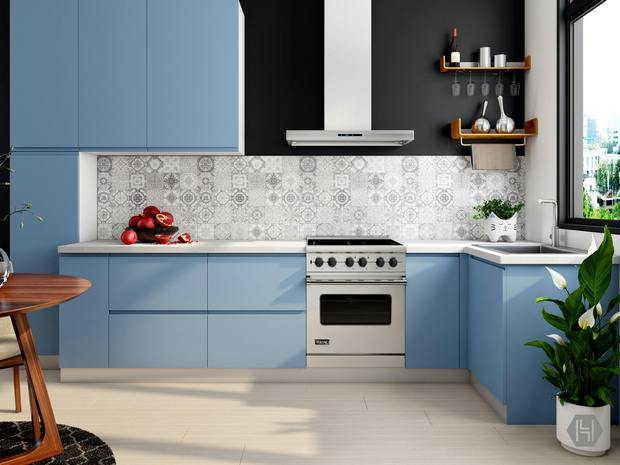
Kitchens can be designed as simple work areas or as open spaces that are part of dining rooms or living rooms, a choice that may show lifestyle, privacy needs, and cultural habits related to guests. The most common kitchen shape is the U-shape, as it allows the person to make best use of the “work triangle” of the space, focusing on easy movement between sink, stove, and refrigerator. Other popular shapes are L-shaped kitchens, galley kitchens and island kitchens, all frequently discussed in any detailed kitchen design guide.
Stainless steel appliances with pewter finish are widely used in kitchens because they resist rust and are easy to clean, while silver or gold dinnerware is used for grand dining and mostly kept for display rather than daily use. Glass cabinets to show your best china and wooden panels to cover the rest are popular, creating a balance between display and hidden storage.
Space should be kept for cooking range, ovens, dishwashers and sinks, with enough open area to allow safe movement and release of heat. Make sure that kitchen counters are strong, look good and are easy to clean. Granite, slate and marble slabs are common choices, and tile mosaics are also becoming popular to give a different look to the kitchen, although some stones may need regular sealing to avoid stains.
The kitchen needs a lot of storage space, including hidden storage, and you can combine rollout shelves, vertical tray dividers, pullouts and drawer inserts. Recycling bins and appliance cabinets are also needed, especially in small kitchens where neat appearance depends on hidden storage. Storage planning is often a central chapter in a practical kitchen design guide because it directly affects everyday comfort.
It is important to choose flooring material that matches the rest of the home, so movement between rooms feels smooth. Tile is popular, but it can feel cold if not heated underneath, and its hard surface may require a rug in areas where people stand for a long time, which brings concerns about slipping and cleaning.
Bold-colored kitchen flooring looks lively but can be costly. Neutral colors are traditional and more affordable, and they easily match changing décor styles over time. Recessed adjustable lights and decorative lighting that focus on the kitchen island or dining area can create a strong visual effect, especially when combined with general lighting to avoid harsh contrast.
Kitchen Furniture and Accessories
One of the easiest ways to add style to a kitchen is through furniture and accessories, since movable items allow changes without rebuilding. Suitable accessories and furniture can change the kitchen into a pleasant part of the home, though their size must match the available space to prevent crowding. The kitchen can be styled in a traditional way or designed as a modular or high-end kitchen, each choice involving different costs and upkeep needs.
From major decisions such as refrigerator placement and the type of counters and cabinets installed, to small details like knobs, handles and hinges, many factors must be considered when designing a kitchen. A thoughtful kitchen design guide pays attention to both structural planning and decorative details. The number, size and theme of accessories must match the décor style and available space, or the overall look may feel unbalanced.
After deciding wall color, refrigerator placement, counters and cabinets, group accessories by color, size or style and choose them according to proper scale and visual balance. Install the largest items first, keeping visual balance, correct eye level and proper distance from the cooking area, and then place the smaller items, a method that helps prevent overcrowding.
A wall clock is important in the kitchen so cooking can be finished on time. It also helps in checking cooking time, especially for recipes that need exact timing.
Designer range hoods not only look modern, but also remove smoke and steam, and their power should match the size of the cooking range.
Kitchen carts and worktables are useful for many tasks and can be moved or folded and kept under the counter after use, which is helpful for small homes with limited counter space.
Pot racks and baker’s racks are suitable for those who cook frequently, or for homes where cookware is displayed as part of the décor.
Covered trash cans are necessary in the kitchen to throw away bottles and boxes and to control smell.
Cabinet accessories, designer sinks, faucets, knobs and pulls give an elegant look to the kitchen, while also affecting how they feel during daily use.
Stackable stools and chairs can be used and then kept in a corner in a small kitchen, reducing blockage in walking areas.
Chopping blocks and countertops are necessary, and their height should match comfortable working levels to reduce body strain during cooking.
Stainless steel wall shelves and backsplash accessories are currently popular in kitchen décor, showing a liking for materials commonly seen in commercial kitchens.
Kitchen cabinet
The first thing that catches attention is the kitchen cabinet, often because it covers the largest wall area in the room. It is the most noticeable piece of furniture in the kitchen. It works as storage and also decorates the kitchen, with its finish and handles shaping the overall look. There are many types available, from simple wooden cabinets to modern modular ones. Measure the kitchen layout and choose the cabinet size carefully, keeping ceiling height and appliance placement in mind. Cabinet planning remains a key focus in any reliable kitchen design guide.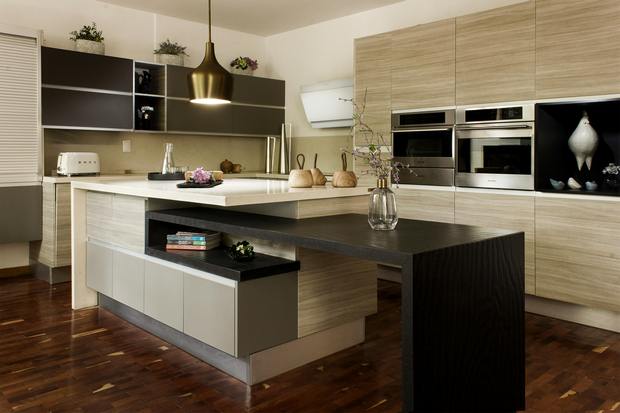
Kitchen lighting
Since people spend a lot of time in the kitchen, good lighting becomes one of the most important parts of the overall décor. It is important to make sure the lighting is enough but not too strong, as too much brightness can reduce clear vision.
Functional lighting
Functional lighting is used to complete tasks in the kitchen. It helps in finding items in cabinets and drawers and moving safely around the room, lowering the risk of accidents. Common types include fluorescent lights, recessed lights and low-voltage lights. Recessed lights are often used for task lighting, especially over the sink and stove, if placed correctly to reduce shadows. Lighting placement is another area often emphasized in a comprehensive kitchen design guide.
Decorative lighting
Decorative lighting fixtures are mainly used for decoration, to give a certain look to the kitchen or highlight specific areas. For example, they can highlight the family dining area. In some cases, such lighting can also help with kitchen tasks, such as when placed above an island where beauty and function meet. Wrought iron, colored glass, pewter and satin nickel lighting fixtures are popular, showing a liking for textured finishes instead of plain chrome.
Some Tips for Modern Kitchen Design Ideas for Stylish Homes
When choosing the number and type of lighting fixtures in the kitchen, consider the size of the room, as too many lights in a small area may cause visual and heat discomfort.
The main work areas in the kitchen, such as the sink, stove, countertop, island and areas above and below cabinets, should be well lit. Task lighting can be used to make sure light falls directly on work surfaces instead of behind the person.
While installing lighting fixtures, ensure that no shadows fall on areas where most cooking tasks are done, as shadows may reduce safety and efficiency.
Using dimmers for kitchen lights is helpful, as it allows adjustment of light brightness according to mood and natural daylight changes during the day.
Conclusion
A well-designed kitchen combines function with style. Good layout improves movement. Proper storage reduces clutter. Suitable materials increase durability. Thoughtful lighting supports both work and comfort.
Modern kitchen design is not only about appearance. It is about creating a space that supports daily activities while remaining pleasant and organized. With careful choices in layout, furniture, cabinets, and lighting, this kitchen design guide shows how a kitchen can truly become the most useful and welcoming room in the home.
References
[1] Babu, V. R., & Sundaresan, S. (2018). Home furnishing. CRC Press.
[2] NKBA (National Kitchen & Bath Association). (2013). Kitchen & Bath Residential Construction and Systems. Wiley.
[3] Mitton, M., & Nystuen, C. (2016). Residential Interior Design: A Guide to Planning Spaces (4th ed.). Wiley.
[4] Ching, F. D. K., & Binggeli, C. (2018). Interior Design Illustrated (4th ed.). Wiley.
[5] Karlen, M. (2012). Space Planning Basics (3rd ed.). Wiley.
[6] Ballast, D. K. (2013). Interior Design Reference Manual (6th ed.). Professional Publications, Inc.
[7] NKBA (National Kitchen & Bath Association). (2019). NKBA Kitchen and Bathroom Planning Guidelines with Access Standards. Wiley.