Introduction
Walk into a hotel room, a quiet bedroom, or a well-planned office and something feels right, though most people couldn’t tell you why. Often it comes down to the materials. Natural fibers in interior design do a kind of quiet, unglamorous work that synthetic alternatives still haven’t fully replaced. They show up in upholstery, bedding, wall coverings, carpets, insulation, tapestries. Anywhere touch, breathability, or fire behavior actually matters. They tend to age more naturally too, and when they’ve served their purpose, they’re generally far less of a problem to dispose of.
Why Choose Natural Fibers for Your Home
There are many interior applications for natural fibers as yarns, fabrics, and nonwovens, from tapestries, wall coverings, tablecloths, carpets, rugs, floor coverings, upholstery fabrics, bed sheets, window blinds, and curtains to towels and mattresses.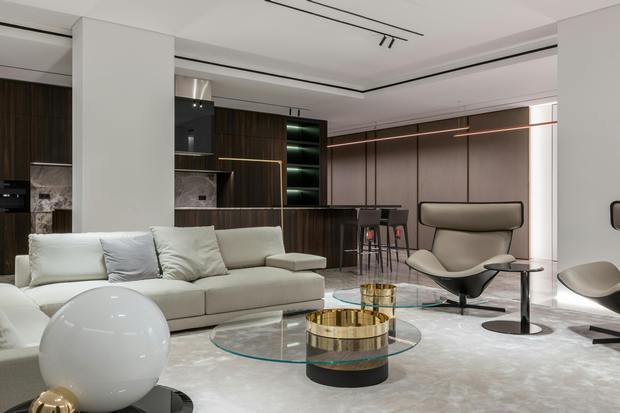
The role of natural fibers in interior design becomes clearer when the materials are grouped by use. These materials are generally more user-friendly for interiors than man-made fibers. They offer good comfort and can influence human physiology through direct contact with the skin and the air people breathe indoors. The skin and breathing system collect stimuli and send them on to the brain, so the indoor environment can create feelings of comfort or discomfort.
Health and Comfort Benefits
Recent research also points to their ability to correct humidity indoors, absorb excess UV radiation, and avoid some nanoparticle residues linked to chemical agents used in man-made fibers such as plasticizers, dyes, bleaching agents, and titanium dioxide. Some natural fibers are bacteriostatic and fungus-resistant, and they can be dyed with eco-friendly natural dyes.
Their main drawback is non-homogeneity, or uneven structure, and a tendency to biodeteriorate in extreme conditions. Even so, that same quality makes them easier to compost after use and helps reduce pollution from waste man-made fibers.
Fire Safety Advantages
Fire behavior is another reason natural fibers in interior design remain important. Fire Service rules specify that some textile products such as carpeting, curtains, and upholstery in commercial buildings must comply with flame-retardant regulations. Natural fibers generally have a lower heat release rate than man-made fibers and do not drip. The toxic gases released during a fire are less dangerous because oxygen is consumed quickly, so the burning time is shorter. Smoke emission values are also lower for natural fiber fabrics than for man-made fabrics. All of this keeps natural materials widely used in interiors and likely to remain part of future projects.
Best Upholstery Fabrics for Comfort and Safety
Choosing the Right Fabric Blend
When selecting a fabric for a specific use, the decision should involve not only appearance, but also fabric structure and composition. For furniture-covering fabrics, the best choice is often a blend of synthetic fibers, such as polyamide or polyester, with natural fibers such as wool, flax, and silk. The synthetic part provides abrasion resistance and tensile strength, while the natural part contributes permeability and moisture absorption, both of which are missing in most synthetic fabrics.
New varieties of covering fabrics also use natural fibers such as wool, flax, and mercerized cotton. The result is soft tweeds and color-woven fabrics with a higher-end feel. The range of natural and cellulose-derived upholstery fabrics, especially for public buildings, includes wool, cotton, flax, viscose, and their blends. These are often treated with flame-retardant systems that resist washing, such as Pyrovatex, Proban, and Zirpro.
Why Wool is Special for Upholstery
Wool covering fabrics deserve special attention because wool can form an intumescent carbonaceous char with excellent thermal insulation. This natural flame retardancy matters in airline upholstery, where around one tonne of wool is used in furnishing a Boeing airliner. Wool blended with cellulosic fibers also reduces the crystalline domains of cellulose, turning them into amorphous domains and lowering the flammability of the blend. For small heat sources, a fabric blend of wool with about 50 percent cotton or flax is usually satisfactory.
Adding flax to wool brings a pleasant cool feel, improves comfort, helps protect against moths, and reduces static electricity. Leather is also used in luxury upholstered furniture and in the automotive industry. In these applications, fire behavior is critical, and leather is considered safer and healthier than many man-made products used in car and upholstery applications.
Natural Fiber Composites in Furniture
Over the years, natural fibers in upholstery composites were largely replaced by synthetic fibers, but they are now seen again as ecological, renewable, and environmentally friendly materials. This comeback has been helped by the possibility of producing natural-fiber materials with increased resistance to ignition, even without flame retardants.
There is a wide range of upholstery composites on the market, and the right choice depends first on the intended application. Furniture for standard and luxury apartments will not be specified in the same way as furniture for public buildings or transportation. Natural fibers of plant origin, such as jute, cotton, coir, and sisal, and of animal origin, such as clipped wool, horsehair, and camel hair, all have their place. They are most often used as needled fleece and in various nonwoven fabrics, where the properties can be matched to very specific requirements.
Natural fibers are especially suitable for reclining and folding furniture because they contribute strongly to comfort. Horsehair actively controls air flow, humidity, and temperature, creating a suitable climate for people who have difficulty falling asleep. Coir is useful for people who prefer cooler sleeping conditions because its structure allows free air flow, which helps control humidity and cooling. It is recommended for firmer upholstery systems and provides excellent support for children whose bone tissue is not fully developed.
Clipped wool is also highly valued in upholstered furniture composites. Because the hair is hollow, clipped wool can absorb up to one third of its weight in moisture. That helps prevent the chilliness that comes from the vaporization of sweat. Clean wool is antibacterial, has strong self-purifying capabilities, and does not absorb odor. Like cotton, wool is used to cover upholstery composites in the form of needled fleece with different thicknesses and weights.
Polyurethane and latex foams, which have long been used for seating, are now being replaced by spring mountings covered with nonwovens made of natural materials in furniture designed for comfort. Meeting modern form, comfort, and fire-safety requirements is still a real challenge for furniture manufacturers. To satisfy testing requirements, modern fire-resisting components are usually combined, or barrier layers containing composites are designed.
Fire Barrier Materials for Safety
Another way to protect the inner part of upholstery from fire is to use barrier materials as non-flammable interlayers between the covering fabric and the standard filling material. Woven and nonwoven fabrics, as well as felt made of natural fibers such as cotton, flax, and hemp, can serve this purpose when they are blended with synthetic fibers and treated with flame retardants.
Nonwovens with reduced flammability based on natural fibers show that fluffy nonwovens made of wool, flax, and hemp have good flame-retardant properties. These nonwovens can act as both padding and fire barrier, reducing the vulnerability of the filling material to flame spread and making difficult-to-ignite barrier products possible. Recent research reports barrier materials based on natural raw materials that provide upholstery systems and mattresses with excellent comfort of use. The barrier effects include flame retardancy, antielectrostatic properties, resistance to biodeterioration and mildew, breathability, water sorption, and resistance to odor. That mix is often underestimated in practice.
Best Natural Fibers for Bedding and Mattresses
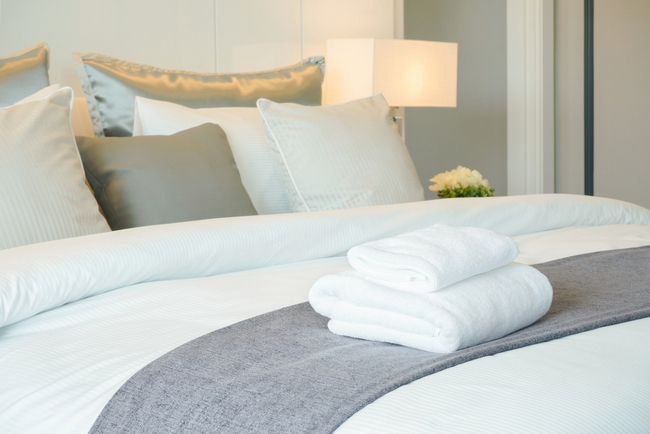
Healthy living has made a good night’s sleep a clear priority, and bedding plays a large part in that. For example, 50 percent of Germans sleep badly, and one in every three visits to the doctor is related to sleep disorders. The right bedding has long been seen as an important part of good sleep.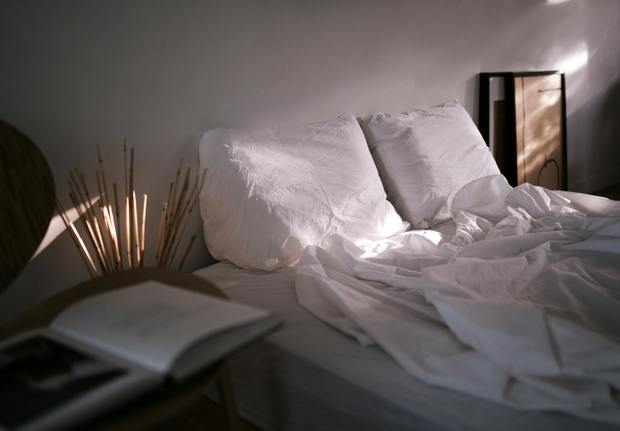
Several studies confirm that wool and flax are the best natural raw materials for relief from stress and good-quality sleep. These fibers provide an all-round sense of comfort and well-being, and their ability to breathe helps people stay warm when it is cold and cool when it is hot. Wool and linen bedding lower skin temperature and improve moisture management, which matches the natural requirements of the human body. They also create a lower relative humidity and do not produce adverse physiological effects. Fewer allergic reactions are another benefit, partly because wool has inherent bacteria-inhibiting properties.
Health Benefits of Natural Bedding
Research has shown that people sleeping on linen bedding had higher immunoglobulin levels, slept soundly, and had stronger immune systems. Other studies on flax, hemp, and wool products show that they do not cause oxidative stress, which is linked to many diseases, including cancer. Products made from these fibers also activate sebaceous glands, increasing the production of squalenes, waxes, and triglycerides, which helps protect the skin against harmful external conditions.
Other combined clinical and laboratory tests show that wool bedding products breathe more naturally than man-made synthetic products, increase the duration of Rapid Eye Movement sleep, and regulate body temperature so the body reaches a comfortable sleeping temperature more quickly and stays there longer. Leah Paff of the Woolmark Company linked poor sleep to overheating, noting that once the body overheats, heart rate rises and falls erratically and REM sleep is interrupted. That is why bedding made from natural fibers keeps attracting attention in interiors.
Wall Coverings Made from Natural Fibers
Natural textile wall coverings are usually laminated to a backing to improve dimensional stability and prevent adhesive from showing through the surface. These backings are usually acrylic or paper. Their range of designs can suit private homes, offices, hotels, and restaurants. Products can also be treated to give anti-mould, anti-bacterial, anti-mite, and anti-stain properties, with fire-proof treatment available on request. Specific dyestuffs can give the fabric high lightfastness.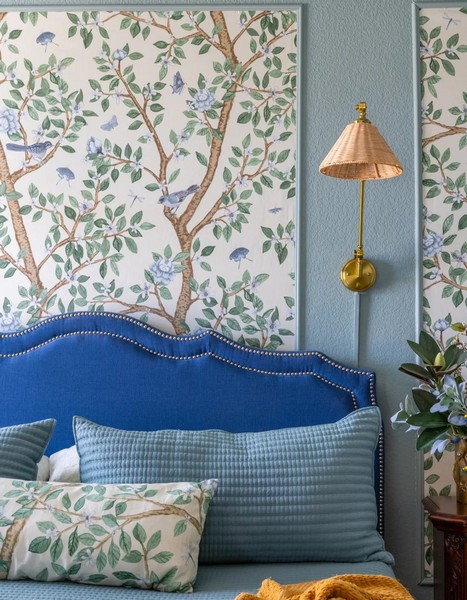
One example is Incotex Clara Lander, woven with large vertical flutes in compositions such as 37 percent cellulose, 59 percent cotton, 3.5 percent acrylic, and 0.5 percent viscose, or 40 percent acrylic, 54 percent cotton, and 6 percent viscose. An acrylic coat on the back of the material prevents air from passing through and blocks dust infiltration. As a result, the space is better insulated against noise and cold, and energy consumption is reduced.
Eco-Friendly Floor Coverings: Carpets and Rugs
Natural floor coverings are made from renewable resources and are biodegradable, but they also have some drawbacks. They do not have the stain resistance of synthetics, they change color over time, which makes each floor unique, and they are not UV stable, so fading may occur in harsh sunlight. Because they absorb moisture, they should not be laid in areas with excessive humidity, since this can cause shrinkage and encourage mold growth.
Comparing Natural Flooring Options
Pure sisal carpets and rugs, carpets in sisal and wool, and products made from coir, sea grass, jute, bamboo, and paper from conifer trees are available for uses ranging from doormats to bedroom carpets. Coir products are hard-wearing and can be used in many domestic and light contract locations. Jute floor coverings are softer than coir, sisal, and sea grass, but they are not as hard-wearing, so they are not recommended for heavy-use spaces such as hallways and staircases or for places with direct bright sunlight. Sea-grass floor coverings are hard-wearing and suitable for most domestic and light contract areas, but they are not recommended for staircases. Sisal floor coverings are also hard-wearing and suitable for most domestic and light contract areas. Wool carpets are softer and warmer than the other natural-fiber options, which makes them suitable for most domestic areas.
Types of Wool Carpets
From earliest times, wool has been woven into carpets. From the simple hand-operated looms of traditional craftsmen to the modern high-tech operations of today’s multinational carpet manufacturers, woven carpets have earned a strong reputation for durability, longevity, practicality, and beauty. Wool also absorbs moisture well.
Types of wool carpet include Wilton, Axminster, tufted carpets, bonded carpets, and knitted carpets. Wilton is the best-known carpet type and takes its name from one of the methods used to make plain woven carpet. Axminster carpets are known for many colors. Tufted carpets are made by inserting tufts individually into a woven or nonwoven backing using a needling technique. Bonded carpets are produced by inserting tufts into a PVC compound applied to a backing fabric. Knitted carpets are made by combining the backing, stitching, and pile yarn at the same time to form a pile fabric. For luxury carpets, silk is also used very often.
Insulation Materials from Natural Fibers
For eco-friendly buildings, insulation products made from natural fibers such as wool, flax, and hemp are widely used as thermal and acoustic insulation for walls, ceilings, floors, and roofs. They are available as lightweight boards, nonwovens, mats, foams, or loose material, and they have very good thermal and acoustic insulating properties.
Flax insulation offers excellent temperature-buffering characteristics, which leads to gradual temperature changes and a comfortable indoor living climate. Its hollow fiber composition also gives it very good breathing properties, which can benefit surrounding constructions as well. Nonwoven insulation materials for houses have been developed from wool and flax as alternatives to glass fiber or mineral wool, such as Isoflax W1. Other flexible thermal insulation materials are made from hemp and polyolefin fibers. These are economical because they are produced by an environmentally sensitive process, such as Canaflex. The product is simple to install and very low in dust.
Compared with glass fiber, mineral wool, and synthetic polymers used for insulation, natural fibers are less abrasive, easier to mold and cut, and easier to recycle. That is one reason they remain attractive when the whole life cycle of a project matters.
You may also like: Textile Aesthetics in Interior Design: Color, Pattern & Texture
Artistic Tapestries and Decorative Textiles
Interior decorative tapestries include woven tapestries, three-dimensional tapestries, experimental modern tapestries, and hand-painted silk textiles. Natural fibers, as a transformation medium, play an important role in different forms of artistic expression. Whether their natural qualities are emphasized or their colors shape the composition, fibers remain a constructive element in the structure of a tapestry.
Modern art treats fiber as a versatile medium, a flexible material with unlimited possibilities. The perception of a work of art, with its individual character, contributes to a new dialogue between the recipient and the creator. A study on natural dyeing showed that nature offers thousands of shades of color. Original designs based on local traditions, with subdued and soothing color effects, are well known in the fashion industry and often inspire modern designers.
Using ancient dyes and techniques creates a link with the traditions of the past. As a result, linen, hemp, and silk tapestries dyed by natural methods can be made in several ways. In response to ecological concerns, the creation of tapestries also focuses on promoting natural dyestuffs in textile art. These include natural fibers such as sisal, ramie, abaca, linen, hemp, and wool in their natural colors. Along with traditional tapestries, three-dimensional compositions can be made by changing internal structures.
Conclusion
Natural fibers in interior design don’t do one thing well. They do several things reasonably well at once. Moisture control, breathability, fire resistance, tactile comfort, visual warmth. That range is what makes them hard to dismiss, even as synthetic options keep improving. Yes, there are real drawbacks. Non-homogeneity is a genuine production headache, and biodeterioration in harsh conditions isn’t a minor footnote. But the same quality that makes them biodegrade in extreme environments also means they can be composted rather than stockpiled in landfill. That’s not nothing. On balance, natural fibers in interior design carry enough technical and environmental weight that their continued relevance seems less like sentiment and more like common sense.
You may also like: Interior Textile Fibers: Properties Every Designer Needs