Introduction
The dining room has shifted in meaning. It is no longer reserved for holidays or formal dinners; in many homes across the U.S., Canada, Australia, and Europe, it now functions as a daily gathering space, a remote workspace, and occasionally even a homework station. That change in use may explain why modern dining room ideas in 2026 lean heavily toward flexibility and thoughtful layout rather than decoration alone.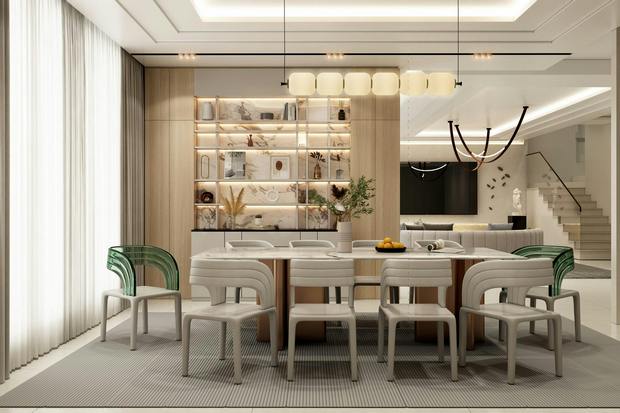
Design today appears less concerned with ornament and more focused on how a room actually performs. Circulation space matters. Lighting temperature matters. Material choice, especially in homes mindful of energy codes and indoor air quality, matters. Even something as simple as chair selection can influence how long people stay at the table.
What follows explores layout planning, furniture choices, lighting strategy, materials, and current decor trends shaping contemporary dining rooms. The goal is not to prescribe a single style, but to outline practical design decisions that could make the space both visually composed and genuinely usable.
Dining Room Design Ideas for Modern Homes
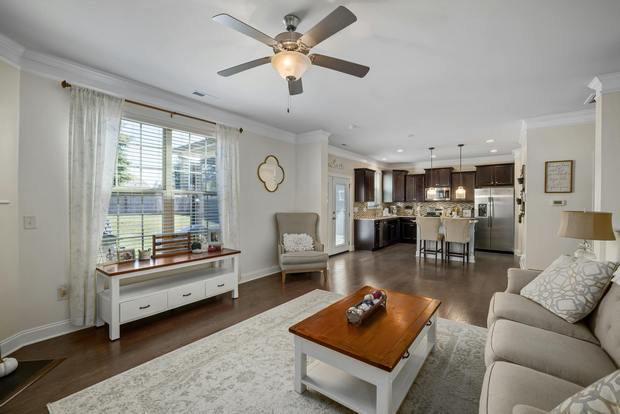
Any room with a few square feet to spare such as family rooms and dens particularly those lined with books or French doors make spectacular mealtime settings in contemporary homes. The dining table can be placed on the one side of the room and a clearance of at least 36 inches is generally advised, though many designers now recommend 40 to 42 inches where space permits, reflecting current NKBA planning guidelines that prioritize circulation comfort rather than bare minimum access in residential layouts. Diverse chair styles such as wing chairs, love seats, and even ottomans add drama and layered seating interest.
Tips for decoration in dining room
- Cabinetry such as plate racks, wall shelves, and corner china cupboards are to be placed near the tables for practical storage. All these use little space while providing handy inches for serving essentials.
- Dining rooms with suitable furnishings, paint, and fabric is to be planned to have pleasing look and visual balance. The right table set on a bright area rug or centered on a window can be the anchor within the layout.
- A round table will be the favorite for conversation and equal sightlines.
- A small square table does well in tight quarters or compact apartments.
- Long farmhouse-type tables work best in rectangular rooms with clear symmetry.
- For ambience find a stunning electric or candle-holding chandelier as a focal point. Current lighting practice tends to favor layered illumination rather than reliance on a single fixture in modern interiors. Dimmable LED sources in the 2700K to 3000K range are widely specified for dining rooms, as this warmer color temperature appears to support visual comfort while also reducing energy use compared with legacy incandescent systems under energy codes.
- Warm colors stimulate conversation and social ease. Paint walls a soft red, or cover them with a richly textured or patterned wall covering for depth.
- Soft contemporary hues like hydrangea-purple and pistachio-green teamed with crisp white moldings will imbue the room with a Monet-garden air in transitional spaces. Recent color forecasting reports for 2025 and 2026 suggest a shift toward mineral-based neutrals such as clay, muted olive, and warm beige across design markets. These tones may reflect a broader preference for biophilic interiors, where color palettes echo soil, foliage, and stone rather than saturated pastels or synthetic brights.
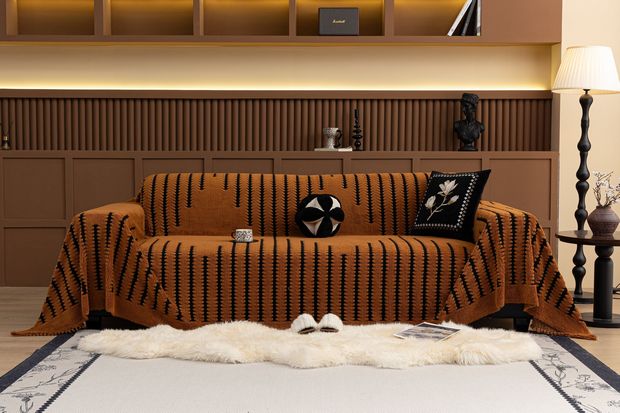
- Slipcover dining chairs, or add simple seat cushions in a contrasting color for flexibility. In practice, many homeowners now select performance textiles with stain-resistant finishes for durability. This choice is less about fashion and more about maintenance, particularly in households where dining rooms serve daily rather than ceremonial use throughout the week.
- Mirror and glass can be used in the back ground to have more attraction and light diffusion. When positioned opposite or adjacent to windows, mirrors can increase daylight penetration and alter perceived spatial depth in smaller plans. The effect is subtle but measurable in smaller dining rooms where square footage is limited by structure.
- Candles will provide glow and romantic dining during evening meals. Flameless LED candles are frequently substituted for open flames, especially in multi-unit housing where fire codes or insurance policies may restrict traditional candle use for safety compliance.
- Don’t hang pictures too high on finished walls. The majority of time spent in this room is while seated, so make sure that when sitting, the art is hung at eye level for comfort. Gallery standards typically place the center of artwork around 57 to 60 inches from the floor in residential settings. In dining rooms, however, slightly lower placement may feel more appropriate because the primary viewing position is seated rather than standing at gatherings.
Creating a modern dining room
- This room has been transformed into a modern dining area within open plans. Looking almost like a waterfall, a glass screen has been installed above a wood buffet to shield the dining table from the kitchen work zone. Contemporary specifications often call for tempered or laminated safety glass in such applications for code compliance. Building codes in many jurisdictions require these treatments in interior partitions to reduce injury risk if breakage occurs under impact.
- With glass doors offering spectacular desert vistas right at their elbows and a ceiling that’s fantastically raised above their heads, diners won’t be distracted by what’s happening at the stove during meals. Large expanses of glazing are now typically manufactured with Low‑E coatings and thermally broken frames, a response to stricter energy codes that aim to limit heat gain and loss in new construction.
- Tantamount to the architecture and the views, though, are the materials –– a stone floor, steel-banded chairs, a modern metal light fixture, a glass-topped table, and granite layering the curved buffet for tactile contrast. It’s a full serving of interesting textures that makes the room memorable to occupants. There has been a gradual movement toward engineered quartz and recycled-content composites in place of some natural stones, partly due to maintenance considerations and partly due to sustainability rating systems that assess material sourcing in certified projects.
- The palette for finishes and fabrics is kept to colors that are reminiscent of the surroundings and landscape context, and this helps to produce a serene atmosphere for dining rituals.
- And, for more serenity, note the curves –– the buffet, the dining chairs, the upholstered seats in the living area, the round tables, and the ceiling dome within the composition. Not many sharp edges are here to jar a mood or visual flow. The renewed interest in curved profiles appears connected to ongoing research in environmental psychology suggesting that softer geometries may be perceived as more welcoming than rigid angular forms in interior studies. The evidence is not absolute, but the design community has responded enthusiastically in recent years.
- For a different mood, consider creating a serious, luxurious space set aside specifically for great meals and conversation in formal homes. In the next section, get ideas for creating a traditional dining room with classic detailing.

Romance and color in dining room decor
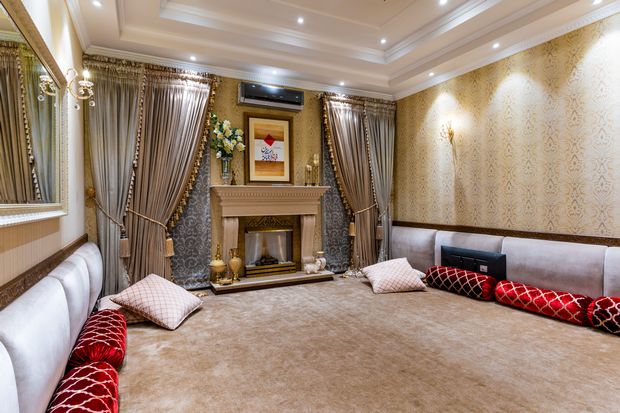
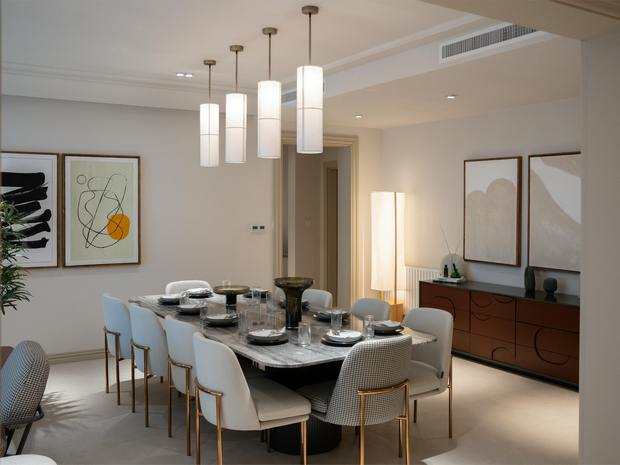
The captivating dining room brings together traditional and ethnic pieces with curated balance. The comfortable upholstered chairs, for instance, would look just as at home in a classic setting or heritage interiors integrated into transitional modern dining room ideas. The color of the wall must be matched with the wood work done in the room and the fabric chosen for window treatment and furnishing must be matched with the color of the wall for cohesion. The colors are to be selected based on the ambience and mood preferred by occupants. Specifiers now often recommend low‑VOC or zero‑VOC paints to reduce indoor air contaminants, particularly in enclosed dining spaces where occupants may spend extended periods during gatherings. This shift aligns with updated indoor air quality standards and increased consumer awareness rather than mere aesthetic preference in housing markets. The most memorable rooms usually feature a surprise component such as painting in ceiling, etc for visual emphasis. Ceiling treatments, sometimes described as the “fifth wall,” have gained traction in recent design publications and trade journals. Wallpapered or color-blocked ceilings can recalibrate proportions and direct visual focus upward, subtly altering how the room is perceived by guests.
Conclusion
A modern dining room in 2026 is rarely about spectacle alone. It tends to reflect how people actually live. Clearances are measured carefully. Lighting is layered, not improvised. Materials are selected with maintenance and sustainability in mind, not just appearance, principles embedded in enduring modern dining room ideas.
Trends may shift from mineral neutrals to deeper tones, from sharp lines to softened curves, yet the underlying principle remains consistent: the room should support conversation and comfort. Design choices that appear subtle, such as art placement or glazing specification, can quietly influence the experience of the space.
In the end, the most successful dining rooms are not defined by a single decor trend. They are shaped by proportion, restraint, and a clear understanding of use. Style matters. Function keeps it relevant.
References
[1] Babu, V. R., & Sundaresan, S. (2018). Home furnishing. CRC Press.
[2] Ballast, D. K. (2020). Interior Design Reference Manual (7th ed.). Professional Publications, Inc.
[3] Ching, F. D. K., & Binggeli, C. (2018). Interior Design Illustrated (4th ed.). Wiley.
[4] Panero, J., & Zelnik, M. (1979). Human Dimension and Interior Space: A Source Book of Design Reference Standards. Watson-Guptill.
[5] Kilmer, R., & Kilmer, W. (2014). Designing Interiors (2nd ed.). Wiley.
[6] NKBA (National Kitchen & Bath Association). (2022). NKBA Kitchen & Bath Planning Guidelines with Access Standards. Wiley.
[7] Karlen, M., & Benya, J. (2017). Lighting Design Basics (3rd ed.). Wiley.