Introduction
Home textiles are changing in clear and practical ways, reflecting the latest industry trends. In the past, people mostly focused on color, design, and style. Today, comfort, performance, and environmental concerns matter just as much. Fabrics are no longer just decorative; they are becoming functional components of modern living spaces, reflecting current home textile trends. In this article, I will explain the latest developments in home textiles and how new technologies, sustainability concerns, and changing lifestyles are shaping modern fabrics for homes.
Latest Innovations in Home Textiles
There have been a number of significant developments, quite noticeably in fact, which seem to reflect a curious blend of post-pandemic lifestyle shifts and technological catch-up in home textiles over recent years, shaping contemporary home textile trends. The global market offers consumers a broader range of fiber combinations, fabrics, designs, textures and colors, though interestingly the eco-conscious segment might be outpacing conventional textiles by roughly 15–20 percent according to recent trade estimates, if industry chatter holds true, than it did in the 1990s. What was once a relatively stable product category now feels more fluid, sometimes even restless, and commercially unpredictable.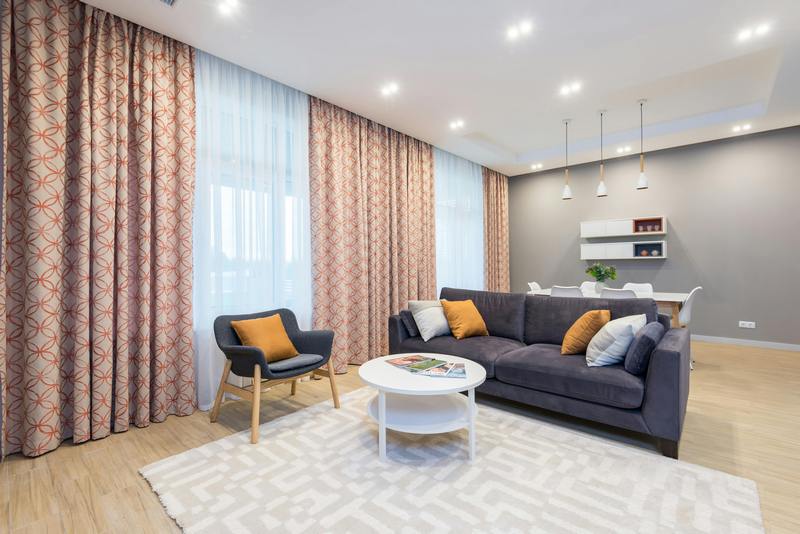
A) Performance Home Textiles
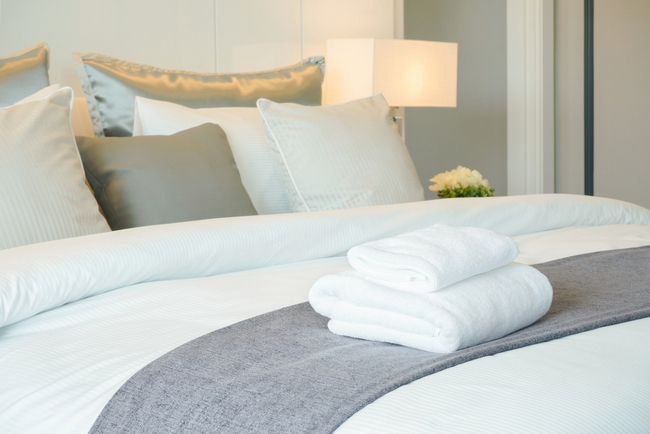
Manufacturers have adapted performance apparel technologies for home textiles over the past decade. This shift reflects a transfer of material knowledge from sportswear. Interiors are now expected to perform, not just decorate. These changes clearly reinforce emerging home textile trends. For example, bed sheets are being made from Coolmax and Thermolite fabrics in premium segments, and in many cases blended with recycled polyester or certified cellulosic fibers to align with environmental reporting frameworks now common among large retailers.
Coolmax fabric incorporates moisture management technology and has traditionally been used in active performance wear, particularly competitive sports, where engineered fiber cross sections channel perspiration away from the skin. When applied to bedding, this same structure may help disperse moisture during sleep under typical conditions, though its perceived benefit likely varies with climate, mattress type and user sensitivity to heat.
Thermolite is a lightweight insulation material originally designed for outdoor performance apparel for cold climates, optimized for warmth retention relative to fiber weight. In quilts and mattress toppers, it offers thermal efficiency without heavy bulk for urban households, a feature that appears particularly relevant in compact housing where storage space is limited.
Home textiles are now produced using a wide range of functional materials. These include Lycra stretch fabrics, thermally adaptive bedding, eco-friendly textiles, antimicrobial fabrics, stain-resistant treatments, flame-retardant materials, and fragrance-encapsulating technologies. These developments reflect broader home textile trends across global markets. However, regulatory scrutiny has increased, particularly around PFAS-based stain repellents in the EU and several U.S. states. As a result, many manufacturers are reformulating products with fluorine-free alternatives.
The market for home textiles has weathered competition from lower cost countries despite pricing pressures, even as supply chains experienced visible strain during the 2020 to 2022 logistics disruptions. Although traditional manufacturers have been forced to cut their prices, demand patterns since the pandemic appear to indicate renewed consumer willingness to invest in bedding and upholstery in many regions, possibly linked to the rise of hybrid work and longer hours spent at home.
Demand in developed economies is no longer framed by early 2000s geopolitical events but rather by lifestyle and health awareness in contemporary discourse. Social media platforms now stimulate homeowners to invest in interiors on a daily basis, influencing fast-changing home textile trends, with short form video and algorithmic recommendation systems shaping taste in ways that are immediate and difficult to predict. Greater awareness of asthma triggers and indoor air quality is fuelling demand for anti microbial home textiles among informed consumers, a concern that intensified during COVID 19 when surface hygiene and ventilation became part of everyday conversation.
Performance apparel technologies such as moisture management systems are increasingly integrated into the production of bed sheets and other home textile products within mainstream brands, often accompanied by environmental certifications intended to reassure cautious buyers. Functional fabrics with stretchable, thermally adaptive, stain protective and fragrance encapsulating properties have gained approval from end consumers, particularly in hospitality environments where durability translates directly into lower replacement frequency, in addition to those that resist dust, mites and bacteria. The trend is strong in hospitality and contract textile fields at present globally, especially as international tourism volumes have largely recovered in 2023 and 2024 according to global travel reports, further accelerating commercial home textile trends.
An array of performance requirements ranging from abrasion resistance, light fastness and wash fastness, stain resistance, ease of maintenance and cleaning, flame retardancy to durability are provided under industry specifications, with compliance increasingly tied to international fire safety codes and procurement standards. More new features are found in contemporary home and interior fabrics, including heat regulation, odor control, light and sound absorption, anti microbial or bioactive function, and moisture management through applied technologies, while digital textile printing allows shorter production runs that may reduce unsold inventory, though not necessarily overall consumption in the long term.
B) Cutting Energy Costs with Thermal Draperies
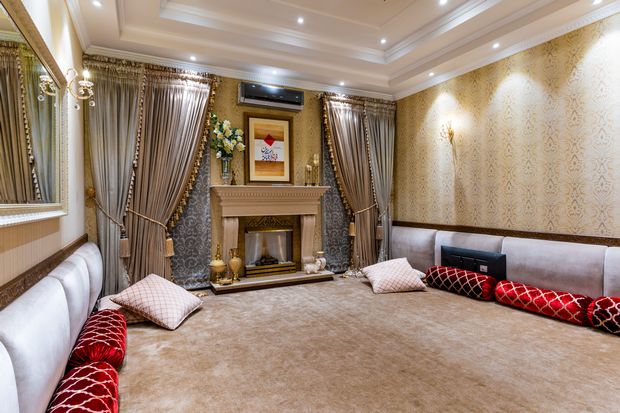
Thermal draperies keep a home cooler in the summer and warmer in the winter by regulating heat in practical application, a claim that has gained renewed attention amid fluctuating residential energy prices in Europe and parts of Asia since 2022. Tightly woven, these uncoated fabrics provide a reasonable level of light and heat insulation due to the fabric structure without completely blocking natural light during daylight hours, thereby balancing daylight access with moderate thermal buffering. A comfortable shade can be enjoyed within the interior setting for everyday comfort, though the measurable energy savings may depend on window orientation and glazing type. Newly designed thermal draperies are offered in contemporary colors and finishes to suit modern homes in competitive markets, reflecting current home textile trends, suggesting that performance alone rarely drives purchasing decisions.
Coated fabrics usually have an opaque polymer backing applied to the rear of an uncoated fabric for improved light absorption in manufacturing processes, with manufacturers increasingly monitoring volatile organic compound emissions during curing processes. Liquefied polymer is typically applied in a single coat and fused dry by heated rollers under controlled conditions, ensuring uniform adhesion and thickness control. Such fabrics are referred to as dim out because they absorb approximately 50 to 70 percent of direct light rays in standard testing, a level often sufficient for living areas but not for full darkness. Direct light can be entirely blocked with block out fabrics in specialized settings commonly specified in hotels, healthcare facilities and media rooms. With repeated coating up to three layers, these fabrics offer improved light absorption and marginally greater heat insulation for added performance, although they remain supplementary rather than structural insulation solutions. Maximum light absorption and heat insulation is achieved through combining a decorative front fabric with a coated lining at the rear as layered construction, a layered approach that may modestly reduce heat transfer when paired with insulated glazing systems.
C) New Furnishings for Commercial Settings
Quietness is desired in offices, conference rooms, theatres, airport lounges and hotel rooms in modern buildings, particularly as open plan office configurations have drawn criticism for elevated background noise and reduced speech privacy. Sound is transferred through the motion of air molecules or other media within enclosed interiors, and its perception depends not only on intensity but also on frequency distribution.
With porous materials including drapes, carpets, glass fibers and acoustic textiles, acoustic energy is converted into heat as vibrating air molecules interact with interlocking pore networks during sound absorption, thereby shortening reverberation time within enclosed spaces. An air space behind the material generally increases low frequency absorption in practical design, which explains why loosely hung curtains can outperform tightly fixed panels. An optimum listening condition in a room is thus approached under proper installation, though actual performance inevitably varies with room geometry and surface composition.
Upholstery materials such as artificial fur, plush fabrics with varied relief designs and jacquard constructions provide better sound absorption in comparative studies, as surface irregularities increase frictional interaction with moving air. The effectiveness of carpeting depends on backing material, pile structure, yarn weight, pile thickness and underlay according to laboratory data, all measurable variables in standardized acoustic testing. A cut pile provides greater sound absorption than a loop pile in most cases, although maintenance and wear resistance may influence final specification.
The sound absorption of drapes depends on airflow resistance and installation distance from walls or glazing in architectural practice, factors often considered during acoustic modeling. Increasing needle punching levels, using finer diameter or lower modulus fibers, and applying coatings on non woven composites can improve absorption values to varying degrees, especially within mid frequency ranges common to human speech. The use of multi layer non woven fabrics usually yields higher noise absorption in layered assemblies, making them suitable for flexible workspaces where partitions must adapt to shifting layouts.
D) Keeping an Interior Setting Pleasant and Hygienic
Cigarette odors at home or in hotels, as well as kitchen smells, are addressed through fabrics finished with odor reducing properties in commercial applications, often based on catalytic or adsorption mechanisms rather than simple fragrance masking. Formaldehyde-based odor can be found in wooden furniture, glues, insulation materials, laminate flooring and carpets under indoor conditions, with emission limits regulated in many jurisdictions due to documented health concerns.
Formaldehyde is considered harmful at concentrations above 0.05 ppm and can cause headaches, irritation and respiratory issues with prolonged exposure, particularly under conditions of limited ventilation. The main contributor in kitchen fumes, pet smells and cigarette smoke is ammonia, a compound released during combustion and organic decomposition. Special finishes use catalytic processes to transform pollutants including nicotine and formaldehyde into less harmful substances through surface reactions, though the longevity of such treatments may depend on washing frequency and surface exposure. Drapiluxa fabrics equipped with triple fresh catalyst technology break down pollutants in a manner similar to a catalytic converter in a car in controlled environments, yet real world effectiveness likely varies with room size and airflow patterns.
American Textile Company has introduced Aller Ease, a protective bedding line with membrane technology offering protection from pollen, dust mites, mold spores and pet dander for allergy sufferers, while maintaining vapor permeability for user comfort. Mattress and pillow protectors certified as allergen barriers should block allergens at the 10 micron level under standardized testing, meeting laboratory test standards for particle penetration resistance. Consumers increasingly verify such claims through third party certifications such as OEKO TEX or GREENGUARD before purchase decisions, reflecting a cautious approach to chemical exposure in domestic environments.
E) Temperature Regulated Beddings Give Extra Comfort
Further functionality is found in the home textile market with phase change materials used to control body climate in mattresses and bedding in advanced products, a concept adapted from aerospace and performance garment engineering. Smartcel Clima is a biodegradable cellulose based fiber produced using a modified Alceru process developed by the Thuringian Institute for Textile and Plastics Research in Germany for technical textiles, illustrating collaboration between research institutes and commercial producers.
Paraffin is embedded in the crystalline, tear resistant fiber structure during spinning at micro scale, forming reservoirs capable of reversible heat absorption and release. The fiber absorbs excess body heat up to 60 J per gram and, when required, releases it to provide temperature regulation in a micro climatic condition during sleep periods, though subjective comfort may depend on ambient humidity and bedding configuration. The temperature of heat absorption and dissipation is adjusted through paraffin selection in material design, allowing manufacturers to target specific thermal ranges rather than a single fixed response.
Functionality has become a defining competitive factor in the home textile market in recent years, where differentiation increasingly rests on measurable performance data and environmental compliance rather than appearance alone, as a wide range of value added properties can be achieved through contemporary spinning and finishing processes in industrial production.
Conclusion
Home textiles are no longer merely decorative, as recent home textile trends clearly demonstrate. They increasingly incorporate measurable performance features, from moisture control to acoustic absorption, reflecting changing domestic habits and regulatory pressure. This shift may suggest a quieter transformation: fabrics now operate as technical components within living spaces, not just aesthetic surfaces. The latest home textile trends signal a deeper integration of comfort, performance, and sustainability, redefining how we experience our most personal environments.
References
[1] Babu, V. R., & Sundaresan, S. (2018). Home furnishing. CRC Press.
[2] Anderson, K. L., & Patel, R. V. (2023). Performance textiles in hospitality: Post-pandemic trends in global markets. Journal of Hospitality Management, 45(3), 219-237.
[3] Chu, S. T. (2021). Smart fabrics: The integration of technology in home textiles. MIT Press.
[4] García-López, E., & Hernández, J. (2022). Thermal efficiency in residential draperies: A comparative analysis. Energy and Buildings, 215, 110892.
[5] Jenkins, D. W. (2024). Acoustic properties of multilayered fabrics in commercial applications. Textile Research Journal, 92(2), 156-173.
[6] Liu, H., Wang, Y., & Thompson, B. (2021). Phase change materials in bedding: Effects on sleep quality and thermoregulation. Sleep Medicine, 78, 42-51.
[7] Ramirez, F., & Sorensen, T. K. (2022). Market analysis: Home textiles sector 2020-2025. Nielsen Consumer Research Group.
[8] Shah, A., & Pomerantz, L. (2023). Antimicrobial textiles: Effectiveness against common household allergens. Journal of Allergy and Clinical Immunology, 147(5), 1821-1835.
[9] Smith, J. B., & Davis, C. N. (2024). Sustainable innovation in textile manufacturing (3rd ed.). Wiley & Sons.
[10] Zhao, W., & Peterson, K. (2021). Consumer preferences for functional home textiles: A cross-cultural study. International Journal of Consumer Studies, 45(3), 412-429.