Understanding Home Textiles
Home textiles are fabrics used in various parts of the house. Home textiles bring together comfort, style, and sustainability. At its core, home being the expression and reflection of who the owner is, needs to be furnished in a way that makes one feel comfortable, safe and delighted while also ensuring functional efficiency and aesthetic balance within the living environment.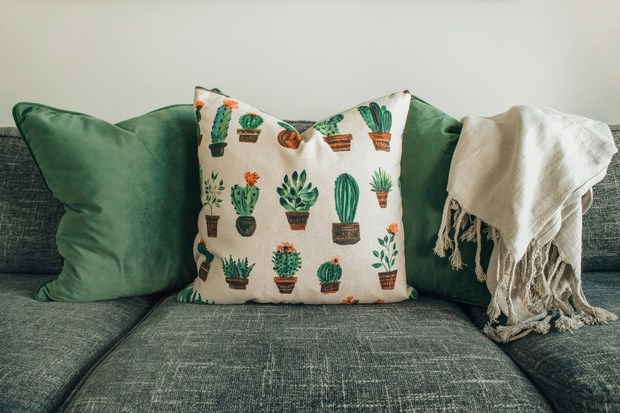
In everyday life, we spend the highest time of our life at home and has special social, emotional importance attached to it across all cultures as it serves as a centre of family bonding, privacy and psychological security.
To clearly grasp the concept, to understand the meaning of home textiles, it is necessary to understand the concept of ‘technical textiles’ since home textiles are scientifically classified under this broader functional textile category.
In simple technical terms, the textiles that are not produced for decorative purposes, but with certain specific intentions are called technical textiles where utility, durability and performance characteristics are given primary importance over visual appeal.
From an application point of view, technical textiles have been grouped into twelve segments, viz. agrotech, buildtech, clothtech, geotech, hometech, indutech, meditech, packtech, protech, sporttech, oekotech, and smart or interactive category, each segment representing a specific field of technical application.
Within this framework, home textile is a rather important part of technical textiles which includes but not limited to carpets, rugs, floor coverings, curtains, cushion covers, napkins, towels and toweling fabric, bedspreads, furnishing fabric and upholstery, table linen, bed linen, sheets and pillowcases, blankets, shower curtains, aprons as well as wallpapers that collectively enhance indoor comfort, hygiene and decorative appeal.
Broadly speaking, in home textile there are hard home sectors and soft home sectors based on structural characteristics and end-use functions.
Typically, hard home textiles include the heavy items such as rubber floor mats, coir mats, rugs, etc. which are designed for strength, durability and resistance to wear and tear.
On the other hand, soft home textiles cover bath towel, kitchen towel, napkins, aprons, etc. where softness, absorbency and flexibility are the major performance parameters.
In recent years, home textiles have emerged as one of the most dynamic product segments in textile industry due to rising consumer awareness and lifestyle transformation.
Over time, there have been significant developments in home textile especially in fibre engineering, finishing techniques and sustainable production practices.
Today, the emerging of this market trend is due to the growing demand of comfort and functional performances by customers on fibre combinations, fabrics, designs, textures and colours as modern consumers expect multifunctional and value-added textile solutions.
Therefore, as a result, manufacturers are now adopting comparatively matured performance apparel technologies for use in home textile products such as moisture management finishes, antimicrobial treatments and easy-care innovations.
Let’s explore why home textiles matter and how choosing the right fabrics can support both a beautiful home and sustainable living.
Uses of Home Textiles in Hospitality
In recent years, the trend for home textile market can also be observed in hospitality textile field. Undoubtedly, people nowadays desire better services and facilities in hotels, resorts, restaurants, bars, casinos, spas and sport arenas. As a result, it is foreseen that the number of these places of public entertainment will be significantly amplified in the coming years.
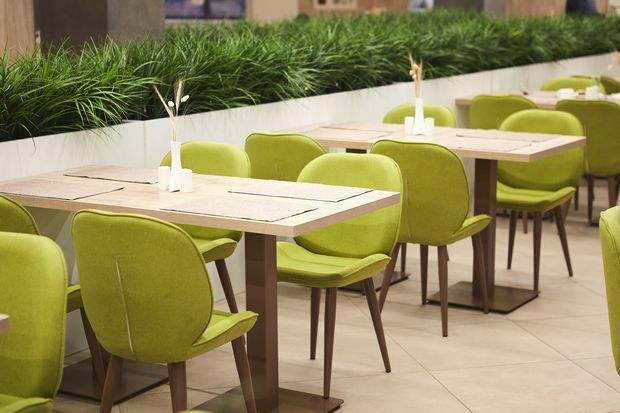
The fabrics used in furniture, bed coverings, mattresses, pillows, curtains, towels, wall covering and even the carpeting on the floor have to meet demanding performance criteria while maintaining an attractive appearance. In practical terms, performance requirements include ease of maintenance and cleaning, flame retardancy and long-term durability. At the same time, the way the fabrics look plays a crucial role in creating a warm and welcoming atmosphere for guests and travellers.
Although each public venue has different facilities and its own performance requirements, the strategies for maintaining a good look in the furnishings remain more or less similar. Typically, the major performance requirements for hospitality textiles are abrasion resistance, lightfastness, washfastness, stain resistance, cleanability, flame resistance, odour control, antimicrobial function and anti-mite properties.
Consumer’s Expectation from Home Textiles
From a consumer perspective, a customer looks for harmony and balanced visual impact within the home and each of its components. Therefore, bed-sheet sets, comforters, rugs, cushions, wall hangings, lamps and wallpapers should match well with wall colour, furniture and flooring to create a coordinated look.
In this context, fashion designers are expected to understand the aesthetic sensibility of target customers and develop innovative design concepts accordingly. Indeed, colour and design largely define the aesthetics of a product and determine its visual impact in creating a harmonious environment. For this reason, manufacturers in this sector continuously strive to respond to evolving market demand.
Interestingly, sometimes a consumer is not even aware of an emerging need. Since home textile remains a relatively under-explored area, there is significant scope for innovation. This can be achieved by understanding consumer psychology and integrating technology with fashion to provide practical and appealing solutions.
In fact, several innovations have been adapted from the apparel sector to meet the evolving expectations of home textile consumers. For example, bed sheets are now being made from Coolmax and Thermolite fabrics. Coolmax fabric incorporates advanced moisture management technology and has traditionally been used in active performance wear, while Thermolite is a lightweight insulation material originally designed for outdoor performance apparel.
Market Scenario of Home Textiles
Globally, Brazil, Russia, India and China, commonly known as BRIC, are considered major growth markets across product categories. For instance, in India, per capita consumption of home textiles is around 3 meters per annum compared to over 200 meters per annum in matured markets. However, the product package that works in matured markets does not always succeed in emerging economies due to differences in purchasing power and consumer preferences.
The global home textiles market size was valued at USD 218.52 billion in 2024. The market is projected to grow from USD 230.99 billion in 2025 to USD 338.37 billion by 2032, exhibiting a CAGR of 5.60% during forecast period. Asia Pacific dominated the home textiles market with a market share of 43.74% in 2024.
According to the World Trade Organization (WTO) 2024 trade statistics on home textiles, the United States was the largest importer of home textile products with an estimated share of around 16–18% of global imports, followed by Germany approximately 8–9%, the United Kingdom about 6%, France nearly 5%, Japan close to 4–5%, and Canada around 3–4%.
On the other hand, China remained the largest exporter of home textile products with a global market share of roughly 30–32%, followed by India around 8–9%, Pakistan about 7–8%, Turkey nearly 4–5%, Bangladesh close to 4%, and Vietnam around 3–4%.
By 2024, it was widely recognized that although China continued to dominate global home textile exports, its relative share had gradually adjusted due to supply chain diversification and regional trade shifts. Meanwhile, the United States maintained its position as the largest importer, supported by strong consumer demand, even as global sourcing strategies evolved toward multiple Asian suppliers.
Overall, the home furnishing industry offers a wide range of products, but style and colour alone are no longer sufficient to attract modern consumers. Fashionable products by themselves cannot guarantee business success. To appeal to today’s increasingly sophisticated customers, products must offer enhanced functional properties, eco-friendly attributes and full compliance with international regulatory and safety standards.
Uses of Different Fibres in Home Textiles
In general, home textiles made from natural fibres have always been preferred by consumers because of their comfort, breathability and skin friendliness. However, in recent years, products made from synthetic fibres and blended materials have also shown encouraging signs of becoming significant export items due to their durability and cost effectiveness.
Recently, several new and sustainable fibres have been introduced into home textiles, including coir, jute, water lily fibre, silk, milk fibre, wood fibres, seaweed fibres, soybean fibre, bamboo fibre and hemp. Although these fibres are environmentally friendly and widely welcomed by eco-conscious consumers, their large-scale commercial exploitation is still limited due to higher production costs and supply chain constraints.
Labelling and Care Instructions of Home Textiles
Labelling of home textiles generally includes dimensional measurements, care instructions, country of origin, fibre content and manufacturer’s identification. This requirement ensures that consumers remain properly informed about their prospective and current purchases.
Proper labelling protects consumers against misrepresentation in the advertising and sale of textile fibre products and enables them to choose items based on accurate fibre content information. Depending on the export market, labelling requirements may vary because regulations differ from country to country. In some cases, additional law tags and safety tags are also required to provide necessary precautionary information before purchase.
Testing and Quality Standards for Home Textiles
Various international test methods are followed in evaluating home textiles, including standards from ASTM International (US), AATCC (US), BSI Group (UK), DIN (Germany), AFNOR (France), Japanese Industrial Standards Committee (Japan) and International Organization for Standardization (ISO/EN Europe). In addition, comprehensive standard requirements are often specified by individual home textile industries.
The wide range of tests conducted generally covers performance, safety and legal compliance criteria. Performance testing establishes conformity of fabrics, yarns, components and finished products with contractual requirements. Evaluation procedures also include colour fastness testing, care labelling validation, specialty finish assessment, restricted chemical substance analysis, and feather and down testing.
Selecting the correct testing protocol is extremely important. For example, confusion may arise when choosing the proper test category for furniture throws. They may be tested either under furniture accessories – chair pads/slip covers or under blanket/throws category. Based on end use, furniture throws are typically tested under furniture accessories because they function more like slip covers and are intended to protect furniture rather than provide warmth. Decorative throws, however, should be tested under the blanket/throws category.
Similarly, debate often occurs regarding colour fastness to static wetting for bright bath towels. Static wetting testing is primarily intended to detect cold water bleeding. Beach towels, which are exposed to wet bodies and swimsuits, are more prone to slow colour migration compared to regular bath towels. For this reason, many renowned retailers in the US do not require colour fastness to static wetting testing for solid colour bath towels.
Fire safety is another major concern in home textiles. Since household fires are a common cause of injury, textiles used in furniture and upholstery are tested for flammability resistance and their ability to prevent the spread of fire. When such products burn, they may release toxic fumes and smoke, which can be hazardous and, in extreme cases, fatal.
Common Quality Issues and Solutions
Quality problems in home textiles are generally similar to those found in apparel, though requirements vary depending on end use. Curtains and upholstery fabrics, for example, require high colour fastness to light because of prolonged exposure to sunlight. Colour fading in these products is a common issue and must be carefully addressed throughout the manufacturing chain. Proper selection of dyestuffs and appropriate combinations, often with guidance from dye manufacturers, is essential to achieve high light fastness performance.
Another common issue arises when dyed or printed floor mats placed outside bathrooms stain underlying carpets. This usually occurs due to poor colour fastness to water, resulting in colour bleeding. To prevent such problems, buyers should include colour fastness to water testing in their evaluation protocols, and processors must take necessary precautions during production.
Colour fastness to washing and rubbing are among the most frequently specified tests by buyers. A pigment-printed floor covering may pass quality control tests yet still be returned if it fades significantly after the first wash according to care label instructions. The washing fastness test determines whether the specimen loses colour or stains other fabrics during laundering. For pigment prints, colour fastness to wet scrubbing, regulated under ISO 105 C07, is particularly important.
Home textiles often come into contact with plastics, such as PVC-backed placemats or plastic tumble dryer drums. In some cases, pigment-printed bed sheets may cause colour migration onto plastic dryer drums, leading to customer complaints. Testing for migration of colour into PVC coatings helps prevent such issues, and susceptible pigments should be avoided.
Certain pigments are also unsuitable for articles labelled “dry clean only.” For instance, motif pigment-printed curtains may lose their design after one dry-cleaning cycle, causing embarrassment to both retailer and manufacturer. In such situations, replacing the care label with a suitable wash care instruction before shipment, while ensuring dimensional stability, becomes necessary.
Eco-Friendly Home Textiles
Similar to apparel, eco-parameters are increasingly important for home textiles intended for export. Since many exported home textiles are processed in small units, processors must clearly understand environmental compliance requirements. Today, strict eco-standards can be achieved with proper technology and management practices.
Eco-certification confirms that products comply with accepted environmental safety standards. Widely recognized certification systems include Global Organic Textile Standard (GOTS), OEKO-TEX Standard 100 and REACH (Registration, Evaluation, Authorisation and Restriction of Chemicals).
To ensure environmental protection and consumer safety, new harmful substances are regularly restricted and existing performance requirements are tightened in different eco-standards. As a result, compliance with evolving regulations has become a continuous responsibility for exporters targeting diverse global markets.
Conclusion
Home textiles are more than just decoration. They are a bridge between comfort, style, and sustainability. By choosing the right fabrics, patterns, and sustainable options, you can create a living space that not only looks beautiful but also feels cozy and supports a greener lifestyle. From luxurious bedding to stylish curtains, every textile choice matters in shaping a home that reflects who you are.