Introduction
Bathroom is not considered just a utility these days. In many contemporary homes, it increasingly functions as a private retreat rather than a purely service-driven space, a shift that has shaped demand for modern bathroom furnishings within broader home furnishing trends that balance comfort and aesthetics. It is seen as the room or space that sets the mood for the rest of our day in the morning. This shift in perception may reflect broader changes in domestic life, where personal well-being is given visible spatial importance. The master bathroom or luxury bathrooms today include at least a toilet, bidet, two sinks, separate tub and shower, whirlpool or spa and perhaps more premium features. Such layouts appear to prioritize comfort and privacy, especially in households where multiple users share the space simultaneously, often influencing current bathroom remodeling ideas.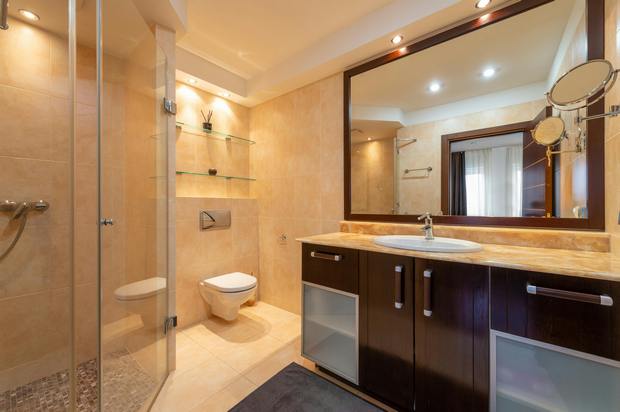
There are half bathrooms that only have a sink and toilet, while full bathrooms have bathtub and shower combo along with it. Smaller bathrooms may just have shower area or corner shower stall instead of both tub and shower, inspiring practical modern bathroom design ideas for compact homes. Spatial limitations often dictate these decisions more than aesthetic preference. Children’s bathroom may omit a thing or two but is more colorful and has energetic feel. Design in these cases tends to respond to age-specific needs, safety concerns and playful visual cues for usability.
Bathroom Design & Furnishings: Complete Guide
Bathroom Fixtures and Fittings
Fixtures in white, biscuit or bone colors are popular, while chrome faucets with soft brass accents are the latest styling trend in bathroom fixtures and fittings. Neutral fixtures may remain dominant because they allow easier coordination with tiles, paint and lighting conditions over time.
Artistic and aesthetic sinks, vanity areas, vessel sinks and sinks made of hand-blown glass are the fashion of the times in interior markets and frequently appear in luxury bathroom decor collections. Their appeal often lies less in function and more in their sculptural presence within the room.
Corner shelves, corner shower with shower caddy, hanging towel bars and medicine cabinets with mirrors are part of contemporary bathroom fittings. They can be made from stainless steel, glass or ceramic materials commonly used in modern bathroom furnishings. Material selection here may subtly influence maintenance demands and long-term durability.
Steel baths look traditional and are strong and durable, while acrylic baths are more versatile and lightweight. Modern acrylic baths do not feel cold and metallic and are easy to maintain regularly. Homeowners frequently weigh tactile comfort against longevity when choosing between these options, especially during bathroom remodeling ideas planning.
Bathroom Accessories and Decor Ideas
Bathroom accessories make the bathroom environment more appealing and can be bought based on a theme that goes with bathroom design and style preferences. Right accessories can give a unique and creative look to your bath space and form an essential part of contemporary bathroom accessories trends. At times, however, excessive accessorizing may visually crowd smaller bathrooms, reducing the sense of calm they attempt to create.
- A simple bathtub accessory such as a rack that fits on one end of the bath can make soap and bathing lotions easily accessible while bathing daily, supporting practical modern bathroom design ideas. Its practicality becomes evident in daily routines rather than in display value.
- Fresh towels kept neatly on a nearby towel rack or hanging on a towel holder in the bathroom wall cabinet are priceless comfort elements often emphasized in luxury bathroom decor. Order, in this context, contributes quietly to comfort.
- Bathroom accessories also include aroma extracts and essential oils that soothe with their fragrances as you massage them onto your body and can occupy a place on bathroom counters neatly, enhancing the sensory dimension of modern bathroom furnishings. Scent, though intangible, may influence how spacious or intimate the room feels.
- Color coordinate bathroom accessories and towels thoughtfully, a strategy often highlighted in modern bathroom design ideas. We may even use a family of colors such as blended reds, oranges or pinks with green highlights and summer bathrooms with youthful yellows. Color psychology could shape emotional response, even if subtly.
- Magazine racks are for people who love to read while soaking in the bath quietly, reflecting personalized bathroom furniture and storage solutions. This detail suggests a slower, more reflective use of the space.
- A shower massager can help ease tension and relax before going to bed, and a fog-free shower mirror will help you shave better efficiently, additions often included in premium modern bathroom furnishings collections. Such additions indicate how bathrooms increasingly intersect with wellness routines.
- Expensive designer baths are creatively planned and indulgent and can use crystal bowl washbasins as focal points in luxury bathroom decor schemes. These choices often signal status as much as taste.
- A stylish, contemporary but small bathroom can use top cabinets, space-saving radiators that can be used as towel rails and may have a built-in seat for a luxurious touch or comfort for the elderly users, integrating smart bathroom furniture and storage solutions. Compact design frequently demands negotiation between accessibility and visual simplicity.
- A light, simple bathroom carpet in a neutral shade suits contemporary bath decor more than a heavy plush rug visually, aligning with minimalist modern bathroom design ideas. Texture underfoot, though easily overlooked, shapes sensory experience.
Other types of bathroom accessory ideas include pillar taps, bath panels, floor coverings, bathroom cabinets, shelving, window treatments such as blinds and curtains, towel rails, bins and mirrors accessories that collectively define modern bathroom furnishings. Each element, however minor, participates in the overall spatial composition.
Bathroom Furniture and Storage Solutions
Basic bathroom suite consists of a toilet, a washbasin and a bath with matching taps and handles, with perhaps bidet and mirrors included. Other bathroom styles include bathroom storage furniture such as cabinets to keep toiletries and fresh towels organized, forming the backbone of bathroom furniture and storage planning. Storage, arguably, determines whether the bathroom feels orderly or chaotic.
Bathroom furniture includes bathroom vanities placed on either side of pedestal sinks, low-hung cabinets and dressers for undergarments that can be made from wood or metal finishes, all integral to modern bathroom furnishings. Material choice may affect resistance to humidity over time.
Tower cabinets can be used to keep hair dryers, electric shavers and appliances, ironing boards and built-in hampers in closets along with other small items that may cause clutter in bath areas, reflecting practical bathroom remodeling ideas. Vertical storage often compensates for limited floor area.
Wicker can also be used to make lampshades, chests, hampers, planters, porch swings, baby bassinets and carriages traditionally, occasionally incorporated into rustic luxury bathroom decor themes. Its presence in bathrooms introduces a softer, textured contrast to tile and porcelain.
We can store bathroom linens in stylish wicker chest of drawers or coordinate console table with wicker baskets with rustic bathroom decor themes, supporting cohesive bathroom furniture and storage design. Wicker seat with basket can be used to sit and provide storage solution in small bathrooms practically. Such pieces blur the boundary between furniture and utility.
Bathroom Lighting Ideas and Light Fixtures
Placement of bathroom light fixtures should ideally light up our faces fully and minimize shadows under the chin and eyes clearly, a key consideration in bathroom lighting ideas. Bathroom light fixtures should be placed at average forehead height to minimize shadows and should be at least two and a half feet apart from each other evenly. Incorrect placement may distort facial perception, which becomes noticeable during grooming tasks.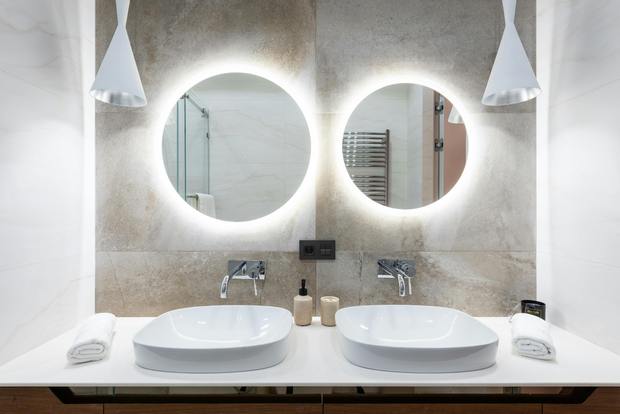
Fluorescent lights make a look green or pale, so avoid them generally when planning modern bathroom design ideas. Opt for incandescent light fixtures or bulbs closer to natural sunlight tones. The various kinds of bathroom lighting fixtures include bar lights that are tiny torches mounted on metal bars of different shapes and designs fixed to walls or counters securely. Light temperature, often overlooked, can alter both mood and perceived cleanliness in modern bathroom furnishings.
Bathroom Rugs and Floor Coverings
These are available in a variety of shapes, colors and textures today, complementing broader modern bathroom design ideas. Be it a floral, Asian, seaside or children themed bathroom, one can find a similar themed rug to accentuate the look effectively. The rug frequently acts as a visual anchor in otherwise hard-surfaced environments.
A soft, warm colored rug suits best for a warmly colored bathroom with ceramic tile, while a contemporary designed bathroom is complemented by a strong colored rug choice often seen in luxury bathroom decor. Contrast here may either unify or intentionally disrupt the palette.
From nylon and polyester to cotton, the options are varied widely. Nylon and polyester rugs offer durability, vibrancy and resistance despite repeated washings, while cotton provides comfort and absorbency but may get damaged with constant use over time. Practical considerations often outweigh purely decorative preferences in modern bathroom furnishings selection.
Bathroom Toilets and Sanitary Ware
Bathroom toilets can be categorized as antique toilets such as pull-chain high tank toilet or water closets and modern contemporary toilets such as ergonomic corner toilets and elongated toilets with large siphon outlets systems, reflecting evolving bathroom fixtures and fittings standards. The evolution in form appears to reflect changing expectations regarding hygiene and spatial efficiency.
Bathroom toilets come in various sizes with varying width, depth and height, so make sure what kind of toilet seats are compatible with the plumbing style of your bathroom layout, particularly during bathroom remodeling ideas execution. Misalignment between fixture and plumbing can result in costly adjustments.
Bathroom Mirrors and Vanity Mirrors
Bathroom mirrors have retained their place as an important part of bathroom design and determine how natural and artificial light is reflected and changes mood and feel visually, reinforcing thoughtful modern bathroom design ideas. Their scale may visually expand or compress the room.
Traditional bathroom mirrors include various wood textures and tones and wood bath panels as design elements traditionally. Bathroom mirrors should never extend beyond the vanity surface width. Bathrooms with double basins should use rectangular wall-to-wall mirrors to reflect and distribute light effectively and add to visual space balance, often highlighted in bathroom lighting ideas. Proportion, in this case, becomes more than decoration; it shapes perception.
Contemporary bathroom mirrors that are circular or square in shape go well with modern bathroom styles aesthetically and complement modern bathroom furnishings. For remodeling projects, wall mirrors that do not exceed the length of floor-mounted or wall-mounted basin furniture are popular choices. Alignment between mirror and basin often creates a sense of intentional design rather than improvisation.
Bathroom Shower Curtains and Enclosures
Bathroom shower curtains are functional bathroom accessories that can change the look of bath decor instantly and are part of contemporary bathroom accessories trends. People who do not want a glass wall shower cubicle can use a shower curtain to define the shower area clearly, a flexible option in bathroom remodeling ideas. This option may also reduce installation costs and allow easier replacement over time economically.
Shower curtains shield the rest of the bathroom from water sprays while adding color simultaneously, complementing overall modern bathroom furnishings. They must be resistant to water and moisture and need to be cleaned and dried frequently properly. Without regular maintenance, they can quickly undermine the cleanliness the bathroom seeks to convey overall.
Conclusion
Modern bathroom furnishings reflect more than style preferences. They signal how domestic space is being reinterpreted. Storage choices, lighting placement, even the texture of a rug may suggest whether a bathroom feels hurried or restorative. Practical constraints still matter. Plumbing, square footage, maintenance demands. Yet thoughtful design appears to bridge utility and comfort without excess. The most successful bathrooms are not necessarily the most elaborate; they are the ones that quietly support daily routines while allowing a measure of pause.
References
[1] Lawson, F. (2010). Bathrooms. London: Laurence King Publishing.
[2] Babu, V. R., & Sundaresan, S. (2018). Home furnishing. CRC Press.
[3] Ching, F. D. K., & Binggeli, C. (2018). Interior Design Illustrated (4th ed.). Hoboken, NJ: Wiley.
[4] Kilmer, R., & Kilmer, W. O. (2014). Construction Drawings and Details for Interiors (3rd ed.). Hoboken, NJ: Wiley.
[5] Steffy, G. R. (2008). Architectural Lighting Design (3rd ed.). Hoboken, NJ: Wiley.
[6] Hall, F., & Greeno, R. (2017). Building Services Handbook (8th ed.). London: Routledge.
[7] Piotrowski, C. M. (2016). Professional Practice for Interior Designers (5th ed.). Hoboken, NJ: Wiley.