When a client is choosing a sofa for a family room, a formal living space, or a contract setting, the purchase is usually meant to last for years. That makes the frame, springs, cushions, fabric, and overall scale long-term decisions rather than quick style choices. This upholstered furniture buying guide helps organize those decisions in a practical order. Client education matters, because the best sofa is the one that fits the budget and still performs well.
Sofa Frame Construction
Upholstered seating is usually a ten-year investment, so client education concerning the best-quality sofa allowable within the budget is important. The frame is a very important consideration. Although contract seating is often steel-framed to meet durability and flammability requirements, in residential as well as some contract projects, upholstered furniture frames are wood.
Less expensive sofas are usually made of hardwood, plywood, particleboard, or some combination of the three. Better frames are at least 1 1/2 inches thick and made of moisture-resistant, kiln-dried hardwoods like ash, birch, maple, or oak. By lifting one end of the sofa, one can judge its weight; most often, the heavier, the better. This is one of the first places where quality shows up in daily use.
Strong Wood Joints
Joinery is the method used to join wood frames together. Splines are corrugated horizontal nails hammered into mitered, 45-degree cut pieces of lumber that fashion the frame. As pieces butt against one another, wood frames may be glued and screwed together in addition to the joint methods that follow.
Dowels are wood rods cut into small lengths; these are glued into holes in adjoining wood frame members. Mortise and tenon joints impart great strength; these are made by interlocking two pieces, one with a square hole, or mortise, and the other carved with a projection, or tenon. Think of it as tab A into slot B. Corner blocks are triangular wood pieces glued and screwed into place to reinforce legs.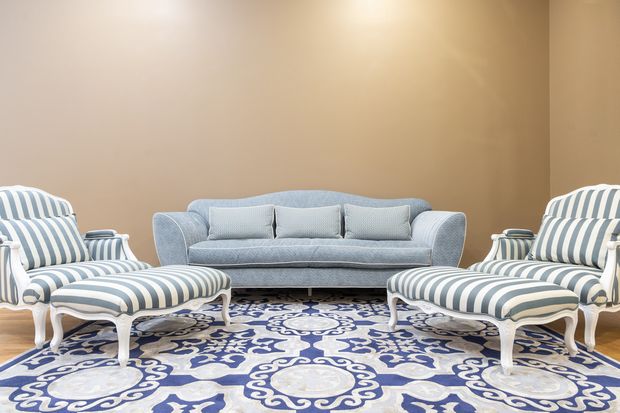
Sofa Springs and Support
The springs are the next consideration. Their quality is a major determinant of the quality of a sofa. Two kinds of springs are generally used in upholstered furniture.
Sinuous wire or no-sag springs are used in chair backs or contract seating with a low profile and where less buoyancy is desired. These are S-shaped steel wires bent into a curved or zigzag format and attached to the frame. Coil springs are helical and cylindrical coils attached to the frame beneath the cushion.
Coil Spring Quality
Coil springs may be connected to each other in various ways, although the most common is the eight-way hand-tied method, wherein the coils are tied to each other at eight points around the top and bottom. High-quality coil springs are made of 8-gauge steel wire. Some manufacturers increase the number or strength of the springs at the edges for a firmer sofa.
A simple quality test is to sit on the sofa seat near the arm. The other end of the cushion should sit securely in place without popping up. There should also be substantial support to avoid the sensation of sinking in, no matter how soft the cushions are designed. The springs and cushions should be completely silent, with no squeaking sounds.
Sofa Cushions and Filling
Sofas and chairs are measured in seats, which is a single standard-sized cushion or its equivalent. For longer seat cushions, the number of seats is determined by length. For example, a 5-foot loveseat is two seats, a 6- or 7-foot sofa is three seats, and so on. A seat is often about 20 inches square, although this size and shape vary according to style.
Near arms, end or long cushions often have a hurricane clip installed so the cushion may be attached to the sofa frame to prevent its popping up. The clips may be detached for repositioning, such as turning over and trading positions of the end cushions for even wear.
Cushion Fill Materials
Inner cushion materials are used in tandem to provide the four characteristics of high-quality cushions: support or firmness, compressibility, resilience, and loft. Support or firmness is necessary at the core of a cushion as a base on which the compressibility and resilience can function. Compressibility allows the ability to sink into a cushion, as it gives with weight.
Resilience is the ability to bounce back or recover from the depression and deformity caused by impact and weight. Cushions are expected to return to their original shape and hold it until further use. This is also referred to as compressional resilience or compressional loft. Loft is the lightness that cushions and pillows must have to be handled, lifted, and managed. One way fiber batting is engineered is by extruding polyester fibers with hollow shafts, which increases loft. A way to increase resilience is to spray resin into the batting.
Coil springs may be at the center of a Marshall unit seat, or spring-down cushion, surrounded by foam and wrapped in Dacron, then inserted into a muslin bag of channeled blendown, which is feathers and down. The springs give the unit support, while the blendown gives a luxurious surface feel.
The most common fillings include a solid or slab foam, fibrous batting, loose particles such as down, and casing materials. Two kinds of foam are used as cushion materials: polyurethane and latex.
Polyurethane foam is formulated and then baked or heated to give loft and buoyancy. It holds shape well for a long period, resists deterioration from aging, and is resistant to moisture deterioration and microbial growth. Latex foam is made from natural or synthetic rubber compounded into a foam slab of specified thickness and then solidified, leaving tiny air pockets or cells. It can be engineered to produce different levels of firmness or softness. When sulfur is added and then heated, stronger chemical cross-links strengthen and stabilize the shape. Latex rubber is a good cushion material for upholstery and for pillows, although it is susceptible to deterioration as it ages.
Solid or slab foam cushions are available in various densities and thicknesses, each of which serves a purpose in the creation of balanced cushioning. A dense foam cushion is less resilient and gives firmer support. A less dense cushion with more air and loft is softer and gives comfort. Solid slab cushions have a disadvantage in often being either too firm or too soft. If the cushion is dense, the edges are somewhat sharp or uncomfortable, and if the cushion is less dense, the cushion does not hold its shape. Therefore, a combination of materials is often preferred.
Sandwiched foam cushions are made of layered foam adhered or laminated together into one unit. This is an economical and efficient use of materials. The cushion center is thick, dense foam, and the outer layers are thinner, less dense, and soft, giving the impression of fiber batting. These cushions are not encased in fabric in economy furniture.
Fiber batting wrapped foam cushions have dense slab foam as a core; this is wrapped with fiber batting. This construction may have a casing, a nonremovable or fully sewn lining cushion cover or case, which keeps the fibers from working loose through the seams, the fabric, or the outer zipper. It also holds the cushion materials in place. The decorative fabric covers this unit.
Fibrous batting is used around foam for seat cushions as described above, and it is frequently used alone as back cushions. The most common type is bonded polyester batting. For cushion filling used alone, batting is engineered to possess two levels of density, the outer layer of finer fibers that are softer, and the lower or inner layer of coarser fiber, which offers better support. Resin is added to enhance resilience.
Cotton felt is a fiber batting used mostly to lay over arms and backs to soften the frame. Other cellulosic fibers used in this way include kapok and jute. However, all these are flammable, so their use is restricted. Curled hair batting is also used in the same way, with disadvantages of odor, mildew, and allergic response. Spanish moss, the parasite that grows on live oak trees, has also been used in the southeastern United States. Of all these materials, polyester fiber batting is predominately used in upholstery cushioning.
Loose particle fillings come from natural and manufactured sources. Down, or undercoat feathers without quills, long a luxury filling material, and feathers, which include quills, are two of the materials that come from waterfowl and nonwaterfowl. As both materials compress but are not resilient, down cushions and pillows require fluffing, re-plumping, or plumping up by hand after each use.
Blendown is a combination of down and feathers; it is often wrapped around a foam core and encased in a muslin bag. Other loose particle fillings include shredded or chopped foam, which has a tendency to clump, and polyester crimped fiberfill. Loose fiberfill is encased in bonded olefin/polypropylene fabric, similar to that used as a scrim on the bottom frame of furniture.
Exposed Parts and Finishes
Exposed arms, legs, and frames of upholstered furniture may be made of wood, metal, plastic, or wicker. There is an impressive variety of wood materials and styles; both hard and softwoods are used and frequently add to the character as well as the strength of the piece. Legs and arms are either attached to the frame or extend from it.
One quality check for strength is to place one hand on each arm, lean one’s weight to a foot placed in front, then push and try to wiggle or skew the chair. The strength and security of the joinery will be evident; give or looseness indicates poor craftsmanship, while a sturdy, unyielding chair will be able to withstand repeated and prolonged use.
Steel is often given a powder coating, a strong and durable coating for contract furniture. Exposed rigid vinyl and thermoset plastic used in contract furniture is also extremely durable and is often used as a finish component over the top of steel inner frame components. These elements are painted or colored prior to extrusion or forming. Wood arms, legs, and trim are stained and finished before upholstering.
Upholstery Fabric Guide
Considerations for contract upholstery fabric may also apply to residential applications with the following guidelines. Color, texture, and pattern must be appropriate for the style of the furniture. However, many sofa and chair styles are versatile in that many types of fabric look equally acceptable, from velvet to leather to cotton tapestry to chenille, for example. One example is the beloved Rococo fauteuil chair, which has been upholstered in nearly every kind of fabric imaginable.
Coordination of upholstery fabric with the interior theme is critical in residential design. And, like contract settings, residential upholstery fabrics should be durable and resist abrasion, pilling, marking, crushing, crocking, and fading.
Durability and Wear
Durability is the ability of a fabric to endure use and time. Although fabric pricing variables can increase the cost of a sofa dramatically, higher price does not necessarily correlate with an increase in durability. In fact, the inverse is often true. Denim, for instance, is a reasonably priced fabric with good durability. Silk, on the other hand, is several times the price of denim and much more fragile. However, silk is a prized upholstery textile for formal settings where furniture receives little use. Upholstery that is exposed to daily wear and tear must be durable.
Abrasion resistance is a key factor in determining durability. Although contract fabrics are tested, residential fabrics generally are not. Hand tests of stretching and bending, as well as scrutinizing the denier, or yarn thickness, are some ways to evaluate fabrics. The ability of a fabric to resist abrasion depends on several factors, including the quality of the fiber, the ply, twist, and size of the yarn, and the density and balance of the weave. Sturdy monofilament yarns are the most difficult to break. Backings and finishes can also affect the way a fabric will wear.
Even though ability to resist abrasion is the factor most people consider first when determining the durability of a fabric, pilling, fading, and soiling are more likely than abrasion to shorten the useful life of the piece. The tighter the fabric is pulled, the more vulnerable it becomes to abrasion. For this reason, upholstered arms and prominent welting or covered cording are areas that wear out first.
Pilling occurs as loose fibers work free, create fuzzing, and, with abrasion, eventually roll into tiny balls or pills, which are unsightly and contribute to surface wear. Fuzzing and pilling occur in wool fabrics but tend to diminish as the fabric wears and the loose fibers break. In some synthetics, pilling may be a problem, as the fabric is so strong that it holds the pills and does not allow them to break away. Pills can sometimes be sheared off carefully with a hand razor or a manual sweater defuzzer. Pilling does not occur in fabrics made of filament yarns, which are one length and do not have short fibers.
Marking can occur in fabrics with pile, such as chenille and velvet, where the weight and rubbing of use push pile down or in a different direction than the original, thus leaving a mark in the fabric. Brushing with a brush or vacuum often encourages pile resiliency. Marking can result in pile loss and permanent abrasion damage.
Fading is most often caused by exposure to direct sunlight over time, although indirect sunlight causes eventual fading. Some colors and fibers are more susceptible to fading. Fading damage, color loss and fiber weakening, is irreversible, although it can be prevented by keeping upholstered pieces out of direct sunlight through thoughtful placement, exterior screening devices, and with the application of interior window film and window treatments, sheers and draw drapery, shades, and blinds. Unwitting exposure to sunlight shortens the aesthetic life of upholstery. As it fades, it loses its appeal and ages the piece visually. Artificial lighting may also cause fading.
Crocking occurs when excess dye rubs off the fabric onto another surface. This can happen under both wet and dry surface conditions. Dry crocking occurs more often with leather and usually only for a short time, although color loss in leather can be a serious fault resulting in diminished visual value of the piece. Wet crocking happens most often in cotton prints, perhaps at a beach house where someone wearing a wet swimsuit might sit on the sofa, for instance.
Dimensional stability is sagging or wrinkling. It is caused by fabrics that stretch but do not recover, occasionally due to humidity changes. It may also be caused by inferior cushion material that breaks down, making the fabric look as though it has stretched or sagged. If the fabric is tufted, buttoned, quilted, or channeled, dimensional stability is increased.
Snagging occurs in upholstery with large or loose yarns or loops that are easily caught and pulled out by rings or buttons, for example. Soiling shortens the life of fabrics literally by abrasion and aesthetically by stains. Regular vacuuming and prompt attention to spots is the best way to prevent permanent soiling. If stains are left unattended, they may change the composition of the dyestuff so the spot remains even after cleaning. Another way of preventing specific area soiling is to rotate, turn, and trade cushion placement so the wear is not always in the same place. When in doubt about the origin of a stain or the way to remove it, it is best to enlist the services of an upholstery maintenance professional.
There is disagreement about the positive and negative effects of soil-repellent finishes, but they do retard absorbency, so soil and stains are less likely to be absorbed into the fabric. These finishes are more effective when they are new; they tend to break with time and age, and the soiling may work under the finish, becoming locked in and perhaps permanent.
Color, Pattern, and Texture
Neutral colors tend to suggest a serene, sophisticated look, but they can become listless. Yet strong patterns on large upholstered pieces have the potential to become tiring. Designers often guide clients toward solid fabrics for sofas, as opposed to patterned fabric, allowing more flexibility in other furnishing elements. Color and pattern can be achieved in window treatments and accessories to change interior design themes seasonally or stylistically where the sofa is a neutral color and textured or subtle pattern.
A drawback of a neutral sofa is that spots and stains are more noticeable than on a patterned sofa, so owners with children or pets may want to consider the practicality of a pattern. Seams are less noticeable in a patterned fabric; the plainer the fabric, the more noticeable the seam. When motifs are matched in a patterned fabric, seams may seem to disappear, to a large degree. Pattern locks in a particular style, whereas textured fabrics with tonal variations may work well with a sequence of interior design styles, hide soiling, and prove to be long-lived.
Upholstery fabrics are generally more durable than fabrics for other installations, such as draperies or decorative table covers. They are meant to be used for six to twelve years, on average, so they are often stronger fabrics by weave or through treatment or backing. With this in mind, two general types of texture are used: a smooth texture and a texture with a deeper relief or pile.
Smoother fabrics, especially those with some sheen, tend to look more formal and restrained and are less prone to snagging. Often, however, smooth fabrics show wear more quickly. Where a smooth fabric is desired but durability is also required, a fiber blend that contains polyester or polyester microfiber, nylon, olefin, or sturdy cotton might be considered.
Leather is another durable texture choice; good-quality leather should be expected to last for fifteen years, as opposed to seven for fabric. Leather requires gentle living, as it can be stained and scratched. Another consideration in selecting upholstery textiles is that the texture or pattern should complement the frame and enhance the line of a piece rather than disguise it. Furniture manufacturers often have guidelines as to which fabrics are suitable for which frames. For example, a heavy, bulky fabric would not be appropriate for a finely detailed piece with welting.
Upper-end residential manufacturers design their furniture to accept most fabrics. As long as it is strong enough to be applied to the frame without harm to the fabric, the customer’s choice will be used. Scale, the overall size of patterns or yarns, should be considered, as should the scale of the entire piece. The fabric scale must relate in a visually pleasing way to other decorative features and patterns. For instance, a large-scale pattern could overwhelm a small, delicate frame, just as a heavy weave would not be appropriate for a small frame.
Tautness, the degree of looseness or tension of the fabric application, should be considered when choosing upholstery fabric. The same fabric may appear very different when used in different ways. For instance, a stripe that appears crisp and straight when pulled tightly over the frame may seem much less defined in a loose, shabby chic application that imitates a slipcover. Also, tightly woven fabric, such as taffeta, may show the pulls at the seams if the fabric is pulled tightly. At the other end of the spectrum, if fabric is loosely applied, wrinkles can be produced. Any degree of sheen will accentuate the wrinkles. Some fabrics relax and wrinkle slightly after several months of use; this cannot be prevented or remedied without reupholstering.
Pleather is a fabric of polyester or vinyl that imitates natural leather, for example, Ultrasuede®. Many pile fabrics, such as velvet and chenille, can mimic the look of suede. Leather, which is discussed separately, is objectionable to clients who perceive its use as cruelty to animals. Many manufactured-fiber textiles appear as leather and may be termed faux leather.
How to Choose the Right Sofa
Sofas, chairs, chaises longues, and ottomans are the largest and most visible seating pieces in a room and should be selected wisely, as the average life of a sofa is ten years. Well-built sofas may be reupholstered and used for many years more. The following considerations apply to the selection of sofas and chairs.
Function is judged by how much use an upholstered piece will receive as compared to other types of seating planned in the room. For example, a three-seat sofa usually holds only two people, as the middle seat is often considered undesirable. The sofa should be the correct scale and style for the room; it should look good to be appealing as seating. The cost of the sofa must be within the budget parameters set for the piece.
The adage “form follows function” applies to sofas. First determine function, then the form will follow. How will the sofa be used, and how much seating is needed? Will it be placed in a casual gathering place for family and friends or in a more formal setting? In a casual family room, comfort is paramount, whereas in a more formal room, comfort may be less important, so firmer and shallower seat dimensions may be selected.
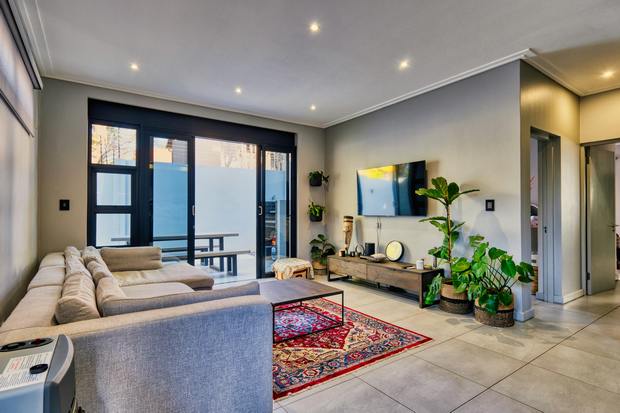
Scale should be determined by the size of the room. A common mistake is selecting a sofa that is too large for the room and seems to dwarf other furnishings. This happens because sofas appear smaller in spacious furniture showrooms. One rule of thumb suggests that the sofa should not take up more than 10 percent of the total floor space. The standard sofa is between 72 and 98 inches long. Know the dimensions of the room, draw it to scale, and place the sofa there, perhaps using a furniture-arranging website. Many furniture retailers’ websites feature a furniture-arranging tool.
Be sure to allow enough room for supporting furnishings such as floor lamps, end tables, a coffee table or sofa table, or other artistic elements such as floor screens or trees. A rolled arm can add up to a foot to the length of the sofa; steer away from this style if the room is small. Another space-saving approach is to select a sofa with a tight back; sofas of this style are usually about 4 inches shallower than those with loose back cushions.
Style in sofa design is affected by features that fit the sofa in a certain design category. Exposed legs tend to look sleek, metal legs give the sofa a European or midcentury Modern flavor, and skirted styles are softer and warmer. A curved back gives a more feminine or genteel appearance.
There are several options for back cushions, each adding definition to the style of the sofa. A traditional look is acquired by using three back cushions; two cushions suggest a more current feel. A contemporary look is achieved when the back cushions are squared at the corners. Loose pillows look the most inviting and casual. If the cushions are attached, they can still offer a great degree of comfort, but the sofa is a degree more formal. More formal still is the sofa with a tight back.
Chair styling, likewise, is critical to the overall theme. Many handsome formal traditional chairs are used extensively in contemporary interiors to add richness, whereas the sleek styles of the Modern era are suitable for high-tech interiors.
Upholstery Fabric Yardage
Upholstery fabric can be applied in either of two directions. Vertical placement is the more traditional method, as patterns generally seem right-side up when placed this way. Seams are inevitable. Horizontal or railroaded fabric application eliminates seams and gives a different appearance to patterned fabrics. It is often used for textured fabrics.
Approximate yardage requirements are as follows: dining chair seats, about 1/4 to 1 yard each chair; small ottomans or footstools, 3 to 5 yards; occasional, wing, club or tub, Lawson or Bergère chairs, 5 to 10 yards; lounge or longue chairs, 6 to 10 yards; loveseats, 6 to 10 yards; 6- to 7-foot sofas, 10 to 14 yards; 8-foot sofas, 14 to 16 yards; and sectional sofas, 16 to 25 yards.
Conclusion
Choosing upholstered furniture is a mix of construction, comfort, style, and practical wear. A strong frame, dependable springs, balanced cushions, and the right fabric all work together over the life of the piece. Scale, function, and yardage should be considered early so the sofa fits the room and the use it will receive. With the right choices, this upholstered furniture buying guide can help a well-built piece remain attractive and useful for years, and even become worth reupholstering later on.