Introduction
Choosing the best upholstery fabrics and leather types can greatly improve the comfort, beauty, and durability of your home. From cotton and silk to wool, man-made fabrics, and leather finishes, each material has its own look, feel, and use. This guide explains the main furnishing fabrics and leather types used in interiors, helping you understand the best upholstery fabrics and leather types for furniture, curtains, cushions, and other home furnishings.
The luxury of a living room mainly depends on how it is furnished and what fabrics have been chosen for it. The fabrics reflect the taste and feelings of the people living in the house and help create the mood of the space. With a wide range of fabrics available in the market, we can easily choose different fabrics for wall treatments, furniture upholstery, window coverings, bed coverings, and cushions, or simply choose one fabric for a more coordinated look.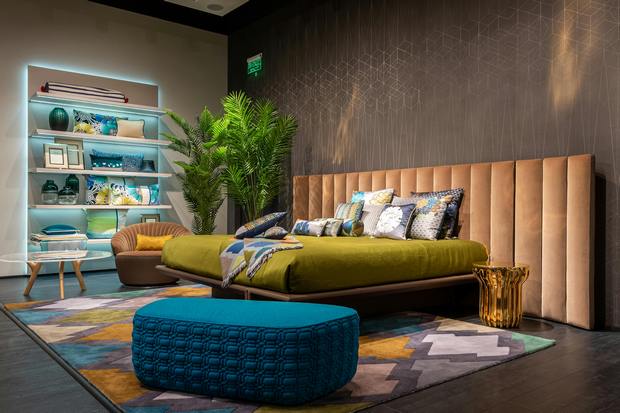
There are many fabrics like cotton, wool, silk, and linings, so we can easily choose the best one to decorate our house in the right way. The main types of furnishing fabrics used in home interior design are explained in this article below.
How to Choose the Best Upholstery Fabrics and Leather Types
Cotton Fabrics
Cotton fabrics are among the most preferred choices because of their quality and soft touch. They are widely used in curtains, cushions, pelmets, upholstery, tiebacks, and many other decorative items. Some of the main cotton fabrics used in interior decoration are as follows:
- Damask: It is a jacquard-weave cotton fabric in which the pattern shows in reverse on the wrong side. This gives it a rich and decorative look.
- Drill: It is a strong twill-weave cotton fabric available in plain or patterned versions. It is useful where strength and durability are needed.
- Velvet: It is a rich-looking cotton fabric with a soft, even pile that gives a smooth and elegant finish.
- Chintz: It is glazed cotton that repels dust and dirt. However, this glazed finish wears off with repeated washing. It is often used in bed drapes where a polished appearance is preferred.
Silk Fabrics
Silk fabrics are also known as sheer fabrics and are often used in elegant home interiors. These fabrics are very versatile but need special care to keep their beauty. Along with upholstery, tiebacks, curtains, and pelmets, silk is also used for window screening. Some of the major silk fabrics used in home interior decoration are:
- Muslin: It is a fine plain-weave cotton or synthetic mix used for window screening and bed drapes because of its light weight.
- Silk Plaid: This is a reversible fabric woven in colored stripes. It is used in tailored curtains and gives a neat, finished look.
- Brocade: It is a silk fabric with a woven background and a raised pattern, often chosen for a formal and decorative style.
- Peking: It is a plain-woven silk fabric with a slight sheen. It is used as lining for sophisticated swags and tails, adding a refined finish to decorative drapes.
Wool Fabrics
Wool fabrics help improve the look of a living room, especially when a warm and classic feel is desired. They are also used in curtains, cushions, and furniture upholstery to give better décor to the room. Some of the mainly used woolen fabrics for home decoration are as follows:
- Mohair: It is a soft plain-weave fabric with a goat’s-hair nap, which gives it a rich and smooth feel.
- Tartan: It originated in Scotland and is a distinctive woven check fabric known for its traditional appearance.
- Rep: It is a ribbed woven fabric and is used in curtains and upholstery because of its firm texture.
- Felt: It is a bonded non-woven fabric that can be cut in any direction without fraying. It is commonly used in curtain edging where neat finishing is important.
Man-Made Fabrics
Many man-made fabrics are also available in the market. These fabrics are popular among people who prefer a modern look for their rooms and want materials that are practical and easy to care for. Some of the man-made fabrics are as follows:
- Polyester: It is a strong and easy-to-care-for fabric made from synthetic fibers. It is widely used in everyday home furnishings.
- Viscose Rayon: It is often combined with other man-made fibers to make it more hard-wearing and durable.
Linings
Linings are another type of fabric used in home furnishing, mainly to support and protect outer fabrics. Some of the lining fabrics are:
- Cotton Sateen: It is a soft cotton fabric with a slight sheen. It is available in a wide range of colors, which makes it easy to match with many interiors.
- Thermal Lining: It is an energy-efficient cotton fabric with a bonded rubberized backing that reflects heat. The rubberized side is the wrong side and will rot if exposed to direct sunlight, so it must be used carefully.
When comparing the best upholstery fabrics and leather types, it is important to consider comfort, maintenance, durability, and the overall look you want for your room. Fabric choice affects not only style but also how well the furnishing performs in daily use.
Leather Types Used in Furniture
The charm of interior design also depends on the quality of the fabrics and materials used for furniture and other accessories. Leather-based furniture is made using different types of leather that are created through different processes. This accounts for the different look, feel, and quality of leather furniture.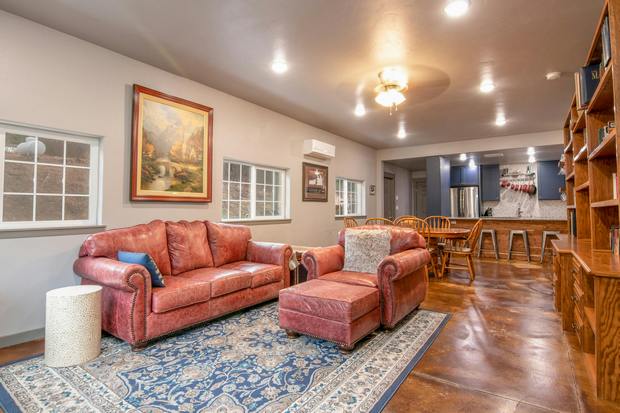
Leather comes from many different sources, some obvious such as cattle, sheep, and pigs, and some less obvious such as stingrays and ostriches. However, it is the way the leather is processed that places it into three main categories: aniline, semi-aniline, and protected or pigmented leather.
Aniline Leather
Aniline leather is highly valued for the way it looks. It is the most natural-looking leather and retains the unique surface characteristics of the hide. Aniline leather is dyed by immersing the hide in a dye bath, and the surface is not coated with any polymers or pigments. Only the best hides are used because all surface marks remain visible, which is why it is also called “naked leather.”
Advantages:
Aniline leather is very soft and comfortable. It retains the unique markings and characteristics of the hide, making each piece different and naturally attractive.
Disadvantages:
Since it is not protected, aniline leather can be stained easily. It is not recommended for young families or very high-traffic areas because it can wear and mark more quickly.
Semi-Aniline Leather
Semi-aniline leather is a little more durable than aniline leather because its surface has been treated with a light coat that contains some pigment. This makes it more resistant to soil and stains while still keeping much of its natural look.
Advantages:
While it retains the uniqueness of aniline leather, semi-aniline leather has more consistent color and is more resistant to stains. It offers a good balance between beauty and practicality.
Disadvantages:
The natural markings are not as visible and are therefore less unique than those of aniline leather.
Protected or Pigmented Leather
Protected leather is the most durable type of leather. For that reason, it is the most commonly used leather in furniture and car upholstery. Protected leather has a polymer surface coating containing pigments, which gives it a more even and controlled finish.
While the thickness of the surface coating may vary, it allows the manufacturer to have more control over the properties of the leather. It is possible to add greater resistance to scuffing or fading, which helps the leather last longer.
Advantages:
This type of leather is easy to maintain and stands up well to different conditions and heavy use. It is a practical choice for busy homes.
Disadvantages:
This type of leather does not have the uniqueness of aniline leather and looks less natural. It can also be hard to tell one kind of grain from another because the surface is coated and embossed.
To choose the best upholstery fabrics and leather types, homeowners should think about where the material will be used, how much daily wear it will face, and how much care it will need over time. A beautiful fabric or leather finish should also be practical for the space.
Conclusion
The best choice of furnishing material depends on your style, comfort needs, and daily use. Cotton, silk, wool, and man-made fabrics each offer different benefits for appearance, care, and durability, while leather types vary in softness, finish, and strength. By understanding the best upholstery fabrics and leather types, you can choose furnishings that improve the beauty of your home and also match your lifestyle, maintenance needs, and budget.
FAQ
1. Which upholstery fabric is best for everyday home use?
Cotton and polyester are often good choices for everyday use because they are comfortable, durable, and relatively easy to maintain.
2. What is the difference between aniline and semi-aniline leather?
Aniline leather has no protective coating and keeps a more natural look, while semi-aniline leather has a light protective layer that improves stain resistance.
3. Which leather type is best for high-traffic areas?
Protected or pigmented leather is the best choice for high-traffic areas because it is the most durable and easiest to maintain.
4. Are silk fabrics good for home interiors?
Yes, silk fabrics are excellent for elegant interiors, especially for curtains and decorative uses, but they need more care than other fabrics.
5. What is thermal lining used for?
Thermal lining is used to reflect heat and improve energy efficiency, making rooms more comfortable and helping support insulation.
References
[1] Babu, V. R., & Sundaresan, S. (2018). Home furnishing. CRC Press.
[2] Kadolph, S. J. (2010). Textiles. Pearson.
[3] Tortora, P. G., & Merkel, R. S. (2014). Fairchild’s Dictionary of Textiles (8th ed.). Bloomsbury.
[4] Binggeli, C. (2016). Materials for Interior Environments. Wiley.
[5] Heidemann, E. (1993). Fundamentals of Leather Manufacturing. Eduard Roether KG.
[6] Covington, A. D. (2009). Tanning Chemistry: The Science of Leather. Royal Society of Chemistry.
[7] Corbman, B. P. (1983). Textiles: Fiber to Fabric. McGraw-Hill.