Introduction
Interior design is often mistaken for surface decoration, a matter of cushions, color palettes, and carefully placed lighting. In reality, it reaches much deeper. The way a room is arranged can influence how people move, rest, work, and even relate to one another. A well planned interior does not happen by chance; it grows out of careful study, measured decisions, and a clear understanding of who will live or work in the space. Design, in this sense, becomes less about appearance alone and more about shaping daily experience.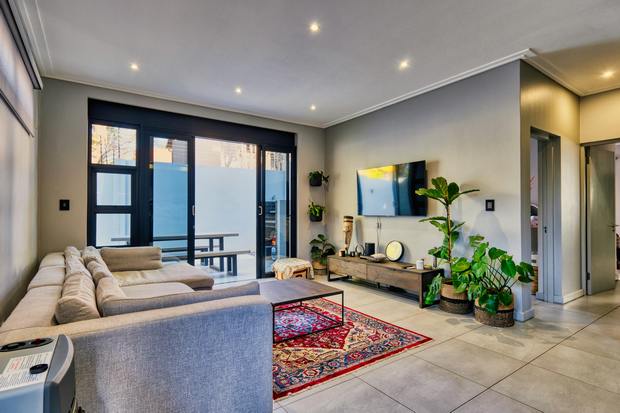
Homes in particular reveal how personal interior design can be. A young family negotiating toys and homework will need something quite different from a retiree seeking calm or a professional carving out a corner office at home. Materials, layout, and lighting choices may appear simple on the surface, yet they quietly determine comfort, efficiency, and long term satisfaction. This article examines both the principles behind interior design and the practical steps homeowners can take, suggesting that thoughtful planning, rather than impulse, is what ultimately turns a house into a place that feels considered and lived in. Interior design and home decor are tools for shaping how people experience their surroundings. In this article, I will explain interior design and home decor and share useful tips for home furnishings.
Interior Design Process: Structure and Purpose
The interior design process follows a systematic and coordinated method that includes research, analysis, and the thoughtful use of design knowledge. Designers study the client’s lifestyle, preferences, space limits, and budget to develop practical and personalized design solutions. The goal is to create an interior space that meets the client’s needs and makes the best use of available resources. These solutions are functional, support daily activities and comfort, improve the quality of life and cultural expression of the occupants, and are visually appealing.
Interior designers create spaces that are functional, safe, and attractive in many types of buildings, including offices, homes, airport terminals, shopping malls, and restaurants. They choose colors, finishes, fabrics, furniture, flooring, wall coverings, lighting, and other materials. They also ensure that layouts meet safety rules, accessibility standards, and building regulations. By combining creativity with technical knowledge, they create interiors that are both practical and stylish.
Home Decoration as Personal Expression
“Decorate home, it gives the illusion; life is more interesting than it really is,” said Charles M. Schulz. Interiors refer to the improvement and planning of residential spaces, including decoration and layout design. Home interiors are a combination of skill, imagination, creativity, effort, money, and time, all carefully balanced to create a comfortable and meaningful living space. A key part of home decoration is personal imagination and ideas, which help turn simple thoughts into a dream home that reflects one’s personality and daily lifestyle.
Designing Homes for Different Lifestyles
Interior design plays an important role in private homes by creating spaces that suit both practical needs and personal taste. Home designs vary widely among individuals and families. Parents with young children, single professionals, and retired couples all have different needs for space, storage, privacy, and comfort, so their homes must be planned accordingly.
For example, furniture in a child’s bedroom should be easy to reach, safe, and designed for the child’s size and activities, with rounded edges, strong materials, and sufficient storage for toys and books. A single professional may use an extra bedroom as a home office or guest room. This dual purpose has become common with hybrid work arrangements, which continue to influence home layouts as more people need flexible and quiet work areas. When planning to build a new house, it is helpful to consult an architect who understands both design and structural planning, including ventilation and natural lighting. Other key factors in home decoration include durability, affordability, and flexibility of materials. Homeowners now consider not only cost and appearance but also sustainability. Many prefer low VOC paints, responsibly sourced wood, recycled finishes, and energy efficient lighting to improve indoor air quality and lower long term energy costs.
Essential Home Decor Tips
1. Planning Before You Begin
When planning a home decorating project, it is important to clearly write down your ideas and goals. Without a plan, the process can become confusing and stressful. You need to consider several details, such as the theme, materials, budget, timeline, and purpose of the space. Deciding suddenly to decorate a room in one day may sound exciting, but without preparation, the results are often disappointing. Careful planning helps avoid mistakes, saves time, and ensures better outcomes.
2. Setting and Managing Your Budget
After listing your ideas, the next step is to review your budget. How much can you afford to spend? Materials and decorative items can be expensive, depending on their quality and brand. If you plan to redecorate your entire home, you should have enough funds, including extra money for unexpected expenses. Budgeting should always be a priority. Large improvements often include hidden costs such as delivery fees, installation charges, or minor repair work. Once you understand your financial limits, you can confidently choose a style or theme.
3. Selecting a Style That Suits Your Lifestyle
There are many styles available, and your choice should match your interests, comfort level, and daily habits. Country style creates warmth and comfort, while modern themes offer a clean and bold look. Since a chosen theme may remain for years, select one that you will enjoy over time and that will not quickly go out of style.
4. Visualizing the Space Before Execution
After choosing a theme, sketch your ideas on paper. Draw a simple layout of the room, including doors, windows, and fixed elements. Arrange furniture on paper before making purchases to avoid costly changes later. Visualizing the space helps you confirm your plan before starting the work. In addition to hand sketches, many people now use digital floor planning tools, 3D visualizers, and augmented reality apps to preview layouts, test colors, and check lighting effects. These tools make planning easier, but final decisions should still be based on practical judgment and comfort.
5. Encouraging Creativity and Personal Touch
At this stage, allow room for creativity. Imagination is one of the most valuable tools in decorating. If you decide to try terracotta instead of beige, consider how it fits with the overall theme and lighting. Sometimes unexpected choices add character and personality to a space. Since it is your home, your informed judgment should guide the final decision.
6. Seeking Inspiration and Professional Guidance
Helpful decorating advice can be found in magazines, books, television programs, and online resources. Digital platforms such as visual search tools, design communities, AI-based planning apps, and professional services like Houzz Pro help users gather ideas, compare materials, and estimate costs. However, the large amount of online content makes careful selection important so that trends do not replace practicality or personal taste. If you feel uncertain, consulting a professional designer can provide clarity and confidence. Decorating your home should be enjoyable and rewarding. Above all, enjoy the process and treat it as a learning experience.
Follow Some Ideas of Interior Design & Home Decor to Achieve the Best Possible Results
a) Align Design with Personal Preference
The design of your home depends mainly on your taste and preference. Each person’s choices are influenced by lifestyle and background. Some prefer traditional styles, while others favor modern or contemporary designs. Comparing options based on price, usefulness, maintenance, and long term value will help you choose wisely.
b) Balance Function and Appearance
Before implementing your ideas, check the function and appearance of the selected materials or furniture. Review samples, test finishes, and seek professional advice if needed. Interior design can be costly and is not done often, so careful planning is essential. Your spending should match your budget, but the final result should provide lasting comfort and satisfaction.
c) Embrace Contemporary and Sustainable Trends
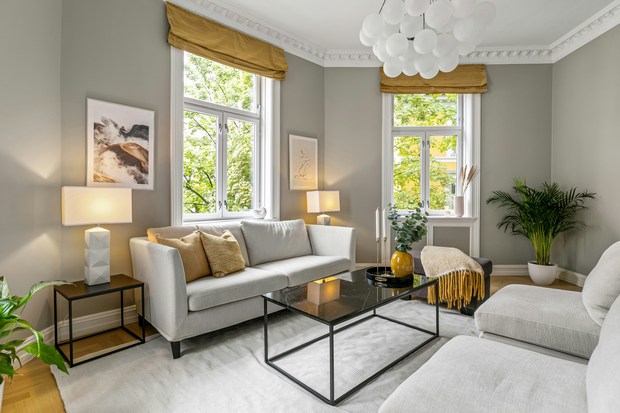
Contemporary designs are widely used today because they combine simplicity with comfort. Many homeowners also include biophilic elements such as indoor plants and natural light, flexible layouts, wellness focused features, and subtle smart technology like automated lighting and temperature control. Warm minimalism, with soft tones and natural textures, is preferred over overly plain designs. These approaches balance comfort, function, and environmental awareness while supporting smooth daily activities.
d) Enhancing Small Spaces
To make a small space look larger, use light colors on walls, furniture, and floors because they reflect more light. Darker shades can create a cozy and intimate feeling when used carefully. Layered lighting, mirrors, and appropriately sized furniture also help improve the sense of space.
e) Optimizing Doors and Windows
Doors and windows should not be overlooked. They provide light, airflow, and security, and strongly influence the home’s appearance. Energy efficient glass, proper insulation, and automated blinds are increasingly used to improve comfort and reduce energy costs.
f) Maximizing Function with Multi Purpose Furniture
Choose multi purpose furniture to manage limited space. For example, a chest of drawers can serve as a dressing table, and wardrobes can include extra racks for accessories. Modular furniture such as wall beds with desks, expandable tables, storage seating, and built in charging ports is popular in compact homes where flexibility is important.
g) Prioritizing Practical and Intentional Living
Design your home with practicality in mind. The wide range of products available can lead to unnecessary purchases. The more items you add, the more maintenance they require. Although minimalist design is popular, functionality should always come first. Today, minimalism often means intentional living, focusing on durability, reduced waste, and long term use rather than temporary trends. After all, your home should feel comfortable and personal, not like a display of passing fashion styles.
Conclusion
Interior design, when approached carefully, appears to be less about trends and more about alignment. The most satisfying spaces reflect the habits, constraints, and aspirations of those who occupy them. Budget planning, thoughtful material selection, sustainable practices, and intelligent space management shape how comfortably a home functions over time. Even modest adjustments, such as introducing lighter tones in a compact room or selecting multi purpose furniture, may significantly affect daily comfort.
Yet design cannot be reduced entirely to guidelines or software simulations. Personal risk and interpretation remain part of the process. A particular shade of paint or an unconventional layout may succeed precisely because it expresses individual preference rather than prevailing fashion.
In the end, effective planning in Interior design and home decor balances structure with intuition. It demands planning, patience, and self awareness. A well designed home does not strive to resemble a showroom. It works quietly, supports everyday life, and feels right to the people who live within its walls.
You may also like: Textile Aesthetics in Interior Design: Color, Pattern & Texture
References
[1] Babu, V. R., & Sundaresan, S. (2018). Home furnishing. CRC Press.
[2] Kilmer, R., & Kilmer, W. O. (2014). Designing Interiors (2nd ed.). John Wiley & Sons.
[3] Piotrowski, C. M. (2016). Professional Practice for Interior Designers (6th ed.). John Wiley & Sons.
[4] Pile, J. F., & Gura, J. (2013). A History of Interior Design (4th ed.). John Wiley & Sons.
[5] Brooker, G., & Stone, S. (2018). Form and Structure in Interior Architecture. Bloomsbury Visual Arts.
[6] Lawson, B. (2006). How Designers Think: The Design Process Demystified (4th ed.). Architectural Press.
[7] Panero, J., & Zelnik, M. (1979). Human Dimension and Interior Space: A Source Book of Design Reference Standards. Whitney Library of Design.
[8] United States Green Building Council (USGBC). (2021). LEED v4.1 Interior Design and Construction Reference Guide. USGBC.
[9] Kopec, D. (2018). Environmental Psychology for Design (3rd ed.). Fairchild Books.
[10] Binggeli, C. (2016). Building Systems for Interior Designers (3rd ed.). John Wiley & Sons.
[11] Ballast, D. K. (2020). Interior Design Reference Manual (7th ed.). Professional Publications, Inc.
[12] Norman, D. A. (2013). The Design of Everyday Things (Revised ed.). Basic Books.
[13] Ching, F. D. K., & Binggeli, C. (2018). Interior Design Illustrated (4th ed.). John Wiley & Sons.