Introduction
A room can change character quickly when furniture is covered in the right fabric. Slipcovers have long served that purpose, adding style, protecting upholstery, and giving a softer visual finish to furniture that is not upholstered. They also make it possible to update color, seasonality, and mood without the time and expense of reupholstering. It has often been said that slipcovers are to furniture what clothing is to the body, coverings for protection and style.
What Is a Slipcover?
A slipcover is a temporary or permanent fabric covering that fits over upholstered or nonupholstered furniture. Slipcovers are specified to enhance an interior design scheme, bring style and character to a room, protect and prolong the life of the upholstery they cover, and give tactile and visual softness to furniture that is not upholstered. In practice, they offer a useful balance of decoration and function, which is one reason they have remained popular for so long.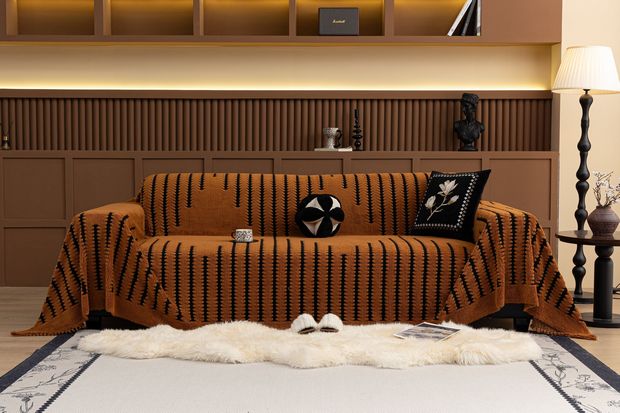
Slipcovers Through History
Slipcovers have been used since the European medieval period and became more important during the formal traditional period. They originally were very simple and often used as loosely fitted dustcovers for fine furniture in rooms that were little used. When a guest room, a spare room, or an entire estate wing of rooms was unoccupied for long periods, everything of value was covered in white muslin or lightweight canvas dustcovers. These were plain lengths of fabric, similar to bedsheets, but they often were sewn to approximately fit each furniture piece. When the cotton muslin type cover was removed, the wooden or fabric furniture piece showed little or no aging that would otherwise have been caused by UV light fading, humidity changes, dust, grime or soiling, insects, or vermin. Such dustcovers protected precious fabrics and thus extended their useful life.
By the eighteenth century, wealthy homeowners in England were using custom tailored slipcovers fabricated as seasonal furnishing items. Lightweight plain or twill weaves in solid or printed designs, made of cotton, linen, or union cloth, were preferred. These types of fabric absorbed moisture and were breathable, so users felt cooler and more comfortable during summer. Slipcovers have long been used to protect formal dining room chair seats, which were upholstered in precious and costly fabrics.
In the formal traditional period, slipcovers were used as decorative and practical elements in many kinds of rooms. They covered sofas and settees, wing chairs, and wood exposed armchairs and benches, for example. Matching or coordinating fabric was used for window treatments, table covers, linens, and accessories. Attention to detail became a hallmark of English slipcovers during the formal traditional period, when accents were referred to as dressmaker detailing. Slipcovers were custom fabricated by tailors and seamstresses, like clothing. Details such as piping, welting, cording, ties and bows, covered or contrasting buttons, tiny French pleats, box pleats, banding, and ruffles were examples of artistic craftsmanship found in custom slipcovers.
In France, the chateaux likewise benefited from the fashion for slipcovers. Decorators often drenched boudoirs in the beloved monochromatic toile de Jouy fabrics by utilizing a single fabric for window, wall, and ceiling treatments, shirred closet or armoire door inserts, bed linens, upholstery, table covers, pillows, and, of course, slipcovers.
Toward the Victorian era, it became fashionably acceptable for slipcovers to be somewhat loosely fitted, what we call today shabby chic. This meant the fabric was slightly larger than the furniture and perhaps wrinkled and touching the floor. Slipcovers made of linen or union cloth tended to stretch with summer heat and humidity and to shrink with the dry interior air of winter. This alternating stretch and shrink process resulted in slipcovers becoming uneven and slightly out of shape. It was only practical that this problem should be solved by altering slipcover fashion from tight and perfect to loose and forgiving.
Immigrants brought the slipcover trade to the United States, and by the nineteenth century, tailors were making custom slipcovers for America’s upper class. Much like today, their procedure was to go into fine homes, cut and fit the right amount of fabric, shape the cut pattern to match the furniture item, mark seams with chalk and pins, then take the cut fabric back to a shop to sew into the finished product. This tailoring process resulted in individual coverings known as loose covers, case covers, or dustcovers. In the nineteenth century, slipcovers were common in all households. In both the United States and Europe, slipcovers of floral printed cotton or linen were popular for use as decorative coverings and to protect upholstery from dirt and sunlight. It was common to use cool, comfortable slipcovers in the warm months, and then remove and store them during the cold months, when the heavier upholstery fabric was warmer and cozier than the slipcovers.
Why Slipcovers Are Still Popular
Today, as in eras past, slipcovers are used not only to change the fabric and color of furniture without the time and expense of reupholstering it but also, in many cases, to change the look of the interior design as well. Tailored, contemporary furniture can become ruffled and romantic. Furniture with traditional box pleated skirts can become sleek and modern, while furniture legs can be shown off or hidden. Custom made slipcovers can be designed to fit any interior; they are designed to be removable and are often washable, except where dry clean only fabrics are selected because the right look is more important than ease of maintenance.
Key Benefits of Slipcovering
Slipcovering is an effective way to create a new style without investing in new furniture. It is often more economical than reupholstering and allows flexibility and the opportunity to have something new seasonally, as well as the option to make variations on furniture through the combination of fabrics, even on a single slipcover. Today, interior design users often have comfort, style, and function as priorities. Change is in the air, and creating new looks instantly is a trend made popular through home improvement and decorating television shows. Slipcovers allow designers to develop creative and unique fabric combinations not only through color, pattern, and texture but also through style, form, and shape. Slipcovers provide an affordable and quick way to change the look of nearly any room. Washable slipcovers are good choices for families with pets or small children, as they are removable and can be cleaned easily. Most slipcovers are machine washable and extremely functional. For budget minded clients, slipcovers can cover secondhand furniture.
Drawbacks to Keep in Mind
Although slipcovers have many advantages and provide numerous options for change in interiors, they have disadvantages that must be considered as well. Slipcovers may shift out of place, depending on the type of use they receive. Adjusting or retucking fabric that works loose can be a regular chore. Slipcovers obscure furniture details and give the piece a simpler appearance, perhaps losing detail and form.
When Should You Use a Slipcover?
The goals of an interior may fit with the concept of slipcovers. It is important to keep in mind the advantages and disadvantages of slipcovering when deciding whether it is best for an interior.
- Condition of the furniture. If a furniture piece is structurally sound or holds sentimental value but the fabric is outdated, slipcovering is a practical consideration. However, if the entire frame and springs need replacement, repair and reupholstery are the better choice.
- Style of the furniture. It is best to slipcover furniture with a separate cushion because less time will be spent pulling and tucking in the fabric after use. Nonetheless, furniture that does not have separate cushions can be made into pillow back style so a solid streamlined look can be made.
- Details of the furniture. Details on decorative or wood furniture are concealed by slipcovering. This may be acceptable if the details are outdated or the slipcover is a seasonal or temporary treatment.
What Furniture Can Be Slipcovered?
Slipcovers often make a dramatic fashion statement. Numerous items can be slipcovered to fit any style and any décor, and the options for detailing or mixing fabrics are restricted only by fabric weight and usefulness. Custom slipcovers can be made for sofas, loveseats, and overstuffed chairs with attached or loose back pillows, club chairs and ottomans, side chairs and armchairs, dining chairs, Parsons chairs, mismatched chairs, folding chairs, wicker furniture, leather furniture, rocking chairs and recliners, piano benches, backless seating pieces, dog and cat beds, and tables.
Custom slipcovers work well with many styles of furnishings. Preferred styles include upscale modern, clean contemporary, American and French country, Asian, retro modern bold and graphic, and Victorian romantic, to name a few. For example, slipcovers featuring floral tea stained fabrics are romantic in Victorian style homes; neutral, textured, or subtle designs of faded or washed colorations on pale backgrounds, with a gathered skirt, are appropriate for the shabby chic look.
Traditional styles utilize straight skirts. Contemporary style varies from having no skirt to a streamlined skirt. Piping is used on many pieces. If the piping contrasts with the fabric, choose either a solid or a small gingham pinstripe, as large scale patterns on piping tend to appear as ineffective splotches of color. Contrasting sashes, buttons, or a mix of fabrics can emphasize detailing; this is often a Victorian or country style choice. Solid colors that contrast within the piece are more in line with contemporary elements. Tiny tucked pleats or French pleats add detail without drawing attention, so the piece becomes more sophisticated and tailored. Fringe and small tassels are also handsome points of detailing.
How to Choose the Right Slipcover Fabric
Slipcover fabric choice is as important as the style selection. Considerations include weight, texture, and color.
Fabric Weight and Texture
Lightweight, malleable fabrics are the best choice for slipcovers. Flexibility is required in order for fabric to drape over the curves of the furniture properly, which means stiff fabric is unsatisfactory. Fabric should also be tightly woven, as loosely woven fabric may snag, tear, or stretch out of shape. Select fabrics that will not slip, because slippery fabrics will repeatedly demand adjustment. The correct weight and hand in selected fabrics is a crucial element in achieving an appropriate and handsome slipcover.
Good choices include lighter weight fabrics that are lightly textured but not bulky, including cotton, linen, or manufactured fibers blended with natural fibers. Textured or printed polyester is excellent for slipcovers. Lightweight jacquard, printed warp sateen, and oxford cloth work well. These fabrics help the slipcover fall nicely over the furniture and allow a tightly fitted, upholstered look to be specified.
Medium to medium heavy fabrics that fall softly and drape well include denim, drill, duck or sailcloth, and lighter weight canvas. These are generally solids, though sometimes they are printed. Damask is a medium heavy fabric that, although it is a bit stiff, yields a traditional tailored or perhaps shabby chic look.
Medium to heavyweight pile fabrics should provide a soft, comfortable appearance and feel. Examples of medium to heavyweight pile fabrics include corduroy, chenille, faux suede, and light velvet. Heavyweight fabrics that are possibilities for simple slipcover applications with less detailed tailoring include tweed, novelty or heavy twill, woven plaids, and tapestry. Keep in mind that most heavyweight fabrics are difficult to tailor; the better choice may be to reupholster. It is wise to select a fabric that can be laundered, unless the client is accepting of a dry clean only fabric.
Color Selection
Slipcovers are often preferred because color becomes an effective element that can be changed as desired. Slipcover colors might blend with existing furnishings, or they may establish a new color scheme.
It is important to understand the room the slipcover will be in. Is it an active room? Will children and pets often be in the room? Will the slipcovers need to be cleaned often? If the answer is yes to any of these questions, then durable fabrics that are inherently stain resistant, such as Crypton, or machine washable fabrics should be specified. White and natural fabrics treated or laundered with detergent and bleach are often suitable for slipcovers. Solid colored fabrics are not demanding and are often selected so other elements can become focal points. Patterns that are subtle in coloration are also relatively comfortable to the eye. Bold colors seen in stripes, high contrast plaids, checks, and floral patterns give vibrancy and life to interiors. As slipcovers are viewed as temporary, color schemes can change with the slipcovers.
Custom Slipcovers: Fit, Fabric, and Cost
A custom made slipcover, otherwise known as a fitted slipcover, imitates upholstery; it is often specified to fit furniture contours perfectly. Custom made back and seat cushion slipcovers are fabricated separately and have zippers for ease of installation and removal. Fitted slipcovers provide many options for decorative skirts and accents such as banding, tabs, buttons, bows, tucks or tiny pleats, skirt pleats or ruffles, or other details. These dressmaker details echo those of the formal traditional slipcovers, still much in demand today.
Fabric Sources
Custom made slipcovers are typically COM. The interior design professional as well as the client have many options for obtaining fabric through trade sources as cut yardage, in retail stores with interior textiles, and online fabric sources. Even high count bedsheets can be used as slipcover material. Keep in mind that quality and correct fiber, yarn, and construction are critical, as the slipcover may receive much use and frequent laundering.
Yardage Guide
Sofas, 6 to 7 feet end to end, require 12 to 15 yards of fabric. If the sofa has loose back cushions, 18 to 20 yards are needed. Loveseats, 4 to 5 feet long, require about 10 yards of fabric, or 12 to 14 yards for loose back cushions. Upholstered or wood framed chairs require approximately 8 yards of fabric, or 9 yards for a pillow back style. Ottomans usually require 2 to 3 yards, depending on size. These are general guidelines. Slipcover seamstresses or tailors who measure the item will give a firm yardage requirement. This can also be done by sending a photo with measurements to the workroom professional. Digital photographs or scanned photographs sent as email attachments will increase the efficiency of this process.
Cost Factors
Cost depends on the size of the furniture and the fabric selected. Some slipcover professionals have standard prices, whereas others choose to go to the consumer’s home and take measurements in order to calculate an estimate. There may be additional charges for estimates, on site measuring, and pickup and delivery.
Finding the Right Workroom or Tailor
Slipcover workroom seamstresses or tailors are specialized fabricators. They may have a large clientele. They usually do not advertise, nor is it necessary, as word of mouth recommendations and repeat business keep them in high demand. Fabric stores and other design professionals may know of slipcover workrooms whose work is excellent. Some may be listed in a local phone book. When making initial phone inquiries, ask for references; contact those customers and inquire about the quality of the slipcover products, on time delivery, and overall professionalism before committing a project to the workroom.
Ready-Made Slipcovers: Sizes, Types, and Fit Tips
Ready made slipcovers are available from mail order catalogs, online, or in department stores in many styles and quality levels. Budget slipcovers may be a disappointing purchase, whereas a high quality ready made slipcover may be quite suitable. The advantages are that they are readily obtainable and affordable. Ready made disadvantages are that they may require a lot of adjusting and pulling in order for the fabric to lie properly. With repeated use, small children, or pets, keeping ready made slipcovers in place is difficult.
Ready-Made Slipcover Categories
Slipcovers are available in the following product types: sofas, upholstered chairs and wing chairs, dining and folding chairs, oversized chairs, stretch slipcovers, futons, daybed slipcovers, and semicustom slipcovers.
Furniture Throws
Furniture throws are unfitted fabric covers that go on and off with little effort. They are easy to place and remove for instant décor change, are appropriate for shabby chic styling, cover unusually shaped furniture, and, like ready made slipcovers, may be laundered and are thus suitable for furniture exposed to soiling, pet hair, or food spills.
Size Guide
Ready made slipcovers are available for chairs, oversized chairs, recliners, loveseats, sofas, sectionals, ottomans, futons, and daybeds. Some slipcovers are made as one piece, with elastics placed so they will fit several types and sizes of furniture. To determine which of these sizes is right for a seating piece, decide how many people can be comfortably seated on the furniture. A one person piece is a chair size, two to three seats requires a loveseat size, and three or more, comfortably seated, is a sofa size. When measuring furniture, simply measure from arm to arm and choose the correct size from the manufacturer.
Furniture Types and Fit Tips
Ready made slipcovers fit most upholstered furniture with arms. Furniture throws fit armless pieces. Some covers fit furniture with T shaped seat cushions and square cushions, high arms and low arms, and overstuffed styles with loose pillows. Sofa slipcovers are generally not manufactured over 8 feet or 96 inches. One piece slipcovers are usually about 114 inches from front hem to back hem, over the front and top and down the back side. Ottoman, or footstool, slipcovers are also available from ready made slipcover companies.
The standard measurements for dining chair covers are as follows: from the top of the chair to the bottom, 41 1/4 inches; seat depth area, 17 inches; from seat to top, 22 inches; front seat width, 18 inches; skirt length, 17 1/2 inches; ties on side, 3 by 33 inches, which tie together in the back. Furniture slipcovers generally do not cover loveseats and sofas with built in recliners and chaises longues. Some recliner covers are available, although they do not fit every style.
Other guidelines for ready made slipcovers include the following. To fit a slipcover to a piece with wooden arms, wrap polyester batting over the arms for padding and secure it with string or Velcro. This will give softness and the fullness required to fit a slipcover. This also applies to slipcovering dining room chairs with a thin or wood back. Draped batting or a folded blanket, for example, over the back will give an upholstered appearance similar to a Parsons chair. Padding backs and seat cushions before slipcovering can also increase dining chair comfort.
Dining room chair slipcovers fit most types of chairs, including Parsons, Chippendale, Queen Anne, Colonial, and ladder back. Measure your chairs to ensure fit. Standard measurements are a maximum height of 41 1/2 inches, seat width of 18 inches, and seat depth 17 inches. Dining room chair covers typically do not fit chairs with arms, such as host and hostess chairs.
It is best to cover leather furniture with foam batting to prevent the cover from sliding on the smooth surface. Slipcovers can be fitted onto standard double or queen sized sofa beds, keeping in mind that the slipcover must be removed before opening the bed, unless the slipcover has a straight skirt design, which will need only to be lifted in order to unfold the mattress. Two piece sectional sofas with arms can be slipcovered by fitting each piece with an appropriate sized slipcover and then tucking excess arm material in the crack where the two pieces come together. Ready made slipcovers can be used over furniture with loose back pillows. Adjustments to the pillows by overlapping them or removing a pillow or two will assist in achieving an acceptable appearance. Loose pillows can be covered individually by pillow covers made by a local fabricator from matching fabric purchased separately. Generally, fabric is available in 3 yard cuts and is not returnable.
Slipcovers fit camelback furniture that falls within standard measurements. The measurement from the front of the sofa on the floor, over the seat, up and over the back, and down to the floor again should be 114 inches or less at the highest point. Chairs smaller than the standard measurement of 32 inches may still be able to utilize a ready made slipcover if the cover is securely tucked. Again, foam batting to pad arms helps slipcovers fit better. For armless furniture, use throw covers, which are unfitted pieces of fabric without pre sewn arms. Throws can be folded, tucked, and perhaps held with pins to fit armless pieces. Generally, the more a slipcover is tucked, the better it stays in place.
Skirt Styles
Two kinds of skirt styles are typical for slipcovers: a straight skirt and an elastic or elasticized skirt. A straight skirt design is a more tailored style, appropriate for contemporary interiors. These are usually characterized by ties at each corner that assure a better fit and add detailing. The elasticized skirt is slightly gathered, giving a classic ruffled appearance that is appropriate for casual and formal prints and some solids.
Installation Tips
Install ready made slipcovers by laying the piece over the furniture and then tucking it in place as necessary. Using a wooden spatula or spoon to tuck in excess fabric will do a smooth job and save irritation or injury to fingers. Tuck the fabric deep into the crease where the arm meets the back of the furniture and down where the arm meets the seat cushion. If the piece is wrinkled from the package, fluff it in the clothes dryer. Ready made slipcovers are machine washable.
Slipcovers for Contract and Commercial Settings
Slipcovers specified for contract or nonresidential installations must be fabricated from textiles that have been tested to meet the codes for the particular interior. These may include flammability standards, microbial specifications, fading, and durability standards. Proof of fabric treatment must be provided to the client by the design professional, who obtains it from the fabric finisher or fabric jobber or supplier. As contract settings often receive high use, slipcovers may be unsuitable, as they are considered less durable and require more hands on maintenance.
Conclusion
Slipcovers remain a useful choice when furniture is sound, the fabric needs renewal, or a room needs a fast visual change. Their success depends on the right fabric, the right fit, and the right level of detailing for the style of the room. Ready made options, custom workrooms, and furniture throws all serve different needs, while contract settings demand extra care. As interior needs continue to shift, slipcovers will keep offering a practical bridge between protection, comfort, and style.