Introduction
When people set up a bedroom, the choice of bed sheets can shape both comfort and appearance. Mattresses are usually covered with fitted or flat sheets, and the flat sheet is often placed between the fitted sheet and the blanket or comforter. In many places, a second flat bed sheet is laid on top of the sheet covering the mattress. Bed sheets are sold in matching or contrasting pairs, and they are also sold individually so consumers can design their sleeping environment. They come in different styles, sizes and fabrics, and each type can offer a different level of comfort and benefit to the user. Whether you are shopping for the first time or replacing an old set, this bed sheets buying guide will walk you through the fabrics, thread counts and care routines that matter most.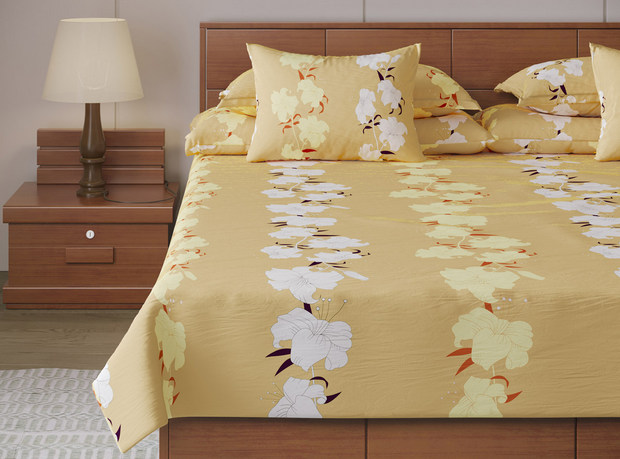
Types of Bed Sheets
Bed sheets come in several styles, and the main difference is usually the fabric and finish. Some are breathable and soft, some feel luxurious, and some are better for cold weather. Understanding these fabric types is one of the first steps in any bed sheets buying guide.
100% Cotton Sheets
If you live in a tropical country, 100% cotton sheets are usually the best choice. They are breathable, soft and affordable compared with other types of bed sheets.
Pima Cotton and Egyptian Cotton
Pima cotton can be found in the south-western part of the U.S.A., and it is considered among the best when it comes to quality and comfort. Egyptian cotton is known for its strongest and longest cotton fibers, which make it sought-after bed linen. It is also highly comfortable and durable.
Cotton and Polyester Blends
The blend of cotton and polyester bed sheets is relatively wrinkle-free, but it is not as soft as 100% cotton. This type is often chosen for its neat appearance and easier care.
Polyester Sheets
Polyester sheets are definitely wrinkle-free, and they can be colorful too. They absorb dye better than cotton, so you can choose from a variety of colorful bed sheets. On the downside, they are not as breathable or soft as 100% cotton.
Sateen Bed Sheets
Sateen bed sheets are luxurious and feel satiny soft. It is best to use sateen sheets during colder nights, or if you have the air conditioning unit on. Otherwise, they can feel a bit warm.
Percale Bed Sheets
Percale bed sheets are very smooth and have a thread count of about 180. The higher the thread count, the softer the bed sheet gets, but it is also pricier.
Flannel and Jersey Bed Sheets
Flannel bed sheets are brushed cottons. They are perfect for cold nights, as the fleece-like features of flannel can provide warmth and comfort. Jersey bed sheets are cooler than flannel. They are stretchable and provide better breathability than flannel sheets. However, flannel and jersey are not really the best choice if you live in a tropical country.
Choosing the Right Bed Sheets
This section of the bed sheets buying guide covers the factors that matter most before you make a purchase. When choosing the right bed sheets, there are many factors to consider. Durability, comfort and value are some of the most important. In the modern bedding industry, there are no industry standards or legal regulations to measure sheet quality. The old cliché still applies, “You get what you pay for.”
Thread Count
Thread count in bed sheets ranges from 80 to 1200. Most stores sell sheets within the range of 180 to 500 thread counts. A higher thread count does not necessarily mean better quality than a lower thread count. You should not be surprised to find 600-thread-count bed sheets at the same price as 350-thread-count sheets.
Elastic Mattress Anchor Band
Fitted sheets are designed with patented, elastic anchor bands at both the corner pockets and around the perimeter of the fitted sheet. This unique feature allows the fitted sheet to remain securely on any size mattress and provides a smooth sleeping surface.
Pilling
A fabric develops pills when groups of short or broken fibers on the surface of the fabric become tangled together and form a tiny ball. Although pilling may occur through normal use, the following laundering tips can help minimize pilling.
Fabric
The most popular fabric for bed sheets in the U.S.A. is cotton. Be sure to read the fine print on the packaging to determine the percentage of cotton used in the sheets. Some packaging will state “Cotton rich,” but the true percentage of Egyptian, Pima or other types of cotton is small. The remainder of the sheet material is often polyester or other unnatural fibers.
Pocket Depth
To measure your mattress pocket depth, measure from the highest point on the mattress to the bottom edge. Be sure to include the mattress pad and any additional bedding that you may use under your sheets. Check that the pocket depth of your sheets is adequate for the thickness of the mattress.
How to Judge Quality Bed Sheets
We look for three things when choosing quality bed sheets: the cotton, the thread count and the hand.
The Cotton
For the cool, soft feel of good quality bed sheets, they must be 100% cotton. Cotton wicks away moisture, keeping you comfortable and not clammy. The softness you can achieve with high-quality cotton is an addictive luxury your skin will remember. Polyester may wear like iron and never need to be ironed, but your skin knows the difference.
Experts generally classify cottons into four main types with many categories in each type. These classifications are based on appearance and staple length, which may be extra-long, long, medium or short. The longer the staple, the finer the fabric.
90% of the world’s cotton crop is American Upland cotton. This medium to long fiber cotton is grown in most cotton-producing countries. With fibers 7/8” to 11/4” long, it is not suited for “good” sheets. Egyptian cotton, in contrast, is a long staple variety. It has extra-long and fine silky fibers about 11/2” long. Growers in the U.S. have developed Egyptian varieties known as Pima cottons. These are preferable for sheets, both for their silky softness and durability.
The Thread Count
Thread count is the number of threads per square inch, and the higher the thread count, the finer the quality. It takes long fibers of cotton to make strong but thin threads, and it takes these silky thin threads to make high thread-count fabrics. Burlap would be at the other end of the spectrum, with its fat fuzzy threads that you can count with the naked eye.
The highest count made in the U.S. is 310, while European sheets can go much higher. Good quality sheets start at about a 200 thread count. Beware of double-ply, because some manufacturers count a double-ply yarn twice in order to raise the thread count. A high thread-count sheet made from a long staple cotton will increase in softness and luster after a number of washings. A sheet that seems too good to be true may actually become stiffer. A good test is in the hand of the sheet.
The Hand
Cotton variety and thread count are only indicators of good quality bed sheets, but there are many other factors that contribute to a sheet’s quality and feel. Carding and combing clean, straighten and align the fibers while removing any short ones. The type of weave, or more importantly the weaver, also matters. Italians are known for being good weavers. The finish process can involve water, heat or chemicals to achieve different effects on the fabric. The dyeing process used also plays a part. Fabric can be dyed, yarn-dyed, or left unbleached and undyed.
All of these factors affect the “hand,” or the way the sheet feels to the touch. And how those sheets feel against your skin is the whole point, isn’t it?
Care and Maintenance
Always have at least three sets of sheets for every bed in your home, one on the bed, one in the linen closet and one in the laundry. Your sheets will last more than three times as long this way. Remove sheets promptly from the dryer and fold them. If they are already dry, toss them in a damp washcloth and tumble for 10 minutes, then remove them.
Cleaning Instructions
For cotton sheets, machine wash them with like colors in warm water. Tumble dry on a medium heat setting and avoid overloading. Fabric softeners are optional, since cotton will naturally become softer with time and use. For cotton and polyester blends, machine wash and dry them on a warm or permanent press setting.
Washing
Wash in cool or lukewarm water that is less than 104°F. Set the wash cycle on gentle. Use the extra rinse cycle if available. Use less detergent, about half the recommended amount. Avoid using bleach, as it breaks down fabric fibers.
Drying
Dry sheets in the dryer only until they are dry. Avoid over drying. Remove sheets from the dryer promptly and fold them immediately. If sheets have cooled in the dryer and wrinkles have set, tumble them for another 5 to 10 minutes with a washcloth that has been slightly dampened. Remember to wash new sheets, especially dark-colored sheets, before using them to soften them and remove excess surface dyes.
Best Place to Store Sheets
Store sheets in your linen closet or a chest. To deter moths, fill a muslin pouch with dried lavender flowers, rosemary leaves and cedar chips. Also, if you store sheets in a chest, line it with muslin or acid-free paper to prevent the wood from staining the sheets.
Conclusion
Bed sheets are available in fitted or flat styles, and they come in many fabrics, sizes and finishes. Cotton, thread count and the hand of the fabric are the main clues to quality, while pocket depth and care routines help the sheets fit and last well. A practical approach to buying and maintaining sheets usually gives the best balance of comfort, value and durability. This bed sheets buying guide should give you a solid starting point, whether you are chasing softness, durability or simple everyday value. With the right choice and regular care, your next set of sheets can serve the bedroom well for a long time ahead.