Product Development in the Textile Industry
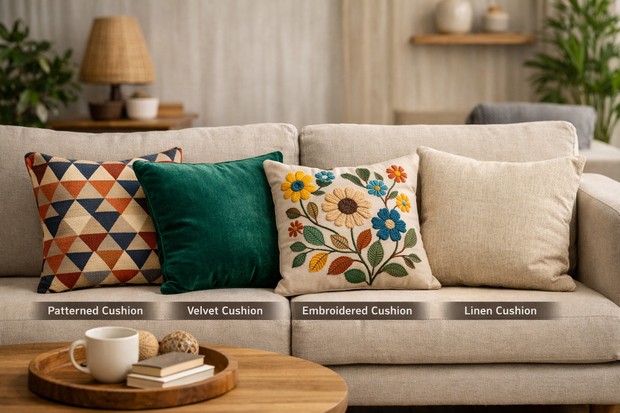
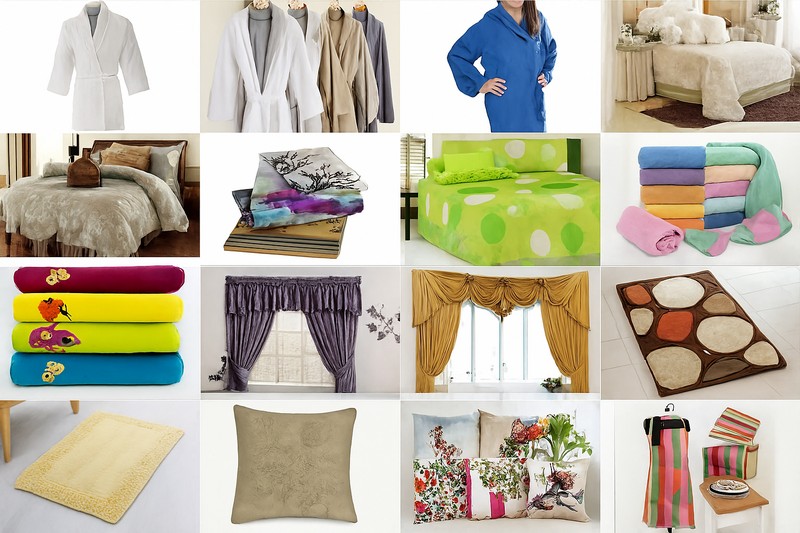
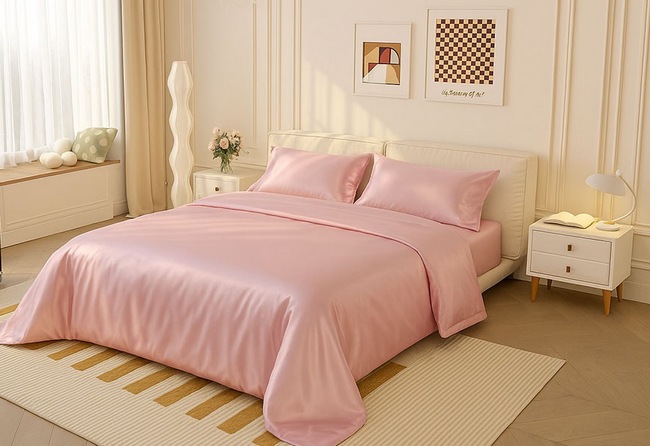
Product development refers to the design and engineering of a product so that it has the desired serviceability characteristics, appeals to the target market, can be made within an acceptable time frame at a reasonable cost, and can be sold at a profit. Product development encompasses a range of activities and differs widely among companies and segments of the global textile complex or value chain, including apparel, home textiles, and interior design textile applications. The product-development process involves many areas of specialized knowledge. This includes knowing which product characteristics appeal to specific target markets and comprehending how to produce the item so that it meets consumers’ needs. Important factors for successful product development include understanding processes, people, and things, including product innovation and management, consumers, and textile materials used in apparel, upholstery fabrics, floor coverings, and decorative interior textiles. The substantial role that the textile complex plays within the global economy, combined with the shorter product life cycle of textiles compared with other consumer and technical products, necessitates the often expensive and time-consuming, yet essential, process of textile product development.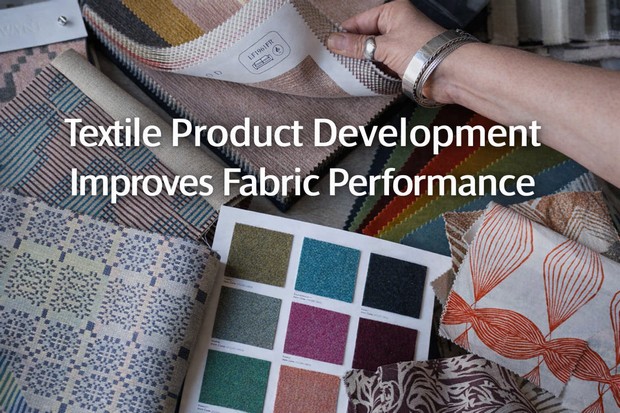
The Role of Textiles in Product Development
Product development allows textile complex firms to recognize and capitalize on opportunities within their market. For example, basic research may lead to new fibers that improve physical comfort through better moisture management, thermal regulation, or softness or allow for greater human achievement in sports, health, or protective applications. Applied research may focus on minimizing environmentally harmful by-products left over from the dyeing and finishing process. New fabric designs and colorways may be created for fashion apparel and interior applications. Some innovations, such as microfibers and other ultrafine fibers, transformed existing product types by enabling blouses with softer drape and hand feel, created new product lines that expanded company markets, and broadened existing product lines, such as tights and hosiery combining regular fibers and microfibers. Other innovations, such as stain-resistant and soil-release finishes, resulted in product improvements that enhanced performance, solved problems such as the cleaning of oily soils, or added perceived value to some products because soil-resistant dress slacks would look new longer. Innovations also solve new problems or meet new market needs, such as smart garments and wearable textiles with physiological monitoring to assess athletes’ training programs or support health monitoring. Understanding textile characteristics and serviceability is essential for product development so that the materials or fabrics used in a product meet consumers’ expectations and needs.
Market Research and Trend Forecasting
To assess target markets and consumer expectations, a firm needs to understand its customers, their shopping preferences, lifestyles, values, and the factors that influence their purchasing decisions. Some firms have specialized market-research divisions that help identify consumer needs and desires. In other firms, product-development specialists, designers, and merchandisers are responsible for identifying consumer expectations, designing the product line, selecting materials, sourcing, and developing purchasing and production specifications. Many firms also work with forecasting companies to support product development. Color and fashion trend forecasting may be done 12 to 24 months in advance, depending on the product category and supply-chain calendar. Some sectors of the market, such as fast-fashion retailers that are able to react quickly to the latest trends, may utilize forecasting firms more frequently and combine forecasts with real-time sales, search, and social-media data.
Forecasting companies and organizations research trends and sell their services to designers, manufacturers, retailers, and sometimes to selected colleges and universities. To forecast color, industry experts examine various reference points, analyze data from around the world, and pay close attention to street trends and consumer segments to identify colors for each season and product type. Color cards are produced for diverse end uses, from residential and contract interiors to packaging, automotive applications, women’s, men’s, and children’s wear, and other markets in which color is an important factor in selling the product. Fashion trend forecast information includes silhouettes, fabric swatches to demonstrate fabric type and texture, color cards, and periodic newsletters or digital updates with current fashion information tailored to specific product categories or markets. The Internet, social and mobile media, globalization, e-commerce analytics, and even the weather influence the way forecasters predict future trends, designers build their color stories and lines for the season, and consumers interact with the latest available goods.
Global Changes in Textile Product Development
Significant changes have occurred in product development within the global textile complex. While Europe and the United States once dominated textile and textile-product production and design, China remains a dominant force in textile manufacturing, while countries such as India, Bangladesh, Vietnam, and Turkey also play major roles in global sourcing and production. Advancements in design from Japan, technology-rich smart fabrics from South Korea and Taiwan, and a developing international fashion industry in India continue to shape product development. Developed countries often invest monetary resources in new technologies, automation, sustainability initiatives, and research, whereas developing nations often offer the advantages of lower labor costs, expanding manufacturing capacity, and natural resources for production.
Denim as an Example of Fabric Development
To illustrate the variables that may be considered in selecting or developing a fabric, denim can be used as a useful example. Denim is a classic fabric with a strong fashion component. Denim is used for such diverse apparel products as jeans, skirts, shorts, jackets, hats, and bags, as well as interior products such as upholstery, wall coverings, and some bed linens. Denim can differ in fiber content from 100% cotton to blends of cotton, polyester, and spandex, and it may also include regenerated or recycled fibers. Denim can be made from new, unused cotton fiber or polyester fiber recycled from beverage bottles and other post-consumer PET sources. The yarns in denim can be made in many sizes by several processes. Denim can be made in many weights, from relatively lightweight fabrics used in shirting to very heavyweight versions used in construction work or rugged workwear. It can be finished to look crisp and new or faded and distressed. Denim can be lightened using chemical bleaching agents, enzymes, laser technologies, or ozone bleaching. Denim can be dyed or printed in a variety of colors or patterns, including the traditional indigo blue as well as a wide range of other colors. All these variations related to fabrics mean that many decisions are made during the product-development process to determine the look and performance of the fabric and the end product. Consumers want their denim, and other apparel products, to be comfortable, aesthetically pleasing, durable, and easy to maintain. Understanding the effects of product-development decisions related to fiber and yarn type, fabric type and weight, and fabric finishes on product serviceability is vital to the product-development team.
Material Selection and Performance Evaluation
When designers, merchandisers, producers, or engineers select one fiber, yarn, or fabric over another, they determine the product’s performance, appearance, appeal, and cost. These decisions also influence the manufacturing facilities, as certain companies may work only with heavyweight fabrics, knits, or wovens because of the type of equipment used, operators’ expertise, production set-up, and quality-control requirements. Factors such as fabric weight, stiffness, hand, texture, yarn structure and process, fiber content, fiber modifications, coloration method, and finishes are considered in the decision-making process. Laboratory analysis, wear tests in which consumers use the product in real or realistic settings, test marketing, and focus-group discussions with sample products help determine a textile’s performance features and market acceptance.
Fabric Exclusivity and Sourcing
Sometimes, design firms negotiate with fabric producers so that some part of the fabric—for example, the color—is exclusive to that firm. Exclusivity means that only one firm can use that color, pattern, or fabric, often for a defined period, market, or customer. Some large retailers or manufacturers control such a significant market share that fabric producers willingly modify their processes to meet the buyer’s preferences or technical specifications. Some fabric firms in the interiors market produce custom-designed fabrics or custom colors. However, many firms are small and must work with fabrics available on the open market.
Fabric Presentation and Assortments
Fabrics and other textiles are presented in a variety of formats so that product developers and designers can observe their appearance and drape, examine the texture and hand, and consider how they would work with an assortment of related fabrics and trims.
Assortment refers to a group of fabrics that share a commonality of design, structure, or color. For example, an assortment could consist of fabrics of the same structure available in a range of colors or one color available in several fabric constructions. Information about a fabric may be limited to its style number as determined by the producer, width, fiber content, weight, or additional information related to yarn size, yarn spinning method, weave structure, and finishes. Information on compliance with flammability or fire-safety standards also may be provided for some interior and apparel fabrics. Fabric information helps product developers determine the fabric’s appropriateness for the product and target market and determine production requirements.
Selecting Fabrics for a Product Line
Designers and product-development specialists examine many fabrics when developing a product line. Designers may be attracted to a specific fabric because of its hand, color, texture, drape, or another factor. However, they also consider their target market and their company’s product line and mission, as well as the cost of the fabric, before selection. In order for their company to make a profit and stay in business, the products must satisfy consumers’ expectations for serviceability and performance, while also meeting sourcing, compliance, and sustainability goals where relevant.
Conclusion
Product development in the textile industry is not limited to designing attractive goods; it involves aligning consumer needs, fabric performance, production capabilities, and market strategy in a coherent and commercially viable way. The selection of fibers, yarns, fabric structures, finishes, and sourcing channels directly influences product quality, functionality, cost, and market appeal. As the global textile industry continues to evolve through technological innovation, sustainability concerns, digital forecasting, and changing consumer preferences, effective product development remains essential for creating competitive, high-performing, and relevant textile products for fashion, home textile, and interior design markets.
References
[1] Kadolph, S. J. (2013). Textiles (11th ed.). Pearson.
[2] Burns, L. D., & Bryant, N. O. (2011). The Business of Fashion: Designing, Manufacturing, and Marketing (5th ed.). Fairchild Books.
[3] Keiser, S. J., & Garner, M. B. (2012). Beyond Design: The Synergy of Apparel Product Development (3rd ed.). Fairchild Books.
[4] Frings, G. S. (2013). Fashion: From Concept to Consumer (10th ed.). Pearson.
[5] Sinclair, R. (Ed.). (2015). Textiles and Fashion: Materials, Design and Technology. Woodhead Publishing.
[6] Tao, X. (Ed.). (2001). Smart Fibres, Fabrics and Clothing. Woodhead Publishing.