Introduction
Textile and apparel testing is a fundamental part of ensuring that garments meet the quality, safety, and performance standards that consumers expect. These tests may be destructive or nondestructive, and they can be performed on raw materials, garment components, or completed products. The most important areas include abrasion, appearance, colorfastness, dimensional stability, safety, strength, and structural properties. Together, these checks support better product quality, more consistent manufacturing, and stronger consumer satisfaction across global markets including apparel, home textiles, carpets, and rugs used in daily living environments.
What Textile Testing Covers
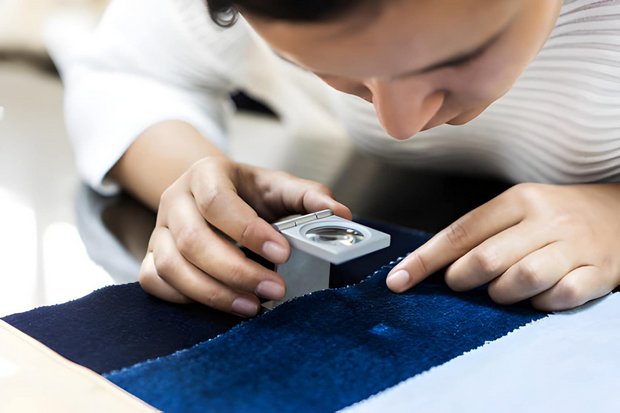
Textile and apparel products are evaluated through two main categories of tests: destructive and nondestructive. Destructive tests require specimens to be cut from the lab sample, whereas nondestructive tests allow measurements to be taken on a material or finished product without causing damage to the product itself. Testing can be completed in a laboratory setting on individual garment component materials, as well as on finished garments that are worn to evaluate performance in relation to end use and wearer expectations as well as household applications such as upholstery fabrics, curtains, carpets, and rugs.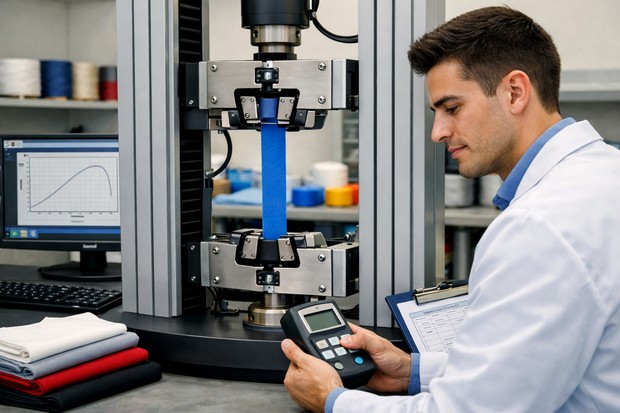
Wear testing allows a designer, manufacturer, or product developer to evaluate the performance of a product in the environment in which the consumer will use it, also known as wear-service conditions under normal use including walking, sitting, and continuous foot traffic in carpets and rugs. ASTM D 3181 Standard Guide for Conducting Wear Tests on Textiles provides specific guidelines for this type of testing.
Abrasion and Surface Durability
Performance features such as aesthetics and functionality are a critical component of whether a customer is satisfied with a product. Aesthetic performance features refer to the appearance or attractiveness of the product. Functional performance features target the durability and usefulness of the product with regard to end-use expectations and repeated wear especially in high-traffic applications like carpets, rugs, and upholstery fabrics. Common tests performed on apparel products evaluate aesthetic or functional performance features as they relate to abrasion, appearance, colorfastness, dimensional stability, safety, strength, and structural properties.
Abrasion testing in textiles
Abrasion is one material rubbing against itself or another surface, and it can affect the appearance and strength of a garment over time as well as cause pile loss, fiber breakage, and surface wear in carpets and rugs. For a deeper look at how abrasion, pilling, and other durability properties are tested on fabrics specifically, see our fabric testing guide covering durability, appearance, and comfort. Two flat fabric surfaces rubbing against each other or against another object cause flat abrasion. When a fabric is repeatedly folded and unfolded, the yarns wear against each other in flex abrasion. Edge abrasion affects the edges of apparel products where the fabric edge rubs against another surface, causing wear. ASTM International and AATCC recommend multiple methods for testing abrasion and wear of textile products under different service conditions.
Abrasion resistance tests
- Accelerator method
- Flex abrasion method
- Inflated diaphragm method
- Martindale method
- Oscillatory cylinder method
- Hex bar method
- Pile fabric abrasion
- Rotary platform, double head method
- Uniform abrasion method
Pilling resistance and surface change tests
- Brush pilling tester
- Elastomeric pad
- Martindale method
- Random tumble
Snagging resistance tests
- Bean bag method
- Mace method
These abrasion test methods and specific procedures can be found in the ASTM International annual book of standards, AATCC technical manual, or ISO standards.
Appearance and Wrinkle Resistance
The overall look and appeal of a garment describes appearance. Appearance retention refers to the ability of a material or garment to maintain its aesthetic look during wear, refurbishment, and storage for as long as possible. Wrinkling is a common problem with textile materials. If a material is wrinkle resistant, it possesses the ability to oppose deformations caused by folding or bending. When fabrics are resilient or have elasticity to bounce back from compression or deformation, they are said to have wrinkle recovery properties. Stiffness is the ability of a fabric to resist bending or flexing.
Appearance tests
- Appearance of fabrics after repeated home laundering
- Appearance of apparel after repeated home laundering
- Wrinkle recovery appearance method
- Wrinkle recovery angle method
Stiffness tests
- Stiffness of fabrics
- Stiffness of nonwoven fabrics cantilever method
- Stiffness of fabric blade slot method
- Stiffness of fabric circular bending method
These appearance test methods and specific procedures can be found in the ASTM International annual book of standards, AATCC technical manual, and ISO standards.
Colorfastness Testing
Color plays a significant role in the aesthetic appearance of textile and apparel products in every market. Colorfastness is the ability of a textile product to resist color change or loss. Color loss or change can occur by transference from another material during wear, refurbishment, or storage, or by exposure to environmental conditions such as light, heat, moisture, and chemicals.
Colorfastness tests include colorfastness to
- Acids and alkali
- Chlorine and hydrogen peroxide bleach
- Burnt gas fumes
- Crocking
- Dye transfer of fabric-to-fabric in storage
- Drycleaning
- Dry heat excluding pressing
- Heat from hot pressing
- Home laundering with activated oxygen bleach detergent
- Laundering
- Light
- Light at high temperatures
- Light and humidity
- Nonchlorine bleach in home laundering
- Oxides of nitrogen in the atmosphere under high humidity
- Ozone in the atmosphere under low humidity
- Ozone in the atmosphere under high humidity
- Perspiration
- Perspiration and light
- Steam pleating
- Sea water
- Sodium hypochlorite bleach in home laundering
- Perchloroethylene solvent spotting
- Water spotting
- Chlorinated pool water
Color change tests include
- Color change due to flat abrasion
- Color measurement of fibers
- Whiteness of textiles
Color evaluation rating scales
Colorfastness test methods and specific procedures can be found in the ASTM International annual book of standards, AATCC technical manual, and ISO standards.
Gray Scale for Evaluating Color Change
Rating scale used to evaluate changes in color composed of five numerical grades of standard gray chips. Each pair of chips provides a visual comparison showing progressive changes in color or contrast corresponding to colorfastness ratings.
Gray Scale for Staining
Rating scale for evaluating inadvertent color transference composed of five numeric grades of standard white and gray chips. Each pair of chips provides a visual comparison showing progressive changes in color or contrast corresponding to colorfastness ratings.
Chromatic Transfer Scale
Rating scale used to evaluate inadvertent color transference composed of five numeric grades consisting of Munsell color chips of red, yellow, green, blue, and purple. Each color is aligned in rows to create vertical gradations (light to dark) for visual comparison of changes in contrast or color. A 9-Step Chromatic Transference Scale contains 60 color chips.
Key colorfastness terms to know
- Crocking is color rub-off due to excess dye on the surface of textile materials.
- Frosting is a white cast appearing on textile surfaces due to loss of color from abrasion and poor dye penetration.
- Staining is unwanted color transfer from one material to another during wear, refurbishment, or storage.
Dimensional Stability
Textile products change dimensions under temperature and humidity. Dimensional change is shrinkage or growth. Shrinkage is loss in length or width. Growth is gain in length or width. Dimensional stability is the ability of a material to retain its shape and dimensions under specific conditions and repeated laundering.
Tests for dimensional stability include
- Dimensional stability of fabrics to changes in humidity and temperature
- Dimensional changes in commercial laundering of woven and knitted fabrics except wool
- Dimensional changes of fabrics after home laundering
- Dimensional changes on drycleaning in perchloroethylene using the machine method
- Dimensional changes of fabrics using the accelerated method
- Appearance of fabrics after repeated launderings
Test methods and procedures can be found in ASTM International standards, AATCC technical manuals, and ISO standards.
Textile Safety Testing
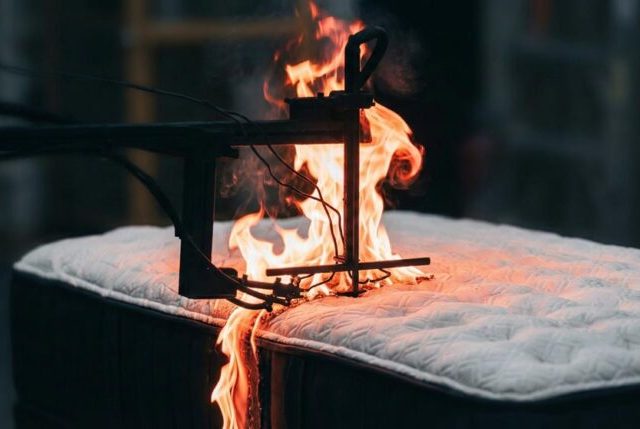
Safety concerns in the textile and apparel industry include flammability, toxicity, and strangulation from drawstrings in children’s apparel and similar consumer risks. Flammable is any textile material that can combust and burn with a flame. Flammability is the property of a textile product that allows ignition and continued burning. The Consumer Products Safety Commission (CPSC) and the Code of Federal Regulations (CFR) provide compliance guidelines for the U.S. market.
Flammability classes for textiles are
- Class 1 — Normal Flammability: Materials taking more than 7 seconds to ignite are permitted for use in wearing apparel.
- Class 2 — Intermediate Flammability: Materials with raised fiber surfaces taking between 4 and 7 seconds to ignite are permitted for use in wearing apparel.
- Class 3 — Rapid and Intense Burning: Materials that ignite in less than 4 seconds and are not permitted for use in wearing apparel.
Materials classified with Class 3 flammability cannot be legally sold in the United States due to their highly flammable nature.
Flammability tests include
- Flame resistance of textiles
- Flammability of apparel/clothing textiles
- Flammability of children’s sleepwear: Sizes 0 to 6x
- Flammability of children’s sleepwear: Sizes 7 to 14
- Flammability of textiles used in children’s sleepwear
Important flammability terms
- Nonflammable: Textile product that burns without a flame.
- Noncombustible: Textile product that will not burn.
- Flame Resistant: Ability of a textile product to extinguish itself after ignition.
- Flame Retardant: Chemical finish applied to textiles to provide flame-resistant properties.
Another safety concern that poses health risks is toxicity, especially when fibers, dyes, or finishes may remain on or near the skin. Certain dyes, fibers, or finishes may be toxic, and some substances are carcinogenic. Individuals with sensitive skin tend to be more affected by wearing apparel made with certain fibers, dyes, or finishes.
Tests used for determining toxicity of textile products for general wearing apparel include
- Identification of textile finishes
- Release of formaldehyde from fabric using the sealed-jar method
- Antibacterial finishes on fabrics
- Transfer of dyes
- Alkali in wet processed textiles
Several specific chemical substances are subject to international bans or restrictions due to documented health risks:
- Certain Azo Dyes: Nitrogen-based synthetic dyestuffs banned in some countries because under certain conditions they produce cancer-causing allergenic aromatic amines.
- Certain Flame Retardants: Chemical finishes banned in some countries due to health risks associated with cancer, thyroid problems, and damage to organs.
- Fluorinated Organic Compounds: Man-made chemical compounds used to provide fabrics with water, oil, and grease resistance are banned in some countries due to health risks associated with absorption into the body where they accumulate in the kidneys, serum, and liver.
- Formaldehyde: Chemical compound that can be used as a binder for dyes and pigments or as part of a wrinkle-free finish formulation that is banned in some countries due to health risks associated with irritation of mucous membranes and the respiratory tract when released into the air.
- Lead: Naturally occurring chemical element used in some garment findings made from metal or plastic that is banned in some countries due to health risks associated with cancer and contact dermatitis.
- Nickel: Naturally occurring chemical element used in some garment findings made from metal that is banned in some countries due to health risks associated with contact dermatitis.
Drawstring safety standards for children’s clothing
The third major safety risk in children’s clothing is strangulation from drawstrings. Some countries have created voluntary standards that prohibit drawstrings from being used in the hoods and necklines of children’s garments designed for ages 18 months to 10 years. These guidelines are an important consideration for any brand manufacturing or importing children’s clothing into regulated markets.
Safety-related test methods and specific procedures can be found in the ASTM International annual book of standards, the AATCC technical manual, and ISO standards.
Fabric Strength Testing
Strength of garment components is important to avoid fabric or seam failure during wear, stretching, or washing. Tensile strength is the force required to break a textile product under tension.
Tensile tests for textiles and wearing apparel include
- Breaking strength
- Tearing strength
- Modulus
- Bursting strength
- Seam strength
- Fabric failure
- Seam slippage
Types of fabric and seam strength tests
- Breaking strength: Force required to break multiple yarns in a textile specimen. Performed on woven and nonwoven fabrics.
- Tearing Strength: Force required for breaking one or a couple of yarns. Performed on woven fabrics.
- Modulus: Directional force applied to examine resistance limit before permanent distortion. Performed on low- and high-power knit fabrics.
- Bursting Strength: Multidirectional force required for rupturing yarns. Performed on woven, knitted, and nonwoven fabrics.
- Seam Strength: Force required for rupturing seam stitching. Can result in seam failure, fabric failure, or seam slippage.
- Fabric Failure: When force applied to the seam of a garment causes the fabric to tear. Fabric failure can occur when the construction of the seam is stronger than the material of the apparel product.
- Seam Slippage: When tension applied to a seam of a garment causes the yarns of the fabric to slide away from the seam.
Testing can provide valuable information regarding the strength of fabrics, seam constructions, and a combination of the two when used in garments for long-term durability.
Strength tests that determine textile performance include
- Breaking strength/force and elongation of fabrics
- Elongation of elastic fabrics
- Stretch properties of textile products
- Stretch properties of knitted textiles
- Stretch properties of woven fabrics with stretch yarns
- Strength of seams
- Tension and elongation of fabrics
- Tension and elongation of elastic fabrics
- Tearing strength of fabrics
Strength test methods and specific procedures can be found in the ASTM International annual book of standards, AATCC technical manuals, and ISO standards.
Structural Property Testing
Fibers, yarns, and fabrics play an important role in apparel production and customer satisfaction of end products and overall quality. Companies conduct testing on fibers, yarns, fabrics, and finished products to ensure consistency of materials throughout development and production, so the end products will meet their customer’s performance expectations more reliably.
Tests to determine structural properties of textile products include
- Bow and skew in woven and knitted fabrics
- Distortion of yarns in woven fabrics
- Fiber analysis
- Fabric density
- Fiber fineness
- Linear density of textile fibers
- Linear density of yarns
- Mass unit area of fabrics
- Thickness of nonwoven fabrics
- Yarn construction
- Yarn number
- Yarn twist
Structural property test methods and specific procedures can be found in the ASTM International annual book of standards, AATCC technical manuals, and ISO standards.
Conclusion
Testing is a critical part of textile and apparel development because it shows how materials behave in wear, laundering, storage, and other end-use conditions across garments as well as home textiles like carpets, rugs, and upholstery. When results are checked against recognized standards, brands can improve quality, reduce failure, and meet safety requirements more confidently. From abrasion and colorfastness to strength, stability, and structural consistency, each test helps protect product performance and customer trust in both clothing and household textile products used daily. In short, careful testing supports garments that look better, last longer, and perform as intended in daily use.