What is SWOT Analysis?
SWOT analysis is a strategic management tool undertaken by an organization to identify its internal strengths and weaknesses as well as its external opportunities and threats in a competitive environment.
The Indian textile and apparel industry has undertaken SWOT analysis to identify the core capabilities, limitations, and global positioning of the industry in India.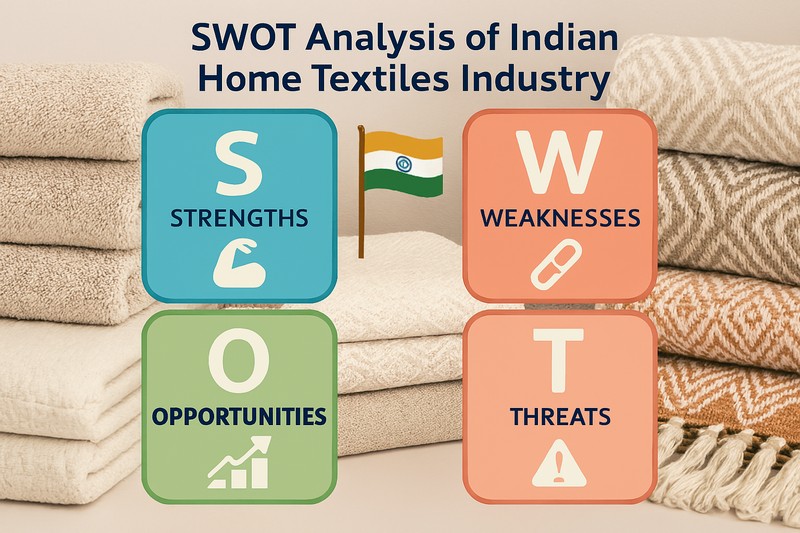
Understanding SWOT analysis is important because it connects technical knowledge with industry strategy. It helps us understand where the Indian home textiles industry stands and where it needs improvement.
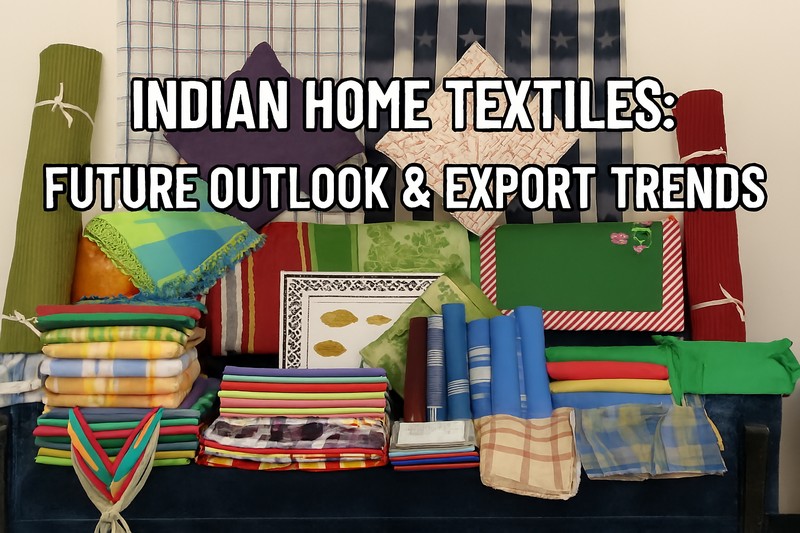
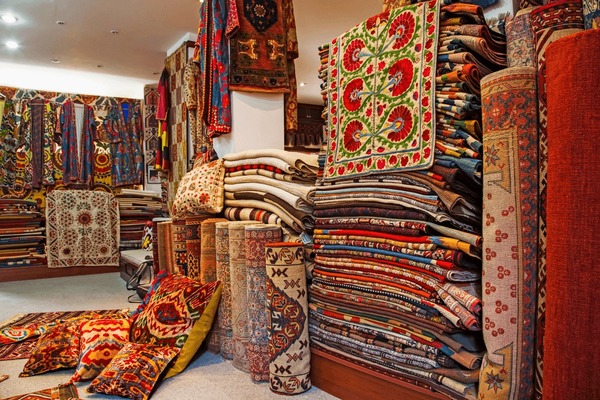
The home textiles sector includes products such as bed sheets, towels, curtains, upholstery fabrics, carpets, rugs, and decorative furnishings.
SWOT Analysis of the Indian Home Textiles Industry
A. Strength
The Indian industry has a very strong multi-fiber base and abundant raw material availability. India ranks as the third largest producer of cotton, second largest producer of silk, fifth largest producer of synthetic fiber, and the largest producer of jute, which provides a strong foundation for the home textiles sector.
i) Entrepreneurship
India has always had very good entrepreneurs, which form the backbone of the Indian textile industry. Having many skilled entrepreneurs, India is able to set up a large number of textile industries, helping in industrial expansion and economic growth of the country.
ii) Traditional
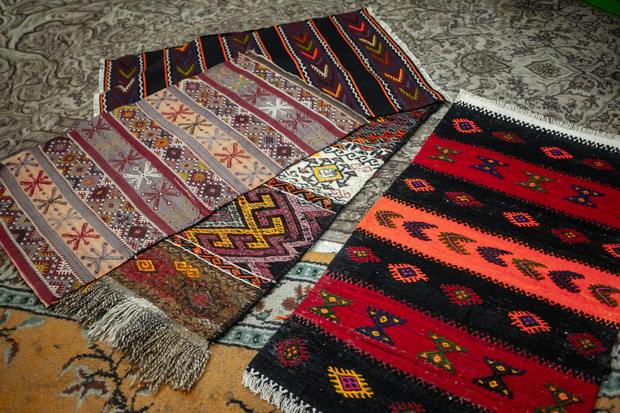
The cultural diversity and rich heritage of the country offer a strong design inspiration base for designers. Traditional weaving, embroidery, and craft techniques contribute to the unique aesthetic value of Indian home textiles.
iii) Labor Availability
The availability of labor is high in our country, and labor cost is comparatively low. This helps to employ a larger workforce, leading to higher production capacity and improving cost competitiveness in global markets.
iv) Market Demand
Natural demand drivers, including rising income levels, increasing urbanization, and growth of the purchasing population, drive domestic demand. The expanding middle-class consumer base supports growth in the home textiles market.
B. Weakness
Even though there are sufficient raw material resources available in our country, the yield of the material is low compared to other countries, and the quality of cotton is lower compared to other parts of the world, especially due to high contamination levels.
Other parts of the world have developed new techniques for improving quality and production efficiency. India is still following certain traditional methods, and there is a lack of technology upgradation and modernization.
Because of the lack of technology upgradation, strict labor laws, and long-term absenteeism, the working efficiency of labor is lower compared with other countries. The skill level of our labor is lower compared with top countries like China and others. These factors result in low productivity and reduced operational efficiency.
For an industry to be successful, there must be proper coordination between the government and the industry, between industry and managers, and between managers and workers. These bodies often have non-identical focus and lack coordinated strategy, which affects overall growth.
Inadequate product diversification in Indian industries is a major weakness. Many industries continue manufacturing the same traditional products and show limited engagement in new product development and innovation.
An inadequate value addition is another weakness. Indian industry does not sufficiently engage in value-added processes such as branding, advanced finishing, and functional treatments, whereas leading countries have separate departments dedicated to value addition.
Inability to meet quality compliances is also a concern. Because of lack of technology, unskilled labor, limited adaptation to advanced machinery, and certain government and company policies, there is difficulty in meeting international quality standards and buyer requirements.
There is inadequate training provided to sewing operatives, resulting in skill gaps and lower production efficiency.
Infrastructure is comparatively weak in India when compared with competitive countries, particularly in terms of transportation, logistics, power supply, and port facilities.
C. Opportunities
- High labor costs abroad create opportunities for India to become a cost-effective manufacturing hub. Global buyers increasingly shift sourcing to countries with competitive production costs.
- Unlimited market access due to globalization opens opportunities in international trade and exports.
- Unrestricted market conditions support expansion into new global markets.
- Shift of production base from West to East benefits India as a major Asian textile producer, can benefit from this global manufacturing transition.
- Growing domestic market supports expansion of home furnishing and lifestyle products. Consumers are increasingly investing in home décor and premium furnishing products.
- Technical textiles innovation offers opportunities in developing functional and high-performance home textiles, such as flame-retardant and antimicrobial fabrics. These products offer higher value and better market positioning.
D. Threat
Global competition is one of the biggest threats. Countries such as China, Bangladesh, Vietnam, and Turkey compete strongly in terms of price, speed, and technology adoption. Other threats are given below:
- Absence of protections under WTO increases global competition pressure.
- Environmental and social issues require compliance with sustainability and ethical production standards.
- Non-tariff barriers such as strict testing and certification requirements restrict smooth export operations.
- SA-8000 standard enforces social accountability compliance.
- ISO-9001 standard requires implementation of a quality management system.
- ISO-14000 standard focuses on environmental management systems.
- OHSAS-18000 standard emphasizes occupational health and safety management.
A comprehensive Indian home textiles industry SWOT analysis clearly shows that while the industry has strong internal capabilities, it must continuously upgrade technology, improve productivity, and adopt sustainable practices to remain globally competitive.
Conclusion
The Indian home textiles industry has strong raw material availability, rich cultural heritage, entrepreneurial support, and growing domestic demand. However, it faces challenges related to technology modernization, productivity, infrastructure, and global competition.
With proper technology upgradation, skill development, innovation, and sustainable practices, the industry can strengthen its global leadership position.
References
[1] Babu, V. R., & Sundaresan, S. (2018). Home furnishing. CRC Press.
[2] Ministry of Textiles. (2023). Annual Report 2022-23. Government of India. https://www.texmin.gov.in/
[3] Textile Commissioner of India. (2022). Compendium of Textile Statistics. Office of the Textile Commissioner, Mumbai.
[4] Kothari, V. K. (2018). Progress in Textiles: Science & Technology. IAFL Publications.
[5] Indian Bio-Economy Report. (2023). Analysis of the Indian Textile Industry and Market Trends. Association of Biotechnology Led Enterprises (ABLE).