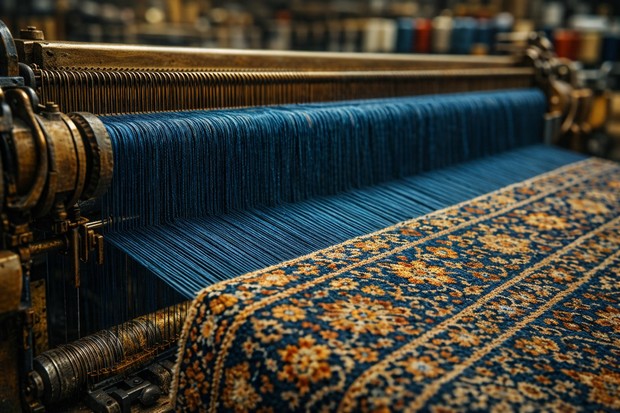
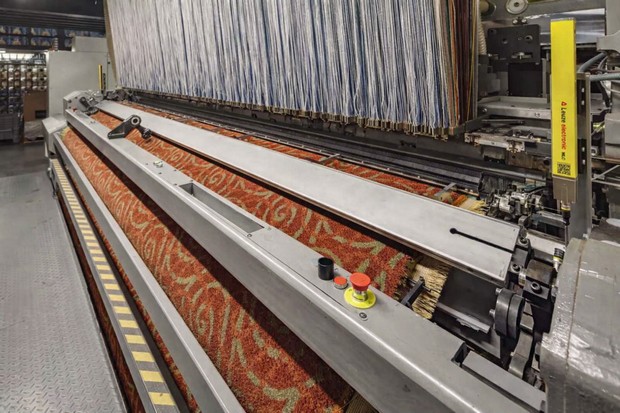
A well-maintained carpet does more than soften a room. It improves comfort underfoot, adds visual warmth, and helps a home feel cleaner and more complete. The challenge is that carpet and rug fibers collect dust, grit, spills, and residue every day, so effective carpet and rug maintenance requires more than an occasional vacuum.
A practical carpet care routine protects both appearance and performance. It also makes stain removal easier, reduces wear in busy areas, and helps rugs last longer before they need professional restoration or replacement. When done consistently, carpet and rug maintenance becomes a simple habit rather than a time-consuming task.
Why Carpet and Rug Maintenance Matters
Carpets and rugs bring warmth, color, and comfort to your home, but everyday wear, spills, and sunlight can quickly dull their appearance if you do not care for them properly. Regular maintenance not only keeps your carpet and rug looking beautiful but also extends their service life and protects your floors.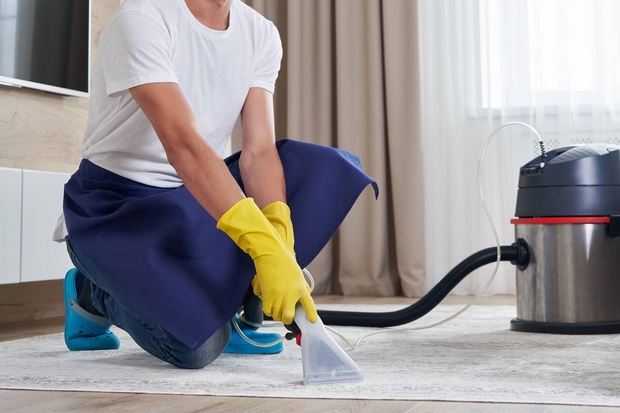
The beauty and life of your carpets and rugs depend on the care they receive. Proper cleaning will keep your carpets and rugs looking great for their full lifetime, help improve your indoor air quality, and keep your carpet and rug warranties intact.
One of the easiest ways to protect carpet is to think of maintenance as prevention first, cleaning second. Entry mats, regular vacuuming, and quick spill response stop a lot of damage before it starts. For area rugs, rotating them every few months can also help reduce uneven fading and traffic wear, especially in rooms that get strong daylight. These small steps form the foundation of a smart carpet and rug maintenance routine.
Maintenance of Carpet and Rug
A customized comprehensive carpet care program consists of five elements:
Before looking at the five steps, it helps to understand the goal of a good maintenance plan. The best carpet care system removes soil at the door, lifts dry debris before it grinds into fibers, and handles spills before they become permanent stains. With that approach, cleaning becomes less reactive and much more effective.
- Soil containment: Isolation of soil entering the building using walk-off mats at entrances.
- Vacuuming: Scheduled frequency for removal of dry soil using a Carpet and Rug Institute-approved “Green Label” vacuum.
- Spot and spill removal system: Using professional spot-removal techniques.
- Interim cleaning: Scheduled appearance cleaning at regular intervals for all traffic areas.
- Restorative cleaning: Scheduled deep cleaning at regular intervals to remove residues and trapped soils.
Each of these steps serves a different purpose. Soil containment keeps outdoor grit from entering the home in the first place. Vacuuming handles the daily buildup. Spot removal protects against sudden accidents. Interim cleaning refreshes the look of traffic lanes. Restorative cleaning goes deeper and helps pull out embedded residue that regular cleaning cannot reach.
Restorative Cleaning Best Practices
Restorative cleaning works best when the carpet is prepared properly and allowed to dry fully. Rushing the process often leaves behind residue, moisture, or re-soiling that shortens the life of the fibers.
- Always vacuum first.
- Apply a pre-conditioner, following the chemical manufacturer’s label instructions, and agitate it into the carpet’s fibers, allowing a dwell time of usually 10 to 15 minutes.
- If using a chemical cleaning agent, it is important to use a rinse system to remove any potential chemical cleaning residue from the carpet yarn that might result in a high rate of re-soiling.
- Provide natural or mechanical ventilation during the cleaning and drying phases of restorative cleaning. Adequate ventilation is necessary to speed drying time. The use of commercial air movers (drying fans), heating, ventilation, and air-conditioning (HVAC) systems, or dehumidifiers greatly reduces drying time.
- Follow directions for mixing solutions carefully. Using a solution stronger than the concentration recommended will not improve cleaning efficiency and may leave behind detergent residue that can lead to accelerated soiling.
- Limit access to damp carpet until it is completely dry to avoid rapid re-soiling.
- Furniture should not be moved back into the room until carpet is completely dry.
These practices are a critical part of deep carpet and rug maintenance, especially for homes with heavy foot traffic.
A few extra habits can make restorative cleaning even more effective. Use clean white towels for testing and blotting so you can see transfer clearly. Keep windows open or fans running if the weather allows. For thicker pile carpet, allow even more drying time because moisture can stay trapped deeper in the backing and padding.
Removing Spots and Stains
Fast action matters most with spills. The longer a liquid sits, the more likely it is to seep into the pile, stain the backing, or leave behind a sticky residue that attracts dirt.
A simple spill kit is worth keeping on hand. White cloths, paper towels, a spray bottle of clean water, and a carpet-safe spot remover can save a lot of frustration when accidents happen. For the best results, blot first and scrub never.
Apply water to the spill first. Especially if the spot is fresh, water may be all that is needed to remove the spill. If water doesn’t remove the spill, proceed as follows:
- Locate the spill on the spot removal chart and follow the directions carefully.
- Pre-test any spot removal agent in an inconspicuous area to make certain the solution will not damage the fiber or the dye. After applying several drops to the testing area, hold a white cloth on the wet area for ten seconds. Examine the carpet and cloth for color transfer, color change, or damage to the carpet. If a change occurs, another cleaning solution must be selected.
- Apply a small amount of the selected cleaning solution to a white cloth and blot. Work from the edges of the spill to the center to prevent the spill from spreading.
- Do not scrub. Blot, absorbing as much as possible, and repeat, if necessary.
- Continue using the first cleaning solution as long as there is visible transfer of the spill to the cloth. It is not necessary to use all of the cleaning solutions if the first solution removes the spill.
- Be patient, as complete removal of the spill may require repeating the same step several times.
- Rinse the affected area thoroughly with clear water after the spill has been removed. Blot with a dry cloth until all of the solution has been removed. Some cleaning solutions will cause rapid soiling if the solution is not completely removed.
- Small extraction machines designed for rinsing after spot-cleaning are an excellent investment. Dry absorbent polymer can also be used to absorb and remove any residue left behind by the spot-cleaning agent.
- Place a one-half-inch layer of white paper towels over the affected area to absorb all the moisture and weigh down with a flat, heavy object that will not transfer color. Continue to change paper towels as needed.
After the area has been blotted and rinsed, let it dry fully before judging the result. Some stains look lighter while damp and become more visible again later if residue remains in the fibers. If that happens, repeat the rinse and blotting process rather than using more force.
When a Stain Needs Professional Help
Some stains are better handled by a professional carpet cleaner, especially if they involve red wine, ink, grease, pet accidents, or anything that has already set deeply into the fibers. Delicate rugs, wool carpets, and antique pieces also benefit from specialized treatment because aggressive spot removal can cause permanent damage.
A professional can also help when a stain keeps returning after drying. That often means residue has reached lower layers of the carpet, where surface cleaning alone is not enough.
Conclusion
Effective carpet and rug maintenance is not about occasional deep cleaning. Carpet and rug care works best when it is consistent, gentle, and proactive. Regular vacuuming, careful spot removal, proper drying, and periodic deep cleaning all help preserve the look and feel of your flooring while supporting a cleaner indoor environment.
If you build these habits into your routine, your carpets and rugs will stay attractive for longer, hold up better in high-traffic areas, and deliver more value over time. A little attention now can prevent bigger problems later, which is why smart maintenance is one of the simplest ways to protect the comfort and beauty of your home.