Introduction
Floor coverings do more than finish a room. They add comfort, style, insulation, and long-term durability. The beauty of a room begins with its floor, since it is the foundation for both comfort and a decorative background. Floors, along with walls and ceilings, form the shell of the room. Next to walls, floors are the largest color area in the home interior, and they are expected to give long service without extensive repair.
Floors are the flat horizontal surfaces meant to be walked upon every day. They bind all the elements of a room together, hold furniture items in place, and provide insulation against the earth’s coolness and darkness. Because floors get the greatest wear and the most dust in a room, their choice and care matter more than many people realize.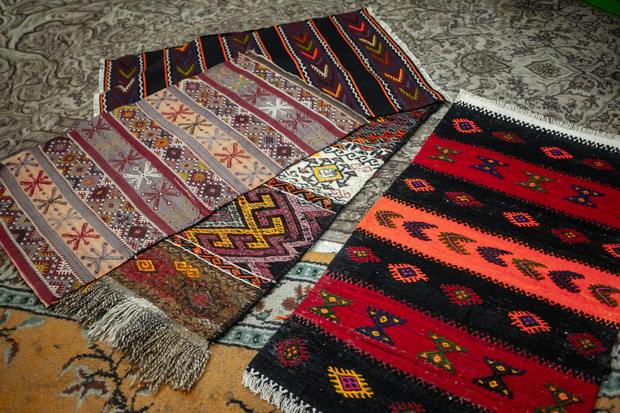
A soft floor covering makes a room more comfortable and gives it a finished appearance. In winter, it is often good to have a carpet or a large rug in all the rooms in the house except the kitchen and the bathroom. However, in summertime, or in warm climates, bare floors may appear clean and cool, while soft floor coverings add warmth, color, and aesthetic appeal.
Floor coverings are commonly grouped into three main types: soft floor coverings, resilient floor coverings, and hard floor coverings.
Types of Floor Coverings
A. Soft Floor Coverings
Soft floor coverings include carpets and rugs. They add warmth, reduce sound, and create a welcoming look. They are especially useful where comfort is a priority, and they can make a room feel quieter and more inviting.
1. Carpet
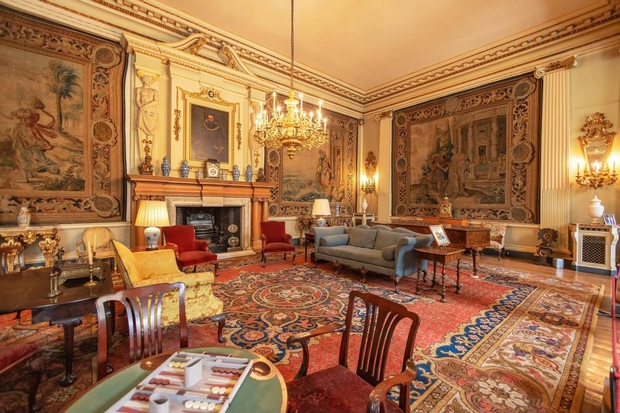
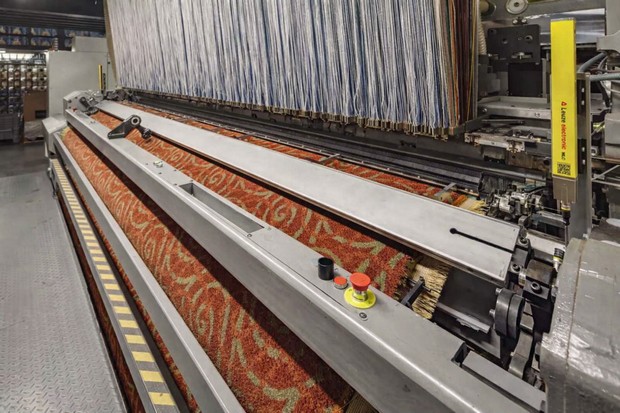
Carpet makes a room more comfortable and gives it a finished appearance. It is especially useful in bedrooms, living rooms, and family spaces where warmth and softness matter. Carpet also helps reduce noise and adds extra insulation underfoot.
You may also like: Carpet Types, Textures and Construction: Complete Guide
2. Rugs
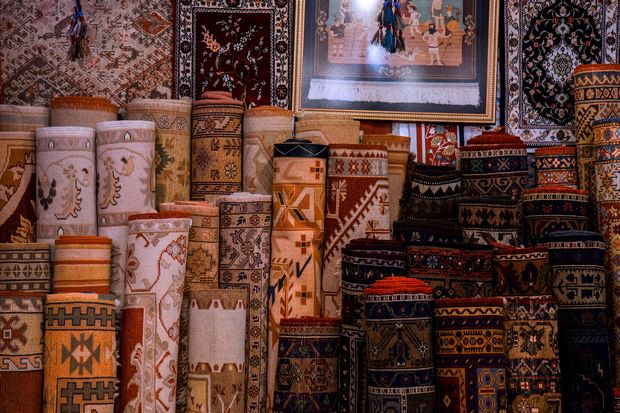
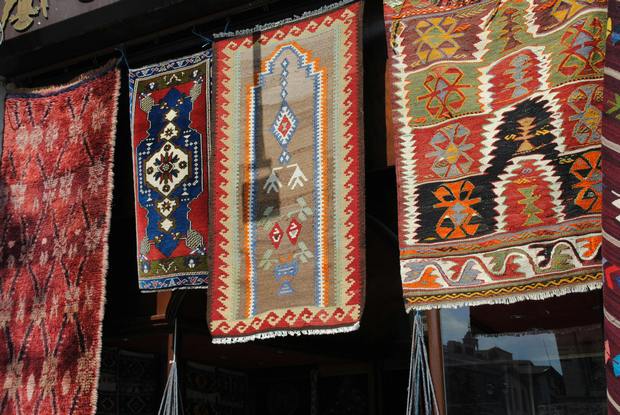
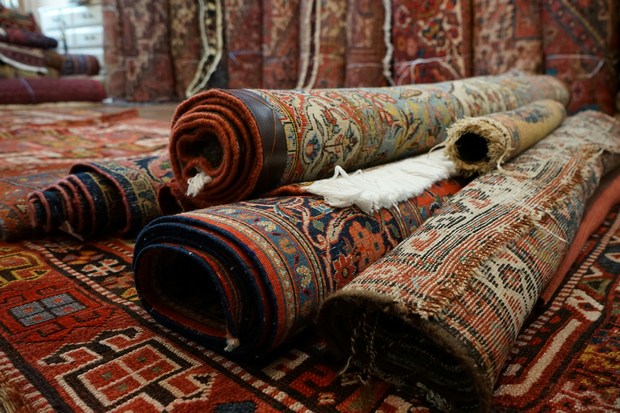
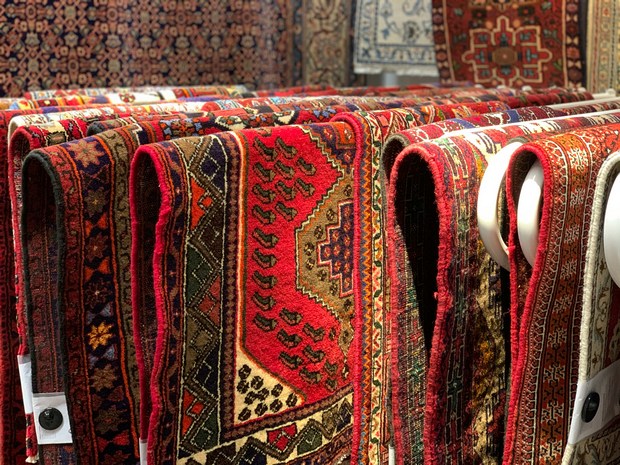
Rugs are useful for adding color or texture without covering the entire floor. They are easy to move, replace, and clean, which makes them a practical choice in many homes. Rugs can also define seating areas and soften hard surfaces.
You may also like: Types of Rugs: Styles, Materials, Origins & Care Guide
B. Resilient Floor Coverings
Resilient flooring is designed to be durable, resistant to stains and water, and comfortable to stand and work on. It comes in a wide range of styles and price points, from very affordable to more expensive luxury options. The most common resilient materials are cork, vinyl, linoleum, and rubber.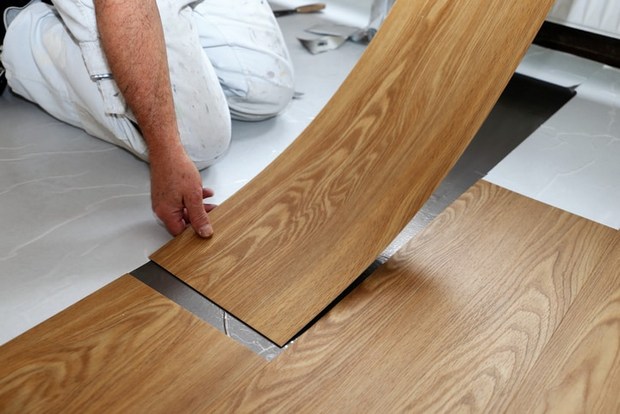
These materials are sturdy and naturally springy, especially when installed over a sprung subfloor. That springiness makes them more comfortable to stand on, which is why resilient flooring is a popular choice for kitchens, hospitals, retail stores, and other spaces where people spend a lot of time on their feet. Another common trait is resistance to stains from food, dirt, and liquids. Many resilient floors also resist scuffing and damage from rolling furniture or furniture that is dragged across the floor.
1. Vinyl Composition Tile
Vinyl composition tile (VCT) is one of the most popular resilient floorings for commercial applications. These tiles come in a variety of colors and grades. They are easy to install and cost-effective. VCT offers good dimensional stability, durability, impact resistance, ultraviolet light stability, and heat stability.
VCT holds floor finish well because of its porous nature, which makes it practical for busy commercial spaces that need regular maintenance.
2. Vinyl Asbestos Tile
Vinyl asbestos tile (VAT) was a common resilient flooring produced from the mid-1950s until the mid-1980s. Much of it was made in smaller square sizes, though a larger size was also available. It has not been produced for health and safety reasons since the mid-1980s. VAT was known for its durability, dimensional stability, and heat resistance, as shown by the amount still found in older buildings.
If VAT is present in an older building, it should be handled carefully and in line with local safety guidance. Being old and porous, it usually requires a coat or two of sealer if it is stripped. On very old floors, high-alkaline strippers are not recommended.
3. Sheet Vinyl
Sheet vinyl is produced in wide sheets that make it easy to install and eliminate seams that can trap dirt and moisture. It is not commonly used in commercial buildings since it sacrifices durability when compared with VCT.
Its composition is similar to VCT but contains more vinyl resin and less limestone filler, giving it greater flexibility. It holds finishes nicely, though it generally needs more maintenance if it is finished. Clean it with neutral detergent.
4. Linoleum
Invented by a British rubber manufacturer in 1860, linoleum is tough, natural ingredient-based flooring that has enjoyed a slight resurgence with homeowners due to its positive environmental profile. It is still used in commercial applications because of its high durability. It is nearly impossible to tell sheet vinyl from linoleum once installed.
This flooring comes in sheets, is easy to install, and is extremely inexpensive. It is typically used in kitchens, hallways, and bathrooms where other flooring products are too costly and hard to maintain. It is installed over a wood subfloor, often with a layer of felt between the floor and the linoleum. Both linoleum tiles and linoleum rolls are making a comeback. Linoleum is biodegradable and non-toxic, as well as affordable.
Linoleum is composed of oxidized linseed oil, powdered cork, and wood flour, pressed into sheets with jute backing. It is water resistant and heat and sound insulating, durable, and flexible. It may be designed to imitate other flooring materials such as wood, slate, and even carpet.
Linoleum cleaning and maintenance have been required for centuries, and it is a tough and natural type of flooring. It is eco-friendly and looks similar to vinyl. Because it is porous, it needs to be properly finished. Avoid strong chemicals when cleaning linoleum, as they can cause fading.
Linoleum has a resilient surface, is water resistant, and offers good heat and sound insulation. It can also be designed to imitate other flooring materials, which adds to its versatility. However, its chemical composition can cause corrosion over time, and it may darken because of its linseed oil content. Ultraviolet rays tend to darken linoleum, and in heavy traffic areas it is subject to abrasion. Heavy furniture can also leave marks.
C. Hard Floor Coverings
1. Tile and Stone Flooring
a) Terrazzo
Terrazzo flooring offers high durability and deep beauty. Its upfront cost is higher than resilient flooring, but when viewed long-term, it can actually be less expensive. The material is a composite of marble, quartz, granite, glass, or other chips mixed with a binder and poured to cover an entire floor or a prepared mold. It then settles, cures, and is polished to form the final surface. Floors of this type are easy to maintain with regular washing and can serve the user for many years.
Portland cement and polyacrylic-modified Portland cement floors hold finish nicely. Some pure epoxy-based floors can be difficult to finish because of their low moisture absorbency and hydrophobic nature. Avoid high-pH cleaners and acid-based products on terrazzo.
b) Unglazed Ceramic and Quarry Tile
Quarry tile provides an attractive floor that is durable and easy to maintain. These tiles are usually red in color and are often used in food service areas.
Unglazed ceramic tiles come in the color of the clay or can be colored with pigment before the clay is fired. Stone tiles are quarried slate, limestone, flagstone, marble, or granite. Unglazed and stone tiles can be installed unfinished or sealed for greater moisture and stain resistance. All tiles are jointed with grout.
Quarry tile can be finished with standard floor care products, although this is not generally advised in food service or other production areas. In hallways, stairwells, or other non-production areas, maintenance is simpler.
c) Glazed Ceramic Tile
Glazed ceramic tile creates a durable surface that is easy to clean, resists stains and scratches, doesn’t fade, and is slip-resistant. Extremely durable, ceramic holds up to pets and high traffic. This type of flooring is expensive to buy and install, but it pays off over time and can increase the value of a home.
Glazed ceramic tiles come in a huge variety of colors and surface textures. They are thicker and less glossy than tiles used for walls and counters. The glaze is water repellent and can be treated so that it has a nonskid surface. Glazed tiles can have glossy, satin, matte, or dull finishes and can range from large squares to tiny mosaic pieces.
Bisque is the term used to denote the body of the clay, with some having white bodies and others red bodies. There is virtually no advantage to one over the other, except that they are chosen to produce a specific visual effect. Some tiles are glazed porcelain, which renders them stronger than typical ceramic tile. Quality is determined by the clarity of the printed design, the artistry involved in the pattern, and the presence of undesirable spots. Prices vary based on the originality of the artistry, the complexity of manufacturing, and the precision of the pieces.
Glazed ceramic tile will not hold floor finish. The surface is too smooth for proper adhesion. Clean with neutral detergent or an all-purpose cleaner.
d) Brick Pavers
Brick pavers are similar to quarry tile but larger in size and thickness. Their composition and maintenance are similar to quarry tile.
e) Mexican Tile
Saltillo tiles are natural clay tiles, hand-made in Mexico. Similar to terracotta tiles, they are rustic by design. The beauty and character of each tile come from variations in size, color, and texture. This style is extremely popular in Mexico and throughout the Southwestern United States.
The high alkalinity and porous nature of this tile necessitate sealing and/or finishing. Clean with neutral detergent.
f) Concrete
Concrete is widely used in commercial buildings and labs. Most concrete floors are covered with another flooring material such as tile, carpeting, or wood, but uncovered concrete floors are gaining popularity in retail stores and other commercial buildings because they provide a low-cost yet highly durable surface. Used in homes, offices, retail settings, and other environments, concrete is easy to install and cost-effective. It may be stained, colored, painted, or left plain. Its popularity comes from easy maintenance, flexible appearance, use as an undersurface for carpet, and its non-allergenic character.
Concrete can be tricky to finish with acrylic-based coatings. High alkalinity, high moisture, grease and oils, and unknown curing compounds and sealants can make finishing difficult. Floors with a history of accepting acrylic floor finishes can generally be finished again.
2. Natural Stone Flooring
a) Marble
Marble is a beautiful floor surface that is not suited for large commercial areas or heavily trafficked areas because of its soft nature, high absorbency, and acid sensitivity.
Penetrating sealers perform best on marble. Acrylic-based finishes can be used, but success is often uneven. Marble should only be cleaned with neutral cleaner, and acid-based products, high-alkaline products, and products with high chelation should be avoided.
b) Slate
Slate is a smooth, soft, natural stone available in a wide variety of textures, colors, and sizes. It offers good durability and stain resistance because of its semi-porous nature.
Slate is generally not finished with acrylic-based products, although they will usually adhere if used. Penetrating sealers can be used if desired and are often recommended for areas exposed to food and liquid spills. Clean with neutral detergent.
c) Granite
Granite is used sparingly in commercial buildings because of its high cost. It is hard, does not easily scratch, and is stain-resistant, making it ideally suited for residential flooring.
Granite’s hard, smooth nature makes it unsuitable for finishing with acrylic-based products. Clean with neutral detergent.
3. Hardwood Flooring
One of the most popular types of flooring, hardwood is also one of the longest lasting. Hardwood is expensive at first, but it increases the value of a home and actually improves with age. It can also be refinished, so if the floor begins to look worn, refinishing can bring it back to its original brilliance.
Hardwood flooring does have some disadvantages. It can be sensitive to humidity and should not be used in bathrooms for that reason. It can also be easily scratched. Pets’ nails, moving furniture around, or walking in stiletto heels can easily damage hardwood floors because they are softer than other materials.
a) Plank Flooring
Planks of wood that have been used before and retrieved for new use come in widths that range from narrow to wide, with the most typical widths being 5 and 6 inches. Plank flooring is often used to create a rustic look in interiors. Installations may be uniform, using the same widths, or random, with a variety of widths. Lengths may also be uniform or random to add interest to the design. Each plank generally features tongue-and-groove sides that interlock to provide a more secure foundation.
b) Strip Flooring
Strip flooring is narrower than planking and can be installed diagonally. It gives a room a clean, orderly look while still keeping the warmth of wood.
c) Parquet Flooring
Parquetry is a collection of wood pieces joined together to create a decorative effect, rather like a mosaic. This method of designing with wood is used for both furniture and parquet flooring. Strictly speaking, all parquet flooring patterns are angular, while the use of curved shapes is parquetry, although this distinction is not usually observed.
Original parquet flooring was made from solid blocks of different wood species, laid in patterns and nailed in place. It became popular because it did not trap moisture and encourage rotting joists the way marble flooring did. Popular woods include oak, walnut, cherry, pine, and maple, while rare woods like mahogany, ebony, and rosewood were sometimes used for special floors.
Common patterns include basket, herringbone, chevron, and brick. Solid parquet flooring is extremely durable and can often be restored when discovered in old houses. Modern parquet flooring is usually a hardwood veneer over a less expensive substrate. The veneer is glued in place and can sometimes be repaired or refinished, but it is relatively fragile.
d) Finishes for Wood Floors
Several different finishes may be applied to wood floors to protect them from harsh treatment. The vast majority are urethanes that remain on the floor’s surface, along with varnishes and combination penetrating stains and waxes.
Oil-modified urethane is a solvent-based product that tends to produce an amber glow over time. Moisture-cured urethane is one of the most durable finishes and is produced as a non-yellowing product with either a satin or glossy finish. While these are excellent surface protectors, they are difficult to apply, and the odor during application can be strong.
Conversion varnish is a durable finish that dries to a light amber color, but it is also difficult to apply. Water-based urethane offers a non-yellowing clear finish and dries in a couple of hours, making it comparatively easy to apply. Penetrating stain and wax is a two-in-one product that provides color and sheen; when set, it leaves a low-gloss satin finish.
Floor Covering Selection Factors
Several practical factors influence the choice of floor covering:
- Economy: The cost of the floor covering matters, but the economy of upkeep is just as important. Maintenance costs are lower when the floor material resists stains and has no cracks or crevices that collect dirt.
- Resilience or cushion impact: This is the degree of springiness with which a carpet returns to its original condition after weight is removed. It reduces floor fatigue, lessens breakage of objects, and is especially helpful for children.
- Warmth: This depends on climatic conditions. Carpets and rugs usually provide warmth to the foot, and middle to dark shades often create a warmer feel.
- Reflection: Floors reflect a lot of light day and night. The more light the floor reflects, the brighter the home will be overall.
- Sound absorption: Rough, porous materials reduce noise, and carpeting helps insulate against sound.
- Safety: Carpets and rugs provide safety from falls and skidding, and in some settings they also improve flame retardancy. Kitchens and bathrooms need special consideration.
- Anti-static: This is the ability of floor coverings to disperse electrostatic charges and prevent a build-up of surface static electricity. Nylon can build up a great deal of static electricity unless an anti-static finish is applied.
- Aesthetics: Floor coverings should harmonize with the furnishings and architecture of the home. Traditional styles such as braided, hooked, and needle-punched rugs can work well in both contemporary and colonial interiors.
- Cleaning aspects: Some floors are sensitive to alkalis, some to water, and others to abrasion. Matching the cleaner to the surface is essential for long-term performance.
Floor Care and Maintenance Tips
Good maintenance starts with prevention. Use walk-off mats at all entrances to absorb soil and moisture, and clean the mats regularly so they do not become sources of dirt themselves. Use a quality pad under carpet, particularly on stairs, because a good pad gives better resilience underfoot and extends carpet life.
Move heavy furniture occasionally to avoid excessive pile crushing. Protect carpet from prolonged direct sunlight with blinds, shades, or awnings. Vacuum thoroughly and frequently, especially in high-traffic areas, to remove dry soil before it works down into the pile. Remove spills and stains promptly, and clean carpet according to the manufacturer’s recommendation. Follow the manufacturer’s guidelines closely and avoid over-wetting, since improper care can reduce dimensional stability.
Carpet and Rugs
Carpets and rugs should be vacuumed regularly, cleaned promptly when stained, and professionally cleaned from time to time. These steps help preserve colorfastness, texture, and appearance.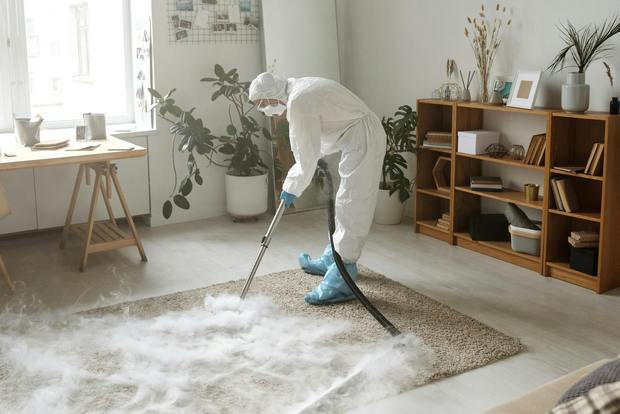
You may also like: Carpet and Rug Maintenance: Expert Tips for Lasting Beauty
Ceramic Tile
Glazed ceramic tile is virtually stain-proof, but unglazed ceramic tile is porous and must be sealed to resist stains. A new unglazed ceramic-tile floor needs a commercial sealer and a water-base wax. Never use harsh abrasive cleaners that might scratch the glaze, and do not clean unglazed tiles with acids, strong soaps, or abrasives. Damp-mop with an all-purpose cleaner and dry with a soft cloth to avoid streaks.
Concrete
Concrete is very porous and soaks up stains quickly. Sealing an indoor cement floor with a commercial sealer will save time in the long run because the sealed floor will need little cleaning. For unsealed concrete, sweep up loose dirt and wash with a strong all-purpose cleaning solution. Garage floors need extra care because they collect oil, grease, litter, and road dirt. Sweeping, using absorbent material, and flushing with clear water are practical ways to keep them manageable.
Linoleum and Vinyl
To shine and resist foot traffic, linoleum must be waxed. Once it is waxed, regular maintenance usually means vacuuming and an occasional damp mop. A cup of vinegar in the mop water can restore shine. Remove heel marks with fine-grade steel wool dipped in liquid floor wax. Avoid solvent-based products, scouring, flooding with water, or very hot water.
No-wax vinyl flooring is easy to maintain. Wipe spills with a sponge dipped in dishwashing liquid, scrub heel marks with a synthetic scouring pad, and wash with an all-purpose cleaning solution. If the floor dries with a film, mop again with water and white vinegar. Do not scour the tile or flood it with water, because moisture can seep into the seams and loosen the adhesive.
Terrazzo and Marble
Terrazzo is durable and commonly used in bathrooms and halls. It is made of marble chips set in cement, then ground and polished after curing. Seal it with a commercial sealer for terrazzo and slate, then apply thin coats of acrylic floor finish and buff when dry. For routine care, a damp mop with clear water, an all-purpose cleaner, or a mild vinegar solution is usually enough.
Marble can be used on floors, countertops, and bathroom walls. Non-polished marble is very porous and must be sealed with a commercial sealer. Polished marble is less porous but can still stain, so sealing is also recommended. Clean marble with neutral cleaner only, and avoid varnish or lacquer, which peels off quickly.
Wood Floors
The product used to seal a wood floor determines how it can be cared for. Varnish, shellac, polyurethane, or lacquer may be used, but only polyurethane requires no further treatment. Water should never be used on wood floors except those treated with polyurethane.
The fastest way to clean lacquered, varnished, or shellacked wood is with a one-step cleaner/polish. The best way to clean a wood floor is slower but gives a long-lasting shine: vacuum, apply a liquid wood-floor cleaner in small sections, let it soak briefly, wipe up the excess, and buff when dry. Use this process in a well-ventilated area because the cleaner is combustible.
Resilient, Cork, and Natural Stone Floors
New resilient rubber floors usually do not need a protection film, but older or high-traffic floors may require one. Structured surfaces should not be coated with polymer dispersions or wax emulsions. Soap cleaners and water-based maintainers are better.
Polyolefin floors can be maintained by sweeping, damp or wet mopping, spray cleaning, and automatic scrubbing. Cork floors can be swept, vacuumed, damp-mopped, spray-cleaned, and polished. Natural stone floors should be cleaned with an alcoholic cleaner or with products designed for porous stone. Slate and similar stones may also be treated with special oils or stone impregnation products that protect against dirt. For rough natural stone, do not rely on a damp mop alone; use the right tool and the right cleaner.
The key is to match the maintenance method to the flooring material, since the wrong cleaner or excess water can cause lasting damage.
Conclusion
Choosing the right floor coverings depends on the room, the budget, the amount of traffic, and how well they coordinate with other home textiles, along with the level of care each material requires. With the right selection and regular maintenance, flooring and home textiles can work together to keep a space attractive, comfortable, and durable for many years.
References
[1] Babu, V. R., & Sundaresan, S. (2018). Home Furnishing (1st ed.). CRC Press.
[2] Binggeli, C. (2013). Materials for Interior Environments (2nd ed.). John Wiley & Sons.
[3] Ching, F. D. K., & Binggeli, C. (2018). Interior Design Illustrated (4th ed.). John Wiley & Sons.
[4] Wilhide, E. (1997). The Flooring Book: The Essential Sourcebook for Planning, Selecting and Restoring Floors. Ryland Peters & Small.
[5] Ortho Books. (1991). Floors and Floor Coverings. Ortho Books.
[6] Seetharaman, P., & Banu, P. (2001). Interior Design and Decoration. CBS Publishers & Distributors.